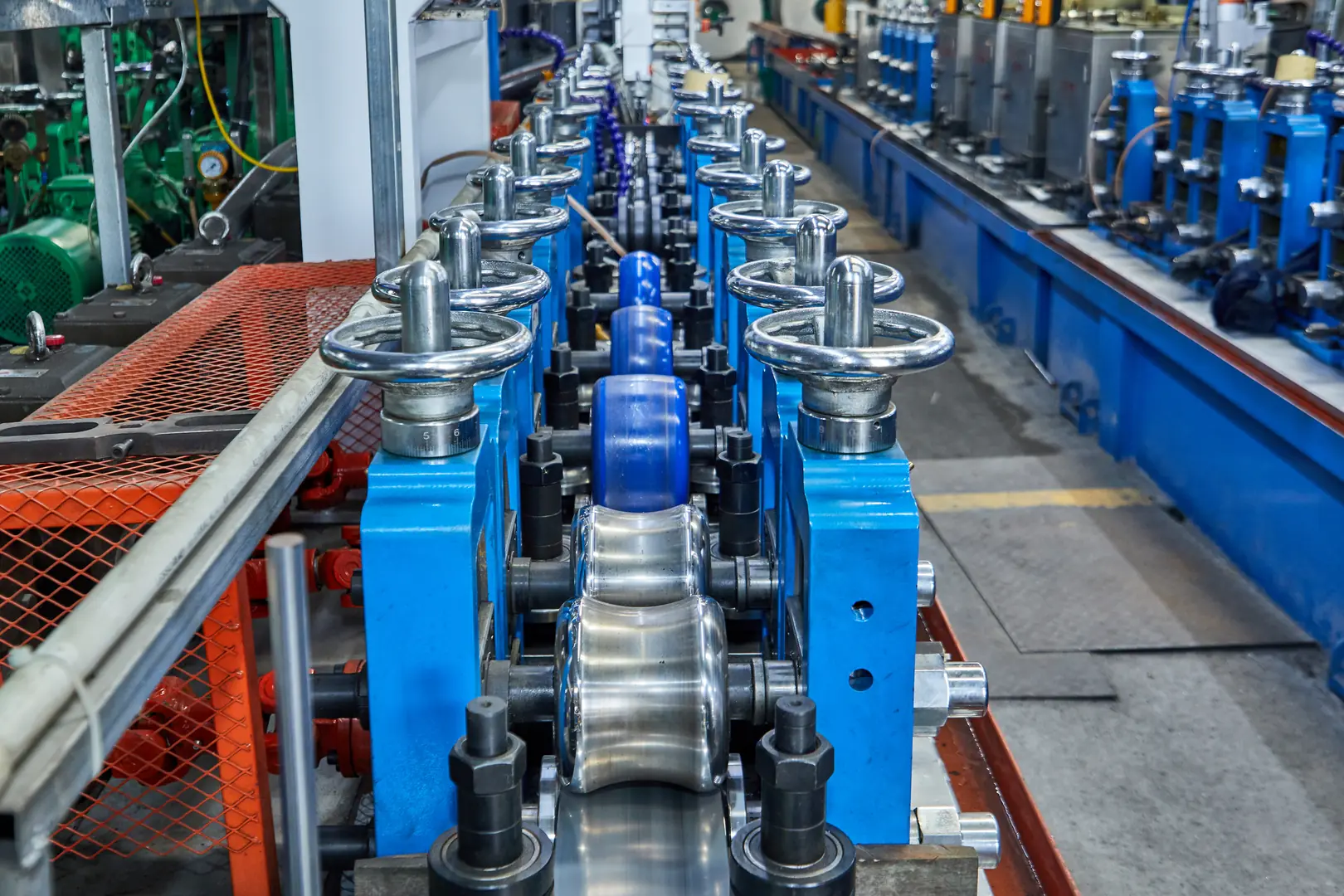
Boost Output by 20%: XZS High-Efficiency, Large-Output Tube Mill for Sale
Struggling with low tube mill output and high operational costs? In today's competitive market, inefficient machinery directly impacts your bottom line, making it difficult to keep up with demand.
Boost your tube mill output by 20% by investing in a high-efficiency machine like the XZS model. It features advanced automation, quick-change tooling, and energy-saving high-frequency welding to maximize material utilization up to 98% and significantly reduce downtime for higher profitability.
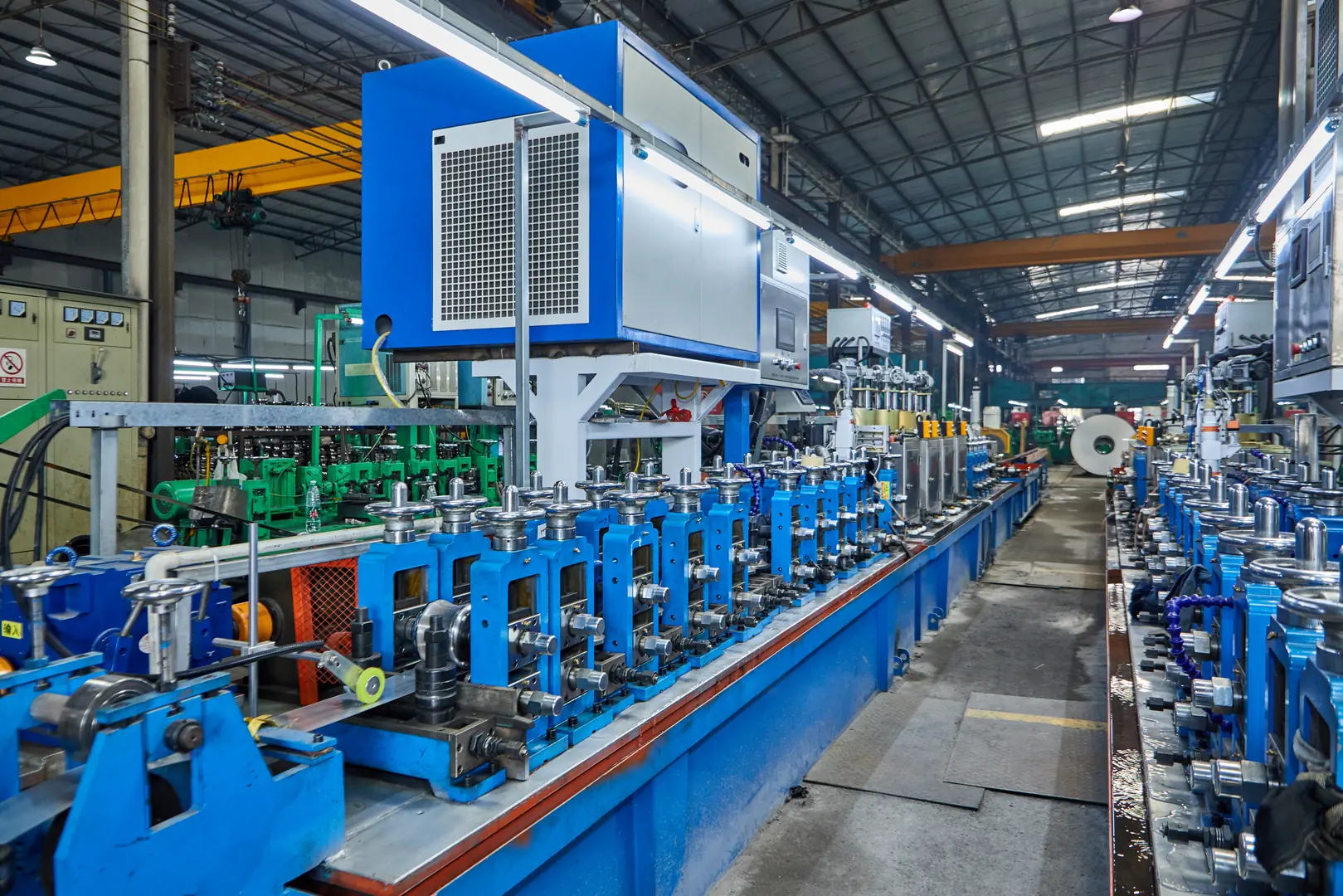
This 20% increase isn't just a number; it's a strategic advantage in a demanding global market. In my 15 years of experience, I've seen firsthand how the right technology transforms a production line from a cost center into a profit engine. Let's explore the current state of the industry, the challenges of traditional mills, and how we at XZS engineered a powerful solution.
What is the current state of tube mill production output in the industry?
Feeling the pressure of global competition? Many manufacturers are stuck with outdated output levels, unable to meet modern demands for speed and volume, which threatens their market position.
The current state of tube mill production is a mix of high demand and lagging efficiency. Many companies still use older equipment, facing challenges with material waste and slow changeovers, while market leaders are adopting automated, high-output solutions to meet demands from automotive and construction sectors.
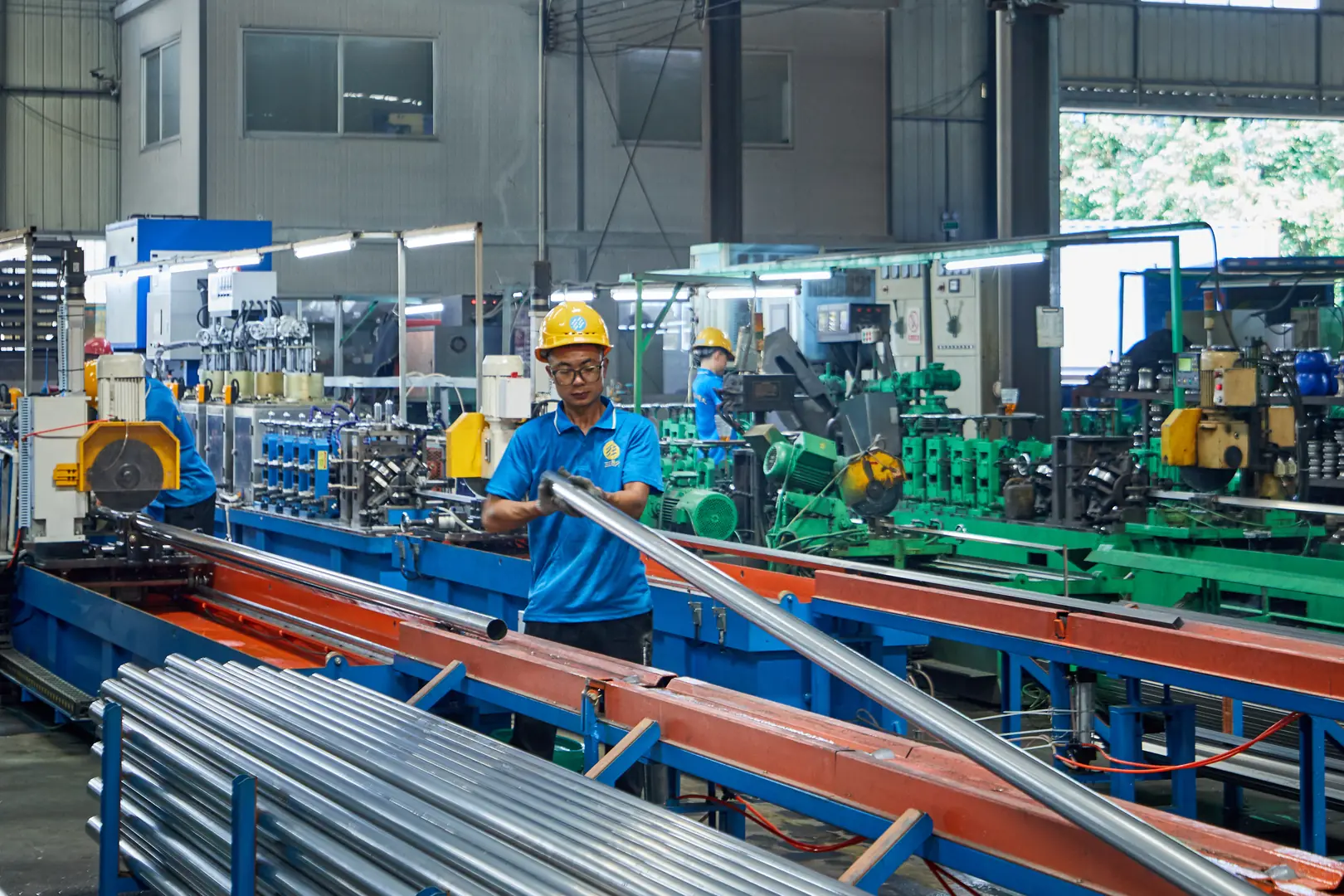
In my conversations with clients worldwide, I see a clear divide. On one side, you have manufacturers struggling with legacy systems. They face constant pressure from rising material costs and intense global competition. Their output is often capped by slow, manual processes and significant scrap rates. On the other side, proactive companies are investing in modern technology. They understand that to serve demanding sectors like automotive exhaust systems and HVAC pipelines, efficiency is everything. This isn't just about speed; it's about sustainability and cost-effectiveness, driven by the need to reduce operational costs. The market no longer tolerates waste. This shift is driving the demand for the kind of smart, high-output solutions we develop at XZS, and the gap between these two groups is widening every day.
| Feature | Traditional Mills | Modern XZS Mills |
|---|---|---|
| Output Rate | Standard | +20% Higher |
| Material Waste | 5-10% | <2% (98% Utilization) |
| Automation | Limited / Manual | Fully Automated (PLC) |
| Flexibility | Slow Changeovers | Quick-Change Tooling |
How does the XZS high-efficiency tube mill address current production challenges?
Are production bottlenecks and high operational costs holding you back? These common challenges can stall growth. Our tube mill is engineered specifically to eliminate these exact problems.
The XZS high-efficiency tube mill directly addresses production challenges by integrating advanced automation and precision engineering. Its design boosts output by 20%, achieves 98% material utilization, and uses quick-change tooling to minimize downtime, tackling costs, waste, and inefficiency head-on.
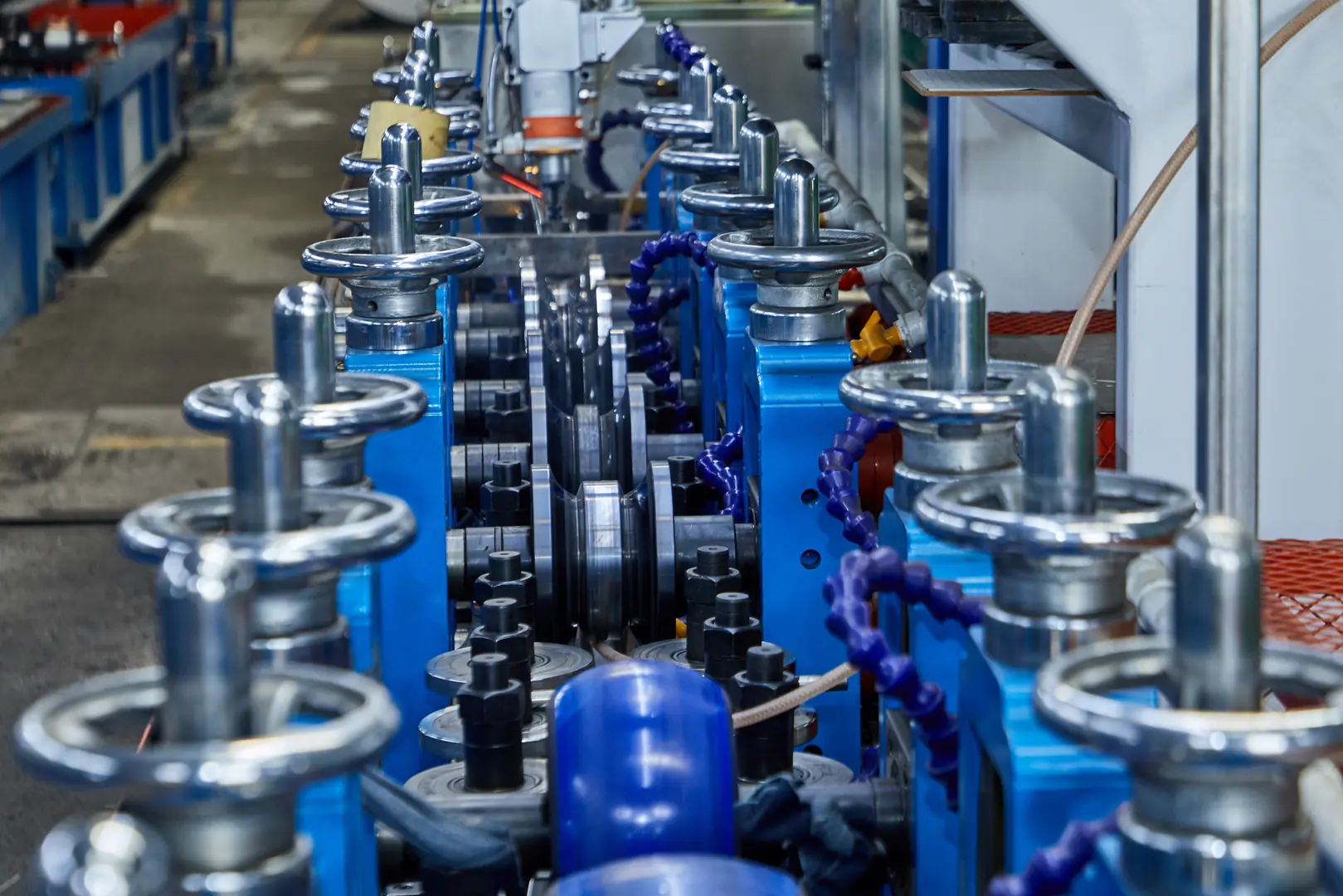
When we designed our latest tube mill at our 20,000 m² smart factory, we didn't just aim for a small improvement. We targeted the core pain points I see in the industry every day. Our solution is built on a foundation of smart technology and robust, ISO 9001-certified[^1] engineering.
Tackling Material Waste
First, we addressed material costs. Our precision forming and welding process achieves up to 98% material utilization. For many of our clients, this alone provides a significant ROI, especially with fluctuating steel prices.
Eliminating Downtime
Second, we focused on downtime, the silent killer of productivity. The quick-change tooling system allows operators to switch between different pipe sizes in a fraction of the time it takes on older machines. More uptime means more output.
Boosting Overall Efficiency
Finally, our fully automated PLC + touch-screen control system and energy-saving high-frequency welding ensure every part of the process is optimized for peak performance and lower energy consumption. It’s a complete, turnkey system designed for modern manufacturing realities.
What are the specific challenges that limit output in traditional tube mills?
Frustrated by slow changeovers and constant adjustments? These issues are common with older mills. They quietly eat away at your daily output, limiting your factory's true potential.
Traditional tube mills are limited by several key challenges: slow manual tooling changes between production runs, higher scrap rates due to imprecise forming, inconsistent welding quality, and frequent downtime for maintenance and adjustments. These factors collectively reduce overall equipment effectiveness (OEE) and cap output.
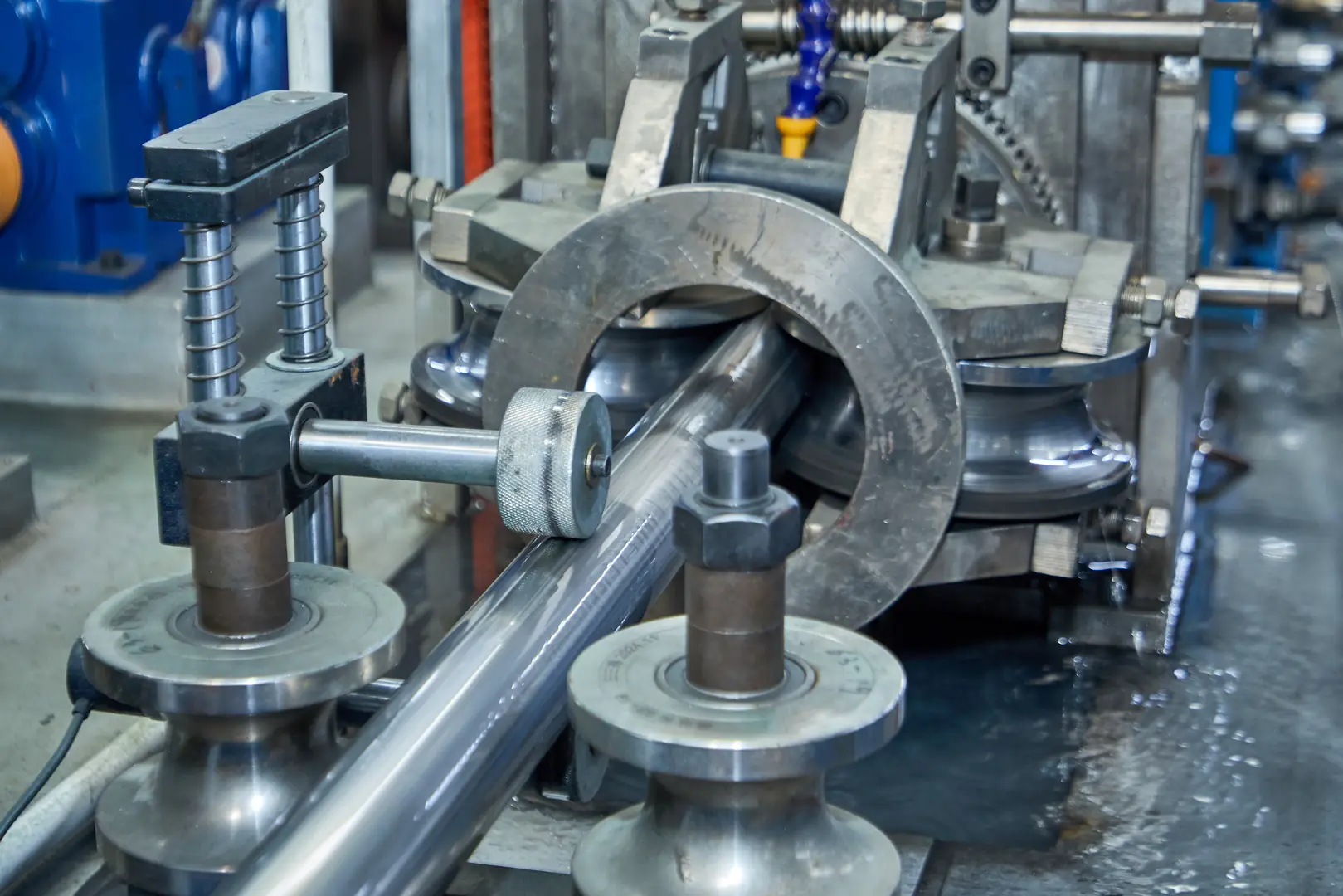
From my experience on countless factory floors, I can tell you that the limitations of traditional mills are predictable and costly. The problems aren't just about the age of the machine; they are fundamental design flaws in the context of today's market demands for speed and flexibility.
Slow Tooling Changeovers: The biggest bottleneck is often the time it takes to switch from one pipe dimension to another. This manual, labor-intensive process can take hours, leading to significant production losses every time you start a new order.
High Material Scrap Rate: Older forming sections lack the precision of modern CNC-machined components[^2]. This results in more setup scrap and inconsistent quality, directly impacting material utilization and profitability.
Inconsistent Welding: Outdated welding technology can lead to defects, requiring rework or causing entire batches to be rejected. This is a huge source of waste in both materials and labor. These combined issues create a hard ceiling on how much you can produce.
What strategies does XZS implement to boost tube mill output by 20%?
Looking for a concrete strategy to increase production? Simply working harder isn't the answer. We implement specific, proven engineering strategies to unlock that extra 20% output.
XZS implements a multi-faceted strategy to boost output by 20%. This includes using a robust, CNC-machined frame for stability at high speeds, integrating a fully automated PLC system for process optimization, and employing quick-change tooling to drastically cut downtime between production runs.
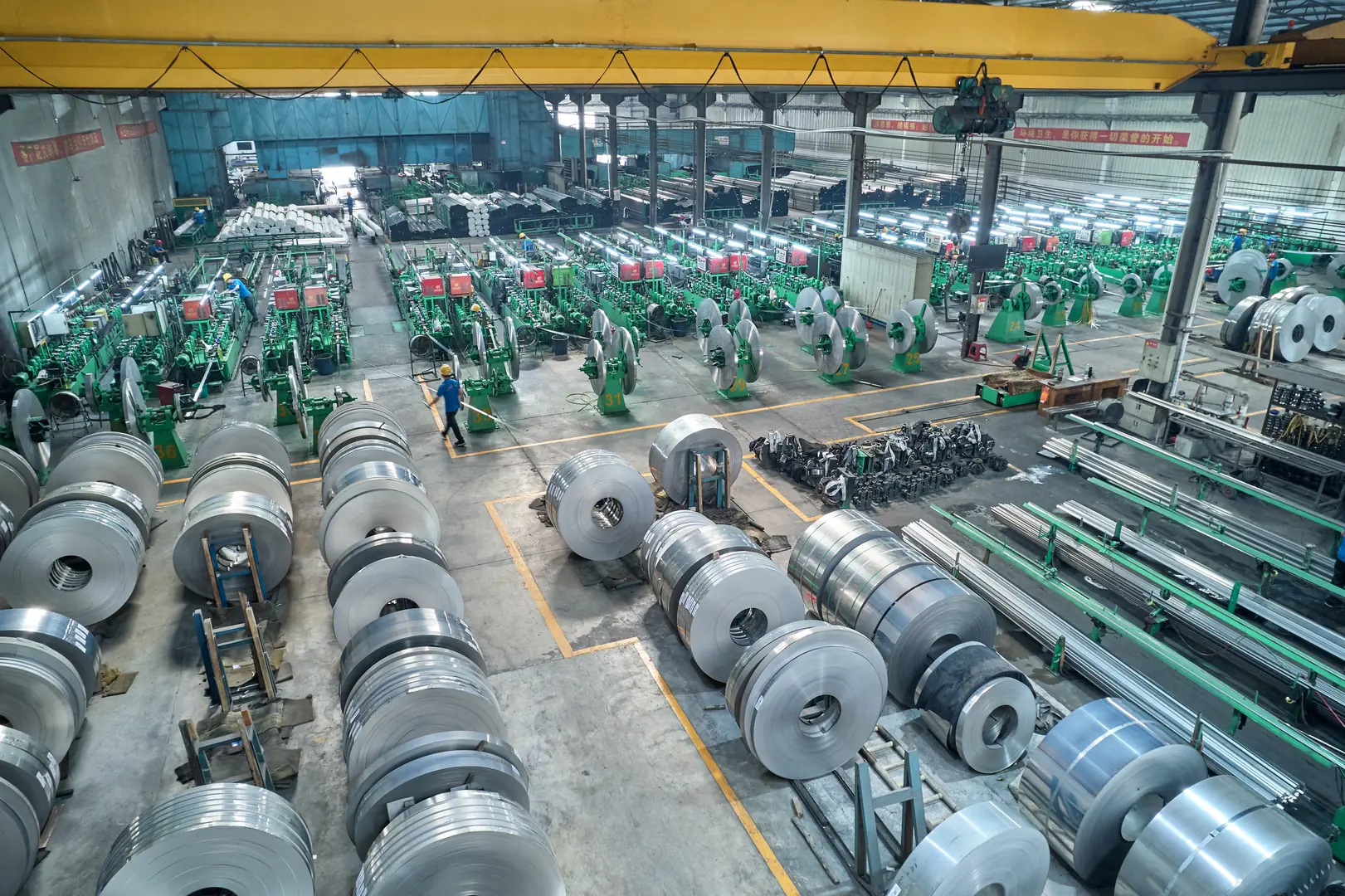
Achieving a 20% boost in output isn't magic; it's the result of targeted engineering and a deep understanding of the production process. At XZS, our strategy is holistic, focusing on every stage of tube manufacturing. We build our machines on a foundation of stability and precision. The entire frame is CNC-machined for maximum rigidity, allowing the mill to run faster without sacrificing quality. Our precision tolerance of ≤ ±0.05 mm is a direct result of this build quality. Then, we layer on intelligent automation. The PLC system optimizes roller speeds, welding power, and cutting length in real-time. This reduces the chance of human error and ensures consistent, high-speed production. Finally, we make the machine flexible, because that's what today's market demands. The quick-change system is critical for boosting real-world output by minimizing the most common source of lost time.
| Strategy Implemented by XZS | How It Boosts Output | Tangible Result |
|---|---|---|
| Precision CNC-Machined Frame | Ensures stability at higher speeds. | Consistent quality, less vibration. |
| Fully Automated PLC Control | Optimizes all parameters in real-time. | Reduces errors, maximizes throughput. |
| Quick-Change Tooling System | Slashes downtime between size changes. | More production hours per shift. |
| Energy-Saving HF Welding | Provides fast, strong, and consistent welds. | Fewer defects, higher line speed. |
What technical recommendations can maximize the efficiency of XZS tube mills?
Have the right machine but still not seeing peak results? The best equipment needs the right process. Let me share some key recommendations to maximize your investment's efficiency.
To maximize XZS tube mill efficiency, we recommend implementing a strict preventative maintenance schedule, providing comprehensive training for operators on the PLC system, and optimizing your raw material (steel coil) quality and handling procedures. Proper coil alignment is critical for achieving top performance.
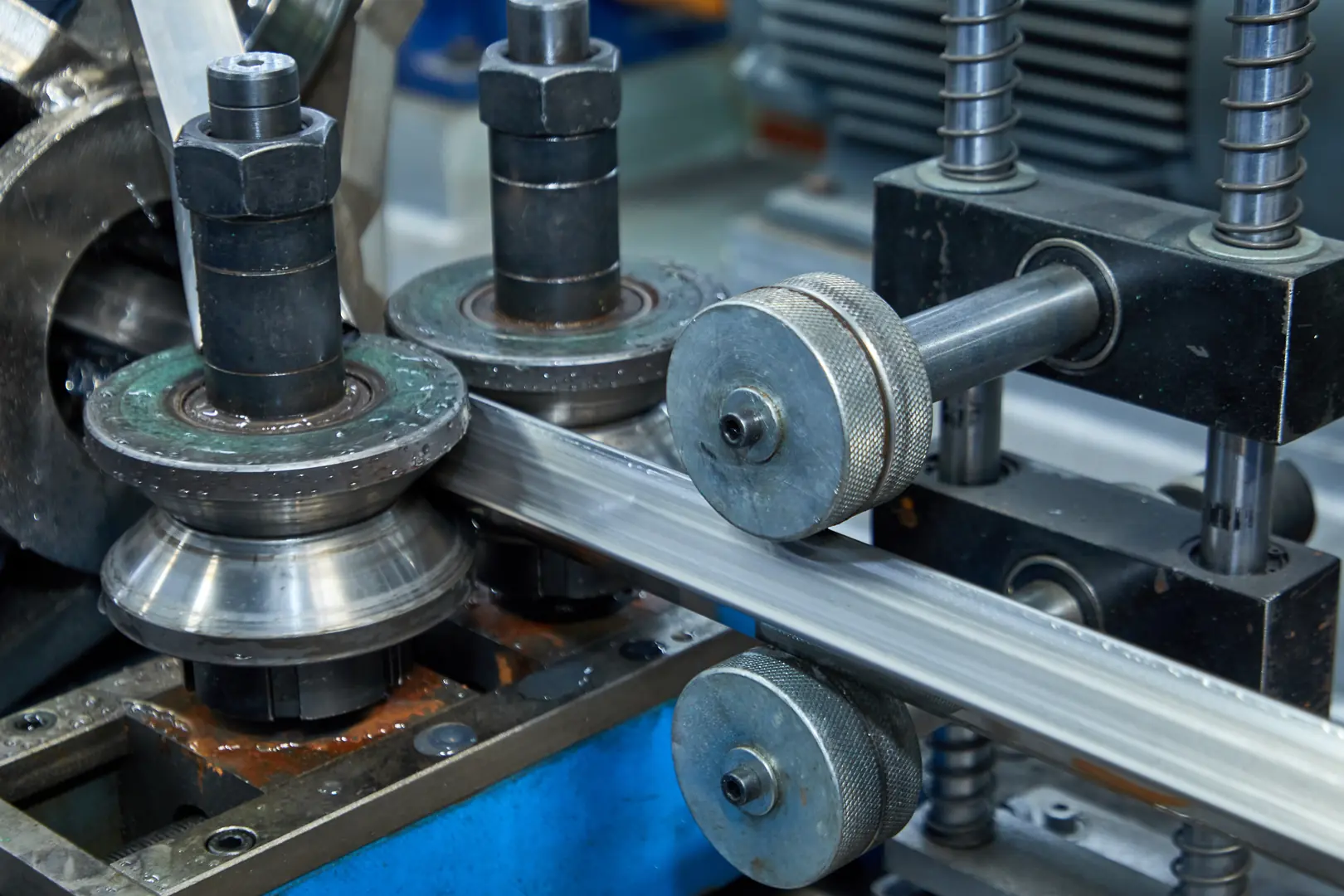
Owning an XZS tube mill gives you a powerful advantage, but to truly maximize its potential, you need to support it with smart operational practices. After installing hundreds of these lines globally, I've learned that a few key areas make all the difference.
Implement Proactive Maintenance
Don't wait for something to break. Follow the recommended maintenance schedule for rollers, bearings, and welding components. A well-maintained machine runs smoother, faster, and more reliably. Our after-sales service team can help you set up a perfect schedule tailored to your production volume.
Invest in Operator Training
Your operators are key. Ensure they are fully trained on the PLC control system and the quick-changeover process. A skilled operator who understands the machine's capabilities can significantly reduce setup times and prevent costly errors, directly contributing to higher output.
Control Your Raw Materials
The quality of your steel coil is paramount. Use high-quality, consistently slit coils. Poorly prepared coils can cause alignment issues, damage rollers, and slow down the entire line. Garbage in, garbage out—it's that simple.
Conclusion
In summary, boosting tube mill output by 20% is achievable with the right technology. The XZS high-efficiency mill overcomes traditional limitations through automation, precision, and speed, offering a clear path to higher productivity, lower costs, and a stronger competitive edge in today's demanding market.

 English
  Русский