The Ultimate Guide to High-Precision Tube Roll Forming for Industrial Applications
Inconsistent tube quality hurts your projects and reputation. This leads to material waste, production delays, and lost contracts. High-precision tube roll forming is the definitive solution for perfect, repeatable results.
High-precision tube roll forming is a continuous bending process where a metal strip passes through sets of rollers, progressively shaping it into a tube with tight tolerances, often ≤ ±0.05 mm. It is crucial for industrial sectors like automotive and aerospace that demand structural integrity and performance consistency.
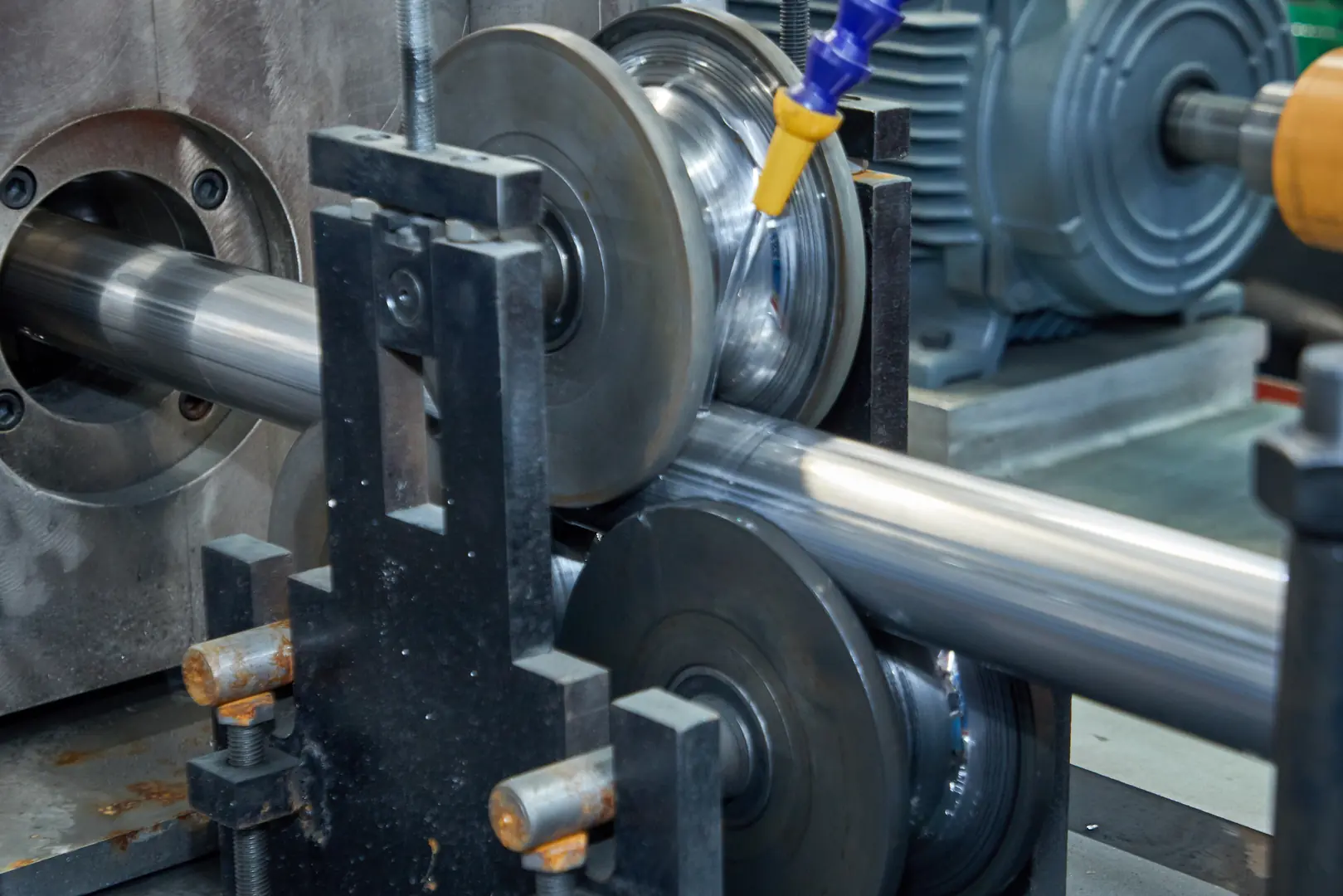
From my 15 years of experience at XZS, I've seen how mastering this process separates market leaders from the rest. It's not just about bending metal; it's about engineering a reliable, efficient production line that delivers value. In this guide, I will walk you through everything you need to know, from the fundamentals to advanced optimization techniques, so you can achieve the same level of excellence in your own operations.
What Are the Basics of Tube Roll Forming?
The term "roll forming" can seem complex. This complexity can be a barrier to improving your production line. Understanding the fundamental principles is the first and most important step toward mastery.
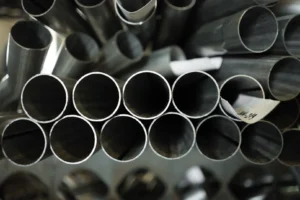
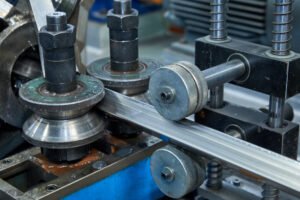
Tube roll forming is a manufacturing process that uses a series of roller dies to progressively shape a flat metal strip into a round, square, or custom-profile tube. The process is continuous, making it highly efficient for the high-volume production of strong, precise tubing.
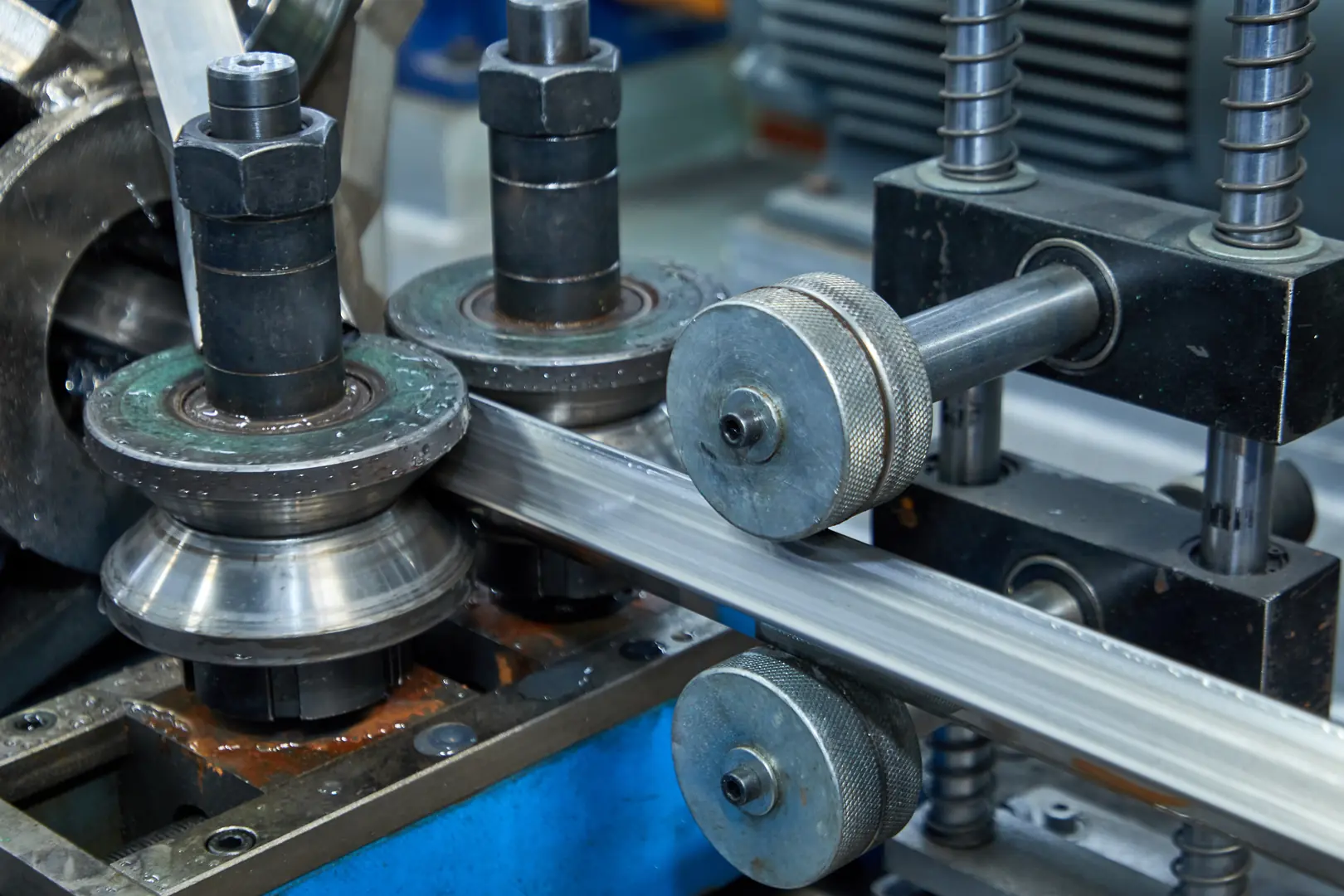
Let's dive deeper into how this works. The entire system is built around a simple, powerful idea: gradual transformation. Instead of stamping or pressing the metal in one forceful action, which can cause stress and inconsistencies, we gently persuade it into shape. This method preserves the material's structural integrity, resulting in a stronger finished product. In our XZS smart factory, we see this principle in action every day. The process isn't just about the rollers; it's an entire ecosystem working in harmony.
The Core Components
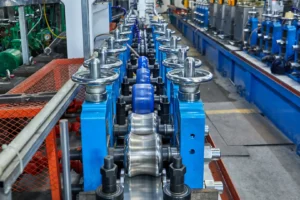
The heart of the machine is the tube mill line, which consists of uncoiling, forming, welding, sizing, and cutting stations. Each station has a specific job, and their perfect synchronization is key to achieving precision.
The Material Flow
The metal strip flows from one station to the next seamlessly. This continuous motion is what makes roll forming so efficient for industrial-scale production. It minimizes handling and reduces the chance of human error, ensuring every meter of tube is as perfect as the last.
What Are the Key Factors for Achieving High-Precision Tube Forming?
Your finished tubes don't meet the required specifications. This causes costly rejects, rework, and damages your professional reputation. Focusing on a few key factors can dramatically and consistently improve your precision.
Achieving high precision depends on three key factors: the quality of the raw material, the design and material of the roller dies, and the rigidity of the tube mill. Advanced PLC automation and CNC-machined components are also critical for modern, high-stakes applications.
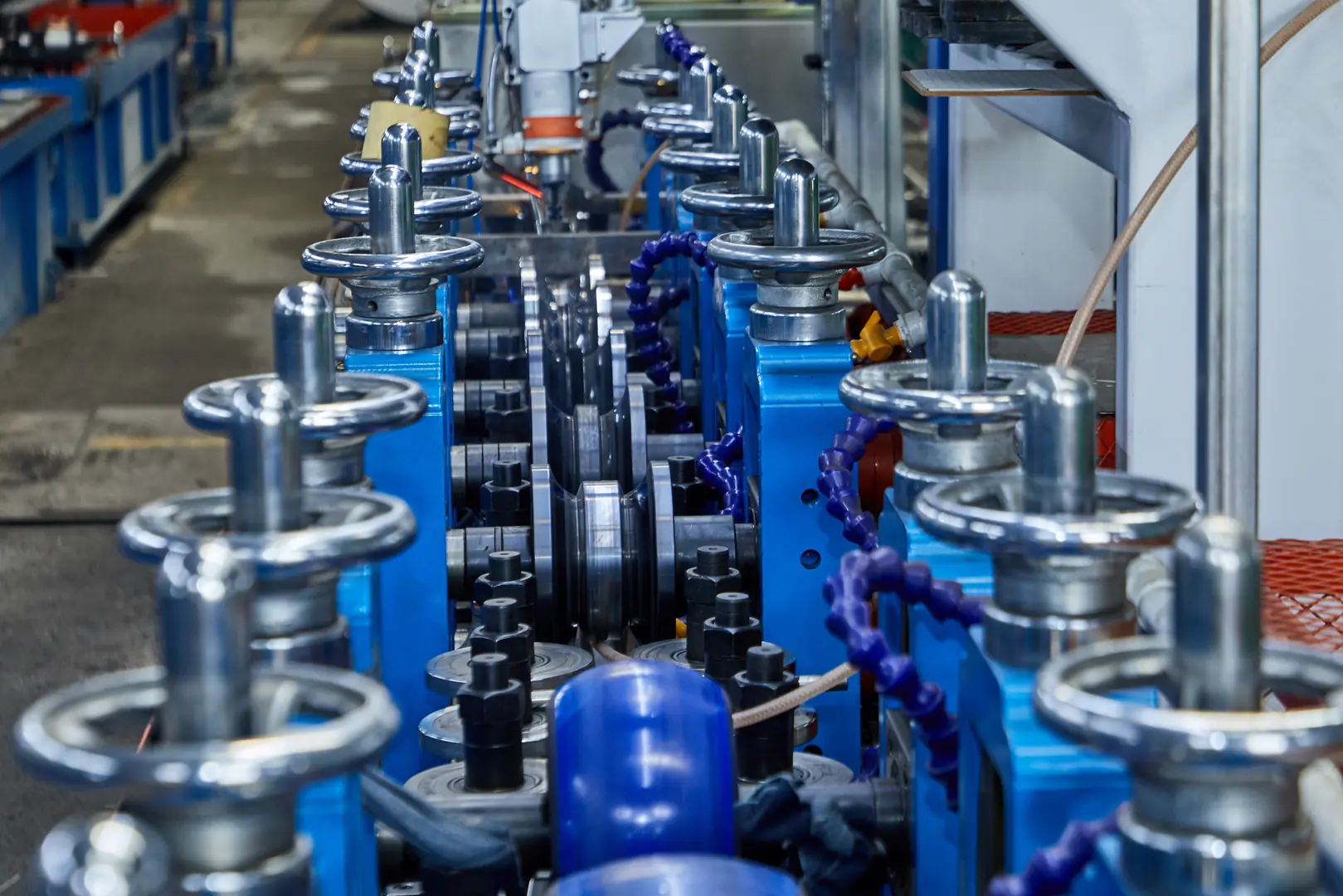
In my experience, you can't compromise on any of these areas. Think of it as a three-legged stool—if one leg is weak, the whole thing fails. Precision isn't an accident; it's the result of careful engineering and investment in quality. At XZS, we build our machines around a heavy-duty, reinforced frame because we know that stability is the foundation of accuracy. From there, we use CNC machining to create our roller dies, ensuring every curve is perfect. This integration of a robust structure with advanced technology is what allows us to promise tolerances of ≤ ±0.05 mm. It’s this commitment that helps our clients in demanding sectors like automotive and construction meet and exceed their industry standards.
| Factor | Why It's Critical | How to Control It |
|---|---|---|
| Raw Material Quality | Inconsistent thickness or hardness causes forming defects. | Source from certified suppliers with strict quality control. |
| Roller Die Design | Poor design leads to scratches, stress, and inaccuracy. | Use simulation software and high-wear-resistant materials (e.g., Cr12MoV). |
| Machine Stability | Vibration or misalignment ruins tolerance. | Invest in a heavy-duty, CNC-machined frame and conduct regular alignment checks. |
| Automation & Control | Manual adjustments are slow and prone to error. | Implement a PLC + touch-screen system for real-time monitoring and control. |
What is the Step-by-Step Process of Tube Roll Forming?
You need a clear and repeatable production workflow. Without a defined process, errors and inefficiencies will inevitably creep in. Let's walk through the standard, step-by-step manufacturing sequence together.
The process begins with uncoiling a metal strip, which then passes through forming rollers for shaping. It's then welded longitudinally, sized for precision, and cut to the desired length. The final step often involves deburring or polishing for a finished, market-ready product.
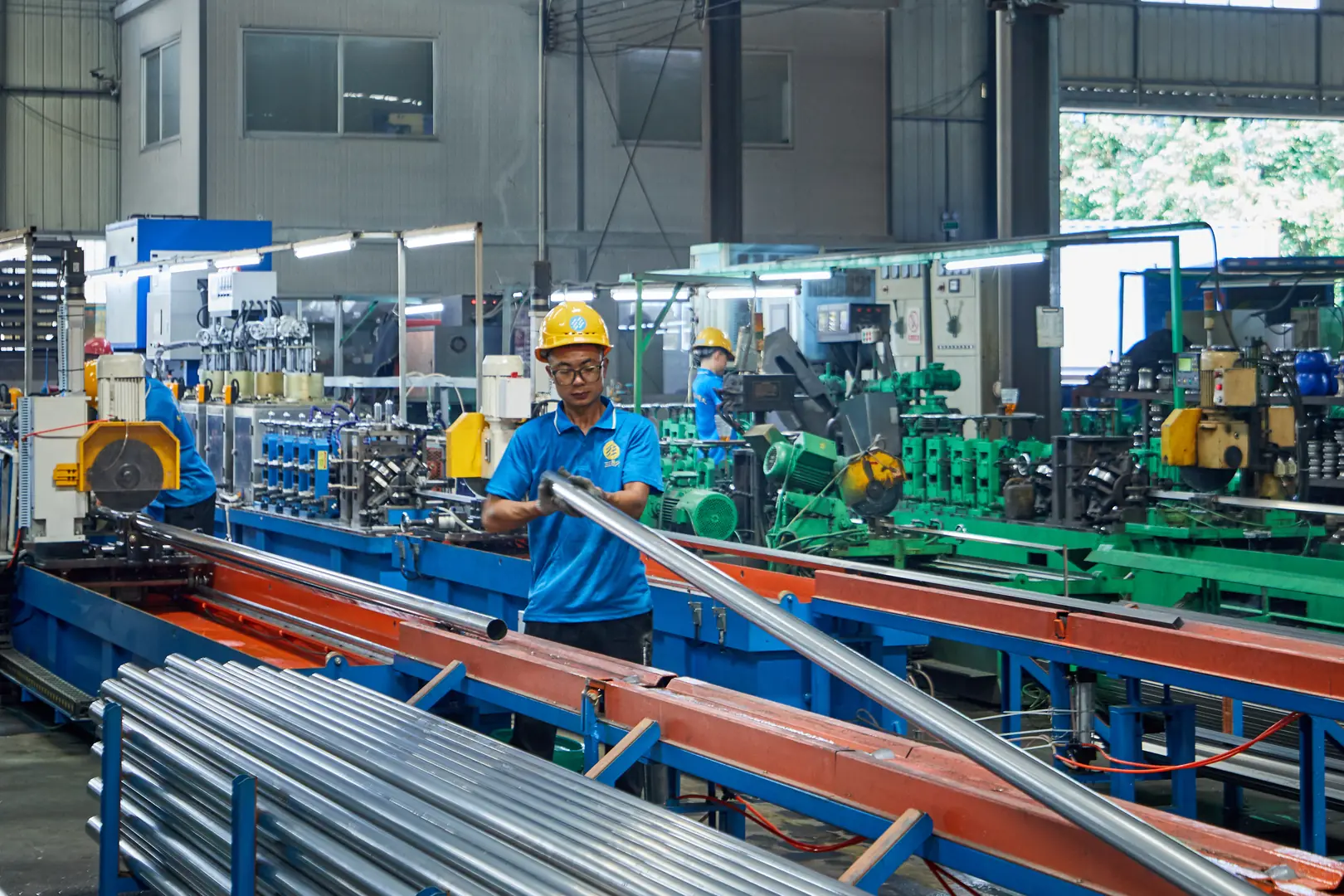
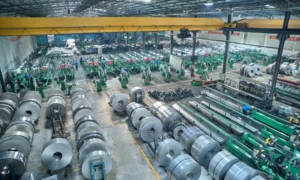
To truly understand high-precision manufacturing, you must see it as a chain of events where each link is as important as the last. A failure at any stage compromises the final product. I've spent countless hours on our 20,000 m² factory floor, refining each step to eliminate waste and maximize quality. The goal is to create a seamless, automated flow that transforms a simple coil of steel into a high-value industrial component with minimal human intervention. This is not just about efficiency; it's about building a predictable, reliable system that our clients can count on. Let's break down the journey of the metal strip.
1. Uncoiling and Feeding
The process starts with a large coil of flat metal strip being loaded onto an uncoiler. The strip is then fed into the machine, often through a leveling unit to ensure it is perfectly flat before forming begins.
2. Forming and Welding
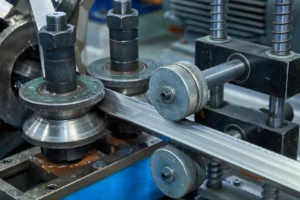
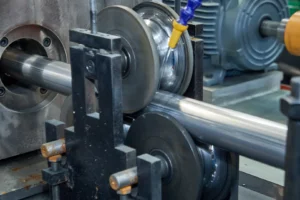
The strip enters the forming section, where multiple sets of roller dies gradually bend it into a circular shape. Once the edges meet, they pass through a high-frequency welder[^1], which fuses them together to create a strong, continuous seam.
3. Sizing and Straightening
The newly formed tube, which may be slightly oversized or misshapen from welding heat, enters the sizing section. Here, more rollers refine its final dimensions and profile. A straightening unit then ensures the tube is perfectly straight.
4. Cutting and Finishing
Finally, a flying cutoff saw cuts the continuous tube into pre-programmed lengths without stopping the line. The finished tubes are then collected, and may undergo deburring or polishing depending on the application's requirements.
What Are Common Challenges in Tube Roll Forming and How Do You Overcome Them?
Unexpected issues suddenly halt your production line. This downtime is extremely expensive and frustrating for your entire team. Knowing the common problems and their solutions keeps you running smoothly.
Common challenges include weld defects, tube twisting, and dimensional inaccuracies. These are overcome by using high-quality raw materials, ensuring precise roller alignment, maintaining welding equipment, and investing in a rigid tube mill with modern automation to monitor the process in real-time.
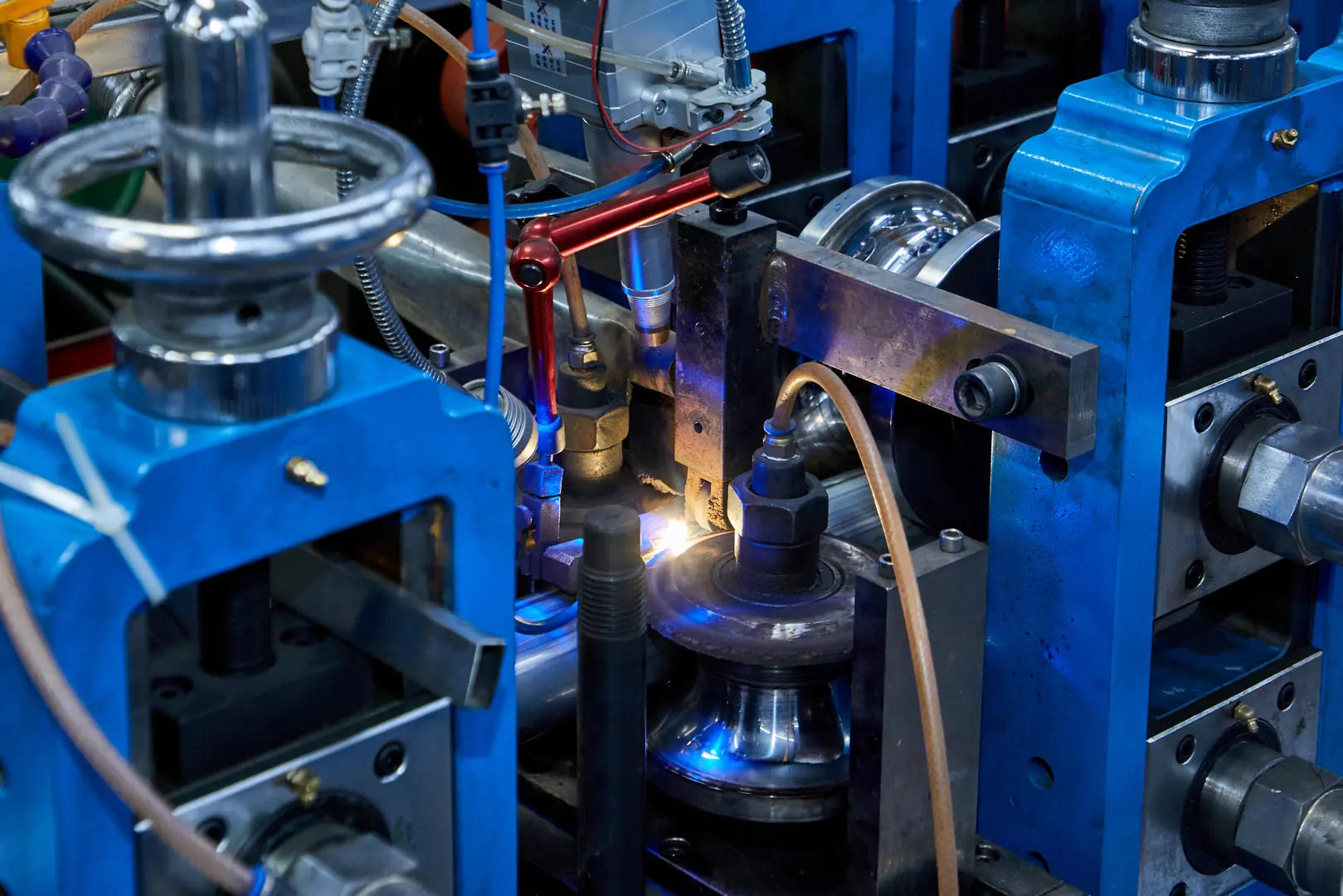
Over the years, I've learned that 90% of problems can be traced back to a few root causes: poor material, incorrect setup, or machine wear. The key to overcoming them is not just fixing the issue at hand, but building a system that prevents it from happening in the first place. This proactive approach is central to our philosophy at XZS. We design our machines for durability and ease of maintenance. For example, our quick-change tooling[^2] systems not only speed up size changes but also ensure that rollers are seated perfectly every time, reducing the risk of alignment-related defects. A reliable machine, combined with a well-trained team, is the best defense against the common challenges that can plague a production floor.
| Common Challenge | Root Cause | Our Solution at XZS |
|---|---|---|
| Weld Seam Issues | Improper power, worn electrodes, or poor edge prep. | Use an energy-saving, high-frequency welder with precise PLC controls. Ensure proper machine setup. |
| Tube Twisting | Misalignment of roller dies or uneven forming pressure. | Our CNC-machined frames and precision-ground shafts ensure perfect alignment. Regular maintenance is key. |
| Surface Scratches | Debris on rollers, poor lubrication, or rough roller surfaces. | We use high-quality, polished roller materials and recommend proper cooling/lubrication systems. |
| Inaccurate Sizing | Worn-out rollers or machine frame flex. | We use highly durable roller materials and a reinforced, heavy-duty machine base to eliminate flex. |
How Can You Optimize Your Tube Forming Operations?
You want more output and less material waste. Inefficiency eats directly into your profits and market competitiveness. A few strategic optimizations can significantly boost your entire operation's performance.
Optimize operations by investing in quick-change tooling to reduce downtime, implementing a preventative maintenance schedule, training operators thoroughly, and using automated PLC systems to monitor quality in real-time. This boosts material utilization and overall efficiency, leading to a stronger ROI.
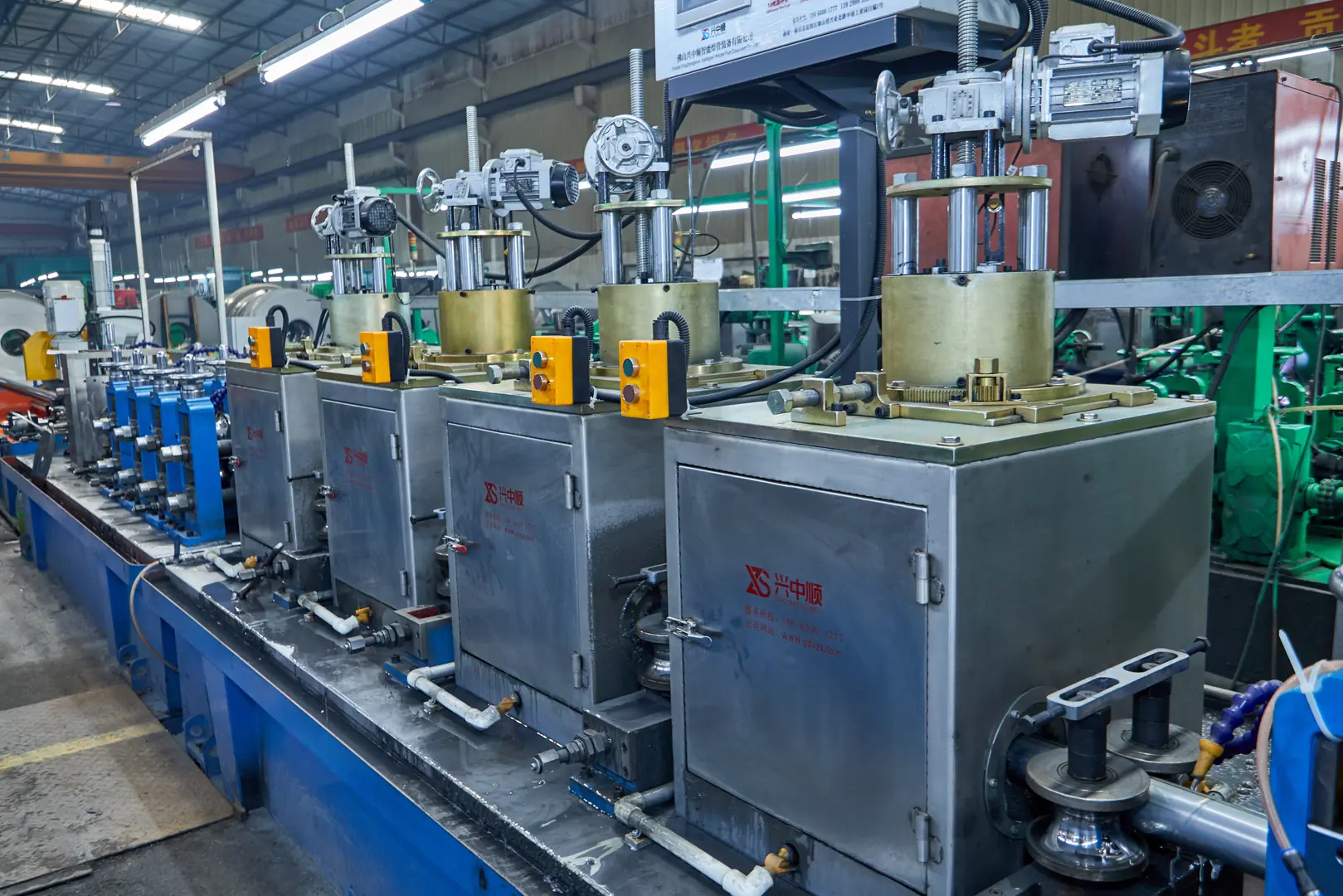
Optimization is about getting more from what you already have. In a competitive global market, efficiency is everything. We designed our XZS production lines to achieve up to 98% material utilization, which is a significant competitive advantage for our clients. This isn't achieved by one single feature, but by a holistic approach to machine design. It's about making processes faster, more repeatable, and less dependent on manual skill. When you combine smart technology with robust mechanical engineering, you create a production asset that pays for itself through higher output, lower waste, and superior product quality. This is the future of manufacturing.
Invest in Automation
A fully automated line with PLC and touch-screen controls provides real-time data and reduces the chance of human error. It allows for faster diagnostics and more consistent quality control, directly impacting your bottom line.
Focus on Tooling
A quick-change tooling system is one of the best investments you can make. The time saved during size changeovers translates directly into more production hours. It reduces downtime from hours to minutes.
Prioritize Maintenance
A simple, consistent preventative maintenance schedule is the most effective way to prevent costly breakdowns. We design our machines with accessible components to make routine checks and servicing as straightforward as possible.
Conclusion
Mastering high-precision tube roll forming is essential for any industrial application where quality and consistency are non-negotiable. Success depends on understanding the process, investing in a robust and precise machine, and committing to operational excellence. By focusing on these core principles, you can boost efficiency and lead your market.
 English
  Русский