
Advantages of Using Welded Stainless Steel Pipes
Choosing the right piping material is critical. The wrong decision can lead to costly system failures, downtime, and safety risks, compromising your entire operation from the start.
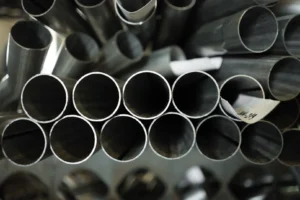
Welded stainless steel pipes offer superior corrosion resistance, high strength-to-weight ratio, and long-term cost-effectiveness. Their durability and ease of fabrication make them the ideal choice for demanding industries like automotive, oil and gas, and construction, ensuring reliable performance and reduced maintenance.
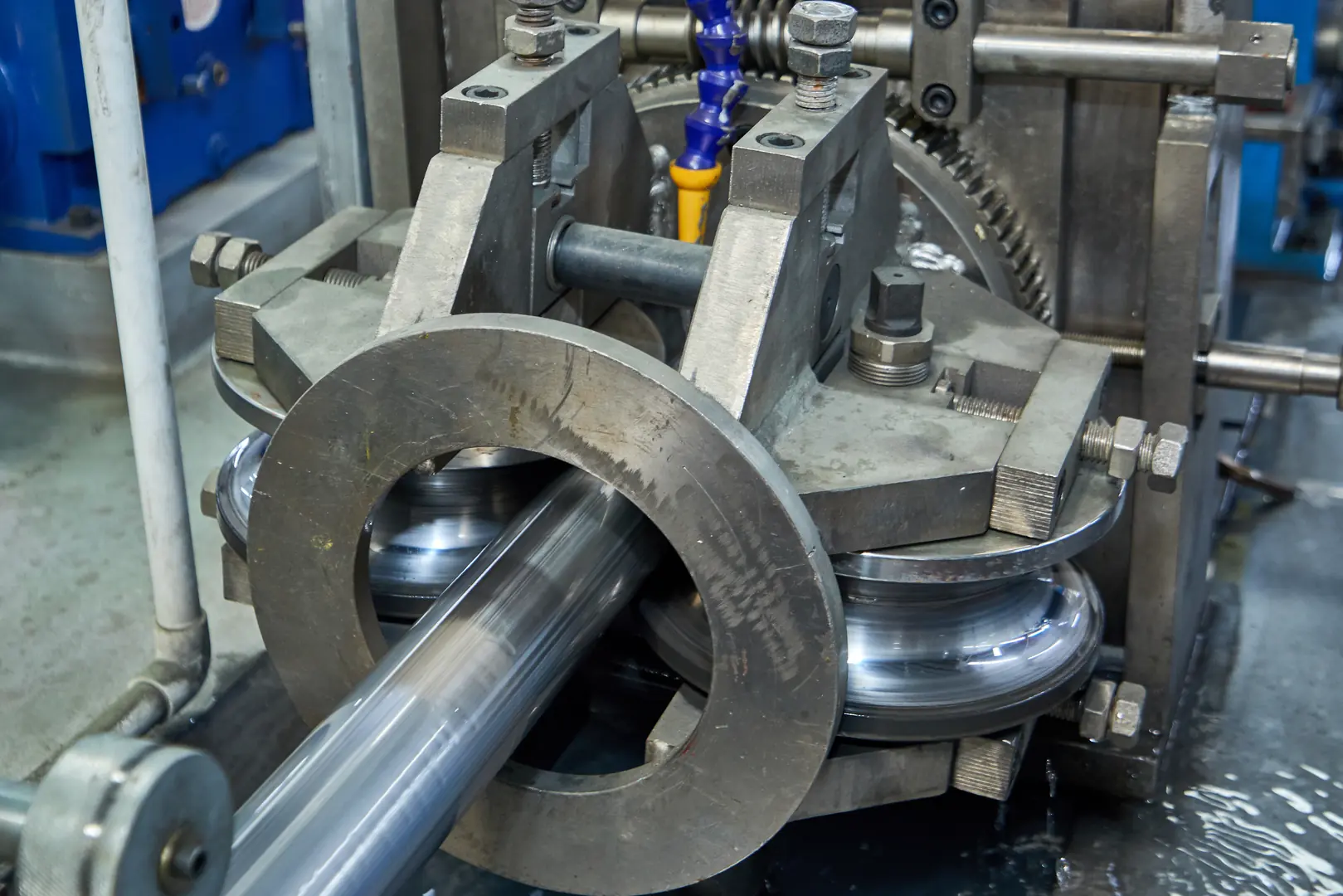
In my 15 years of experience at XZS, I've seen firsthand how the right material can transform a project's success. The choice between different pipe types often comes down to balancing performance with budget. Welded stainless steel pipes consistently emerge as the strategic choice for businesses looking for a reliable, high-performance solution that pays dividends over time. Let's explore the specific advantages that make them an indispensable asset in modern industry.
What are the key benefits of using welded stainless steel pipes?
You need a versatile material for your projects. Juggling the competing demands of cost, strength, and long-term durability can be a complex challenge for any purchasing manager or engineer.
The key benefits are exceptional corrosion resistance, high structural strength, lifecycle cost-efficiency, and sustainability. These pipes are also easy to fabricate, clean, and maintain, making them a versatile and reliable choice for a wide range of industrial and commercial applications.
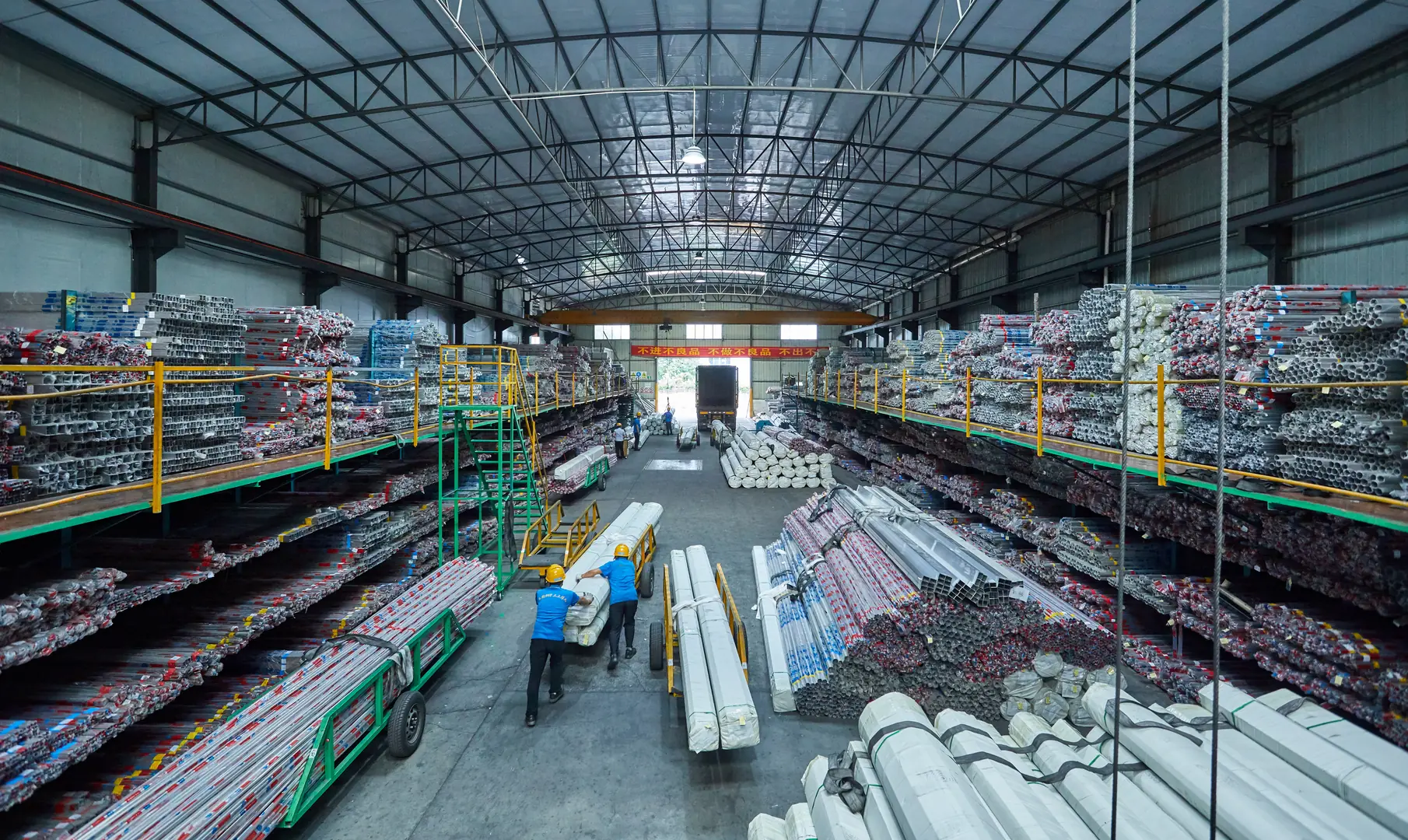
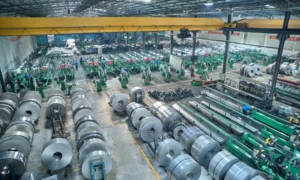
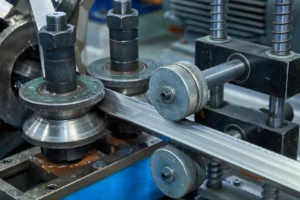
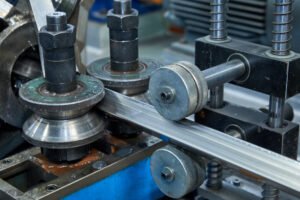
When we dive deeper, the value proposition becomes even clearer. At XZS, we design our tube mill lines to maximize these inherent benefits. The ease of fabrication, for instance, is a major advantage. Stainless steel can be welded, cut, and formed with precision, which reduces manufacturing time and waste. This directly impacts your bottom line. The strength-to-weight ratio allows for thinner pipe walls without sacrificing structural integrity, saving material costs and making installation easier. This combination of properties creates a powerful synergy. It's not just about one feature; it's about how they work together to provide a comprehensive solution that reduces maintenance overhead and extends the lifespan of your entire installation. It's a transformative opportunity for any industry prioritizing durability and a strong return on investment.
| Выгода | Impact on Operations |
|---|---|
| Устойчивость к коррозии | Reduces maintenance and replacement costs. |
| High Strength | Ensures safety and structural reliability. |
| Cost-Effectiveness | Lowers total cost of ownership over time. |
| Устойчивое развитие | 100% recyclable, supporting green initiatives. |
Why is corrosion resistance important in stainless steel pipes?
Rust and chemical degradation are silent threats. These issues can compromise your entire system, leading to unexpected downtime, product contamination, and serious safety hazards that put your operations at risk.
Corrosion resistance is vital because it prevents pipe degradation from moisture, chemicals, and harsh environmental factors. This intrinsic protection ensures system integrity, extends service life, and minimizes the need for costly coatings or frequent replacements, especially in demanding industrial settings.
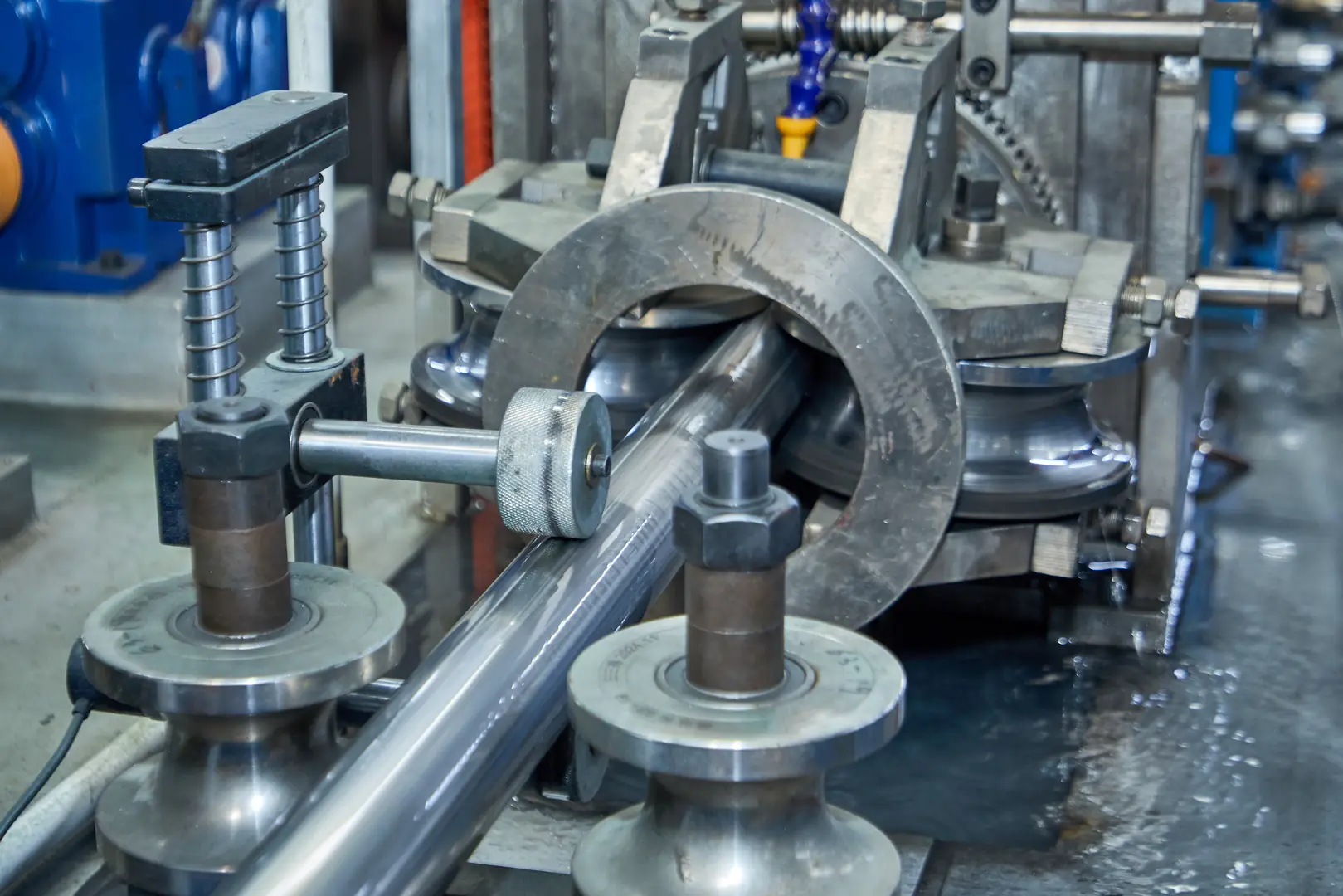
Let's break down the science in simple terms. The magic behind stainless steel's resilience is a thin, invisible layer of chromium oxide that forms on its surface. This "passive layer[^1]" self-heals when scratched, providing continuous protection against corrosive agents. In my experience, this is the single most important factor for clients in the sanitary-ware, food processing, and oil-and-gas sectors. They can't afford contamination or leaks. This unparalleled corrosion resistance means the pipe maintains its purity and structural integrity for decades, even when transporting aggressive fluids or exposed to saltwater. This isn't just a feature; it's a fundamental guarantee of quality and safety. It reduces the total cost of ownership significantly because you spend less on maintenance, repairs, and premature replacement, ensuring a more predictable and profitable operation.
How do welded stainless steel pipes enhance structural integrity?
Your projects demand materials that are strong and absolutely reliable. Using weaker alternatives can lead to bending, buckling, or, in the worst-case scenario, catastrophic structural failures under pressure.
Welded stainless steel pipes enhance structural integrity through their high tensile strength and a strong, uniform weld seam. Modern manufacturing technology creates a joint that is often as strong as the parent material, ensuring reliability under heavy loads and internal pressure.
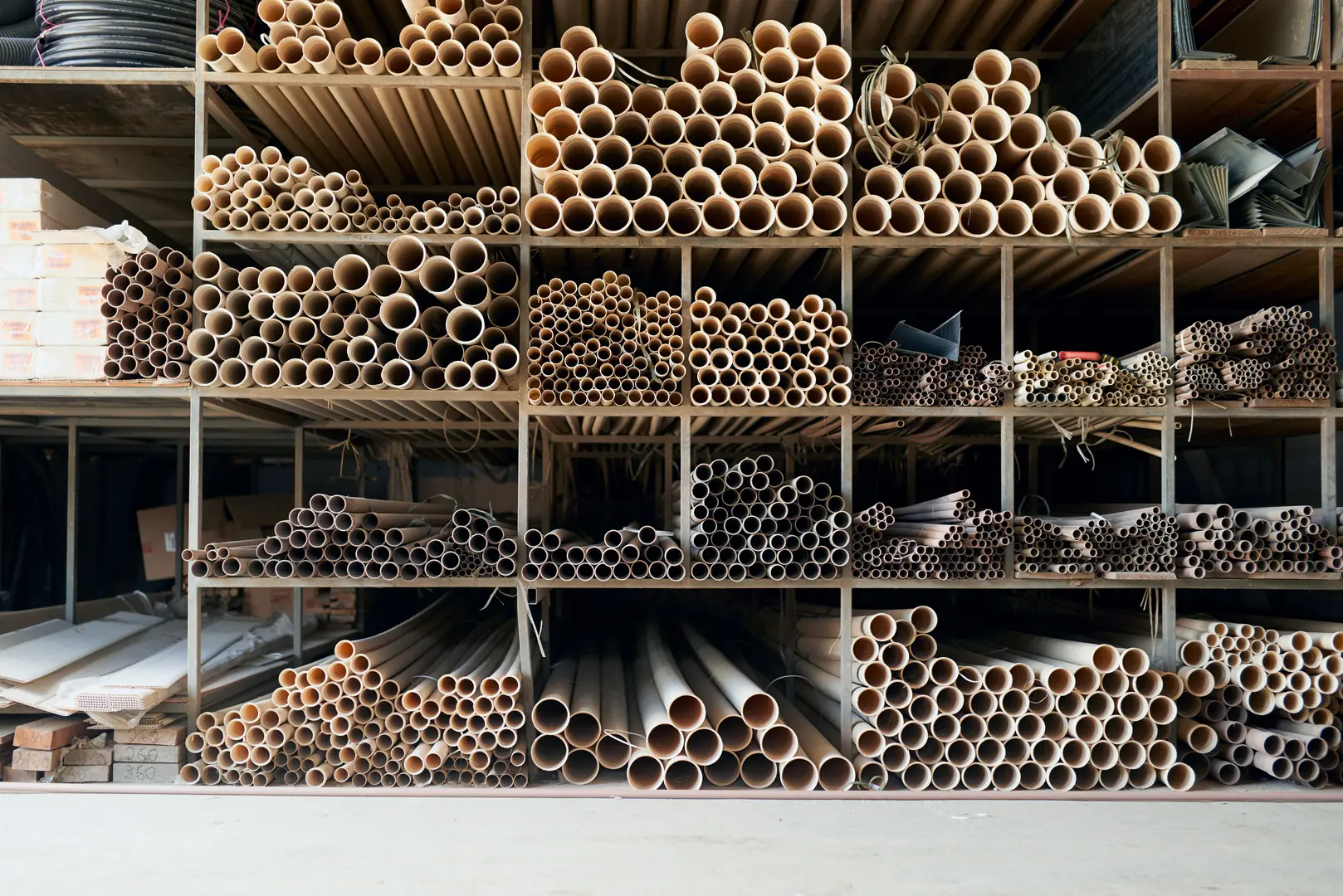
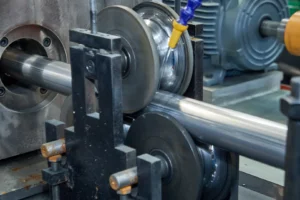
The quality of the weld seam is everything. In the past, people worried that the weld was a weak point. However, with the advancements in TIG and laser welding technologies—the very kind we integrate into our XZS production lines—this is no longer true. Our machines use precise controls to create a seamless, full-penetration weld that is metallurgically sound. This ensures the pipe behaves as a single, homogenous unit.
The Role of the Weld Seam
A high-quality weld seam, produced on a precision tube mill, guarantees uniform wall thickness and concentricity. This is critical for applications where even pressure distribution is necessary, like in automotive exhaust systems or structural frames for buildings. The strength isn't just about resisting bursts; it's about providing consistent, predictable performance day in and day out. This reliability is the foundation of structural integrity and what allows engineers to design leaner, more efficient systems without compromising on safety.
What solutions do welded stainless steel pipes offer for high-pressure applications?
High-pressure systems demand zero-fail materials. A pipe burst is not just an inconvenience; it can be a dangerous and extremely expensive event that halts production and poses a risk to personnel.
For high-pressure applications, welded stainless steel pipes offer a robust and safe solution due to their high yield strength and consistent wall thickness. Advanced manufacturing ensures the weld seam can withstand extreme internal pressures, making them ideal for automotive, HVAC, and hydraulic systems.
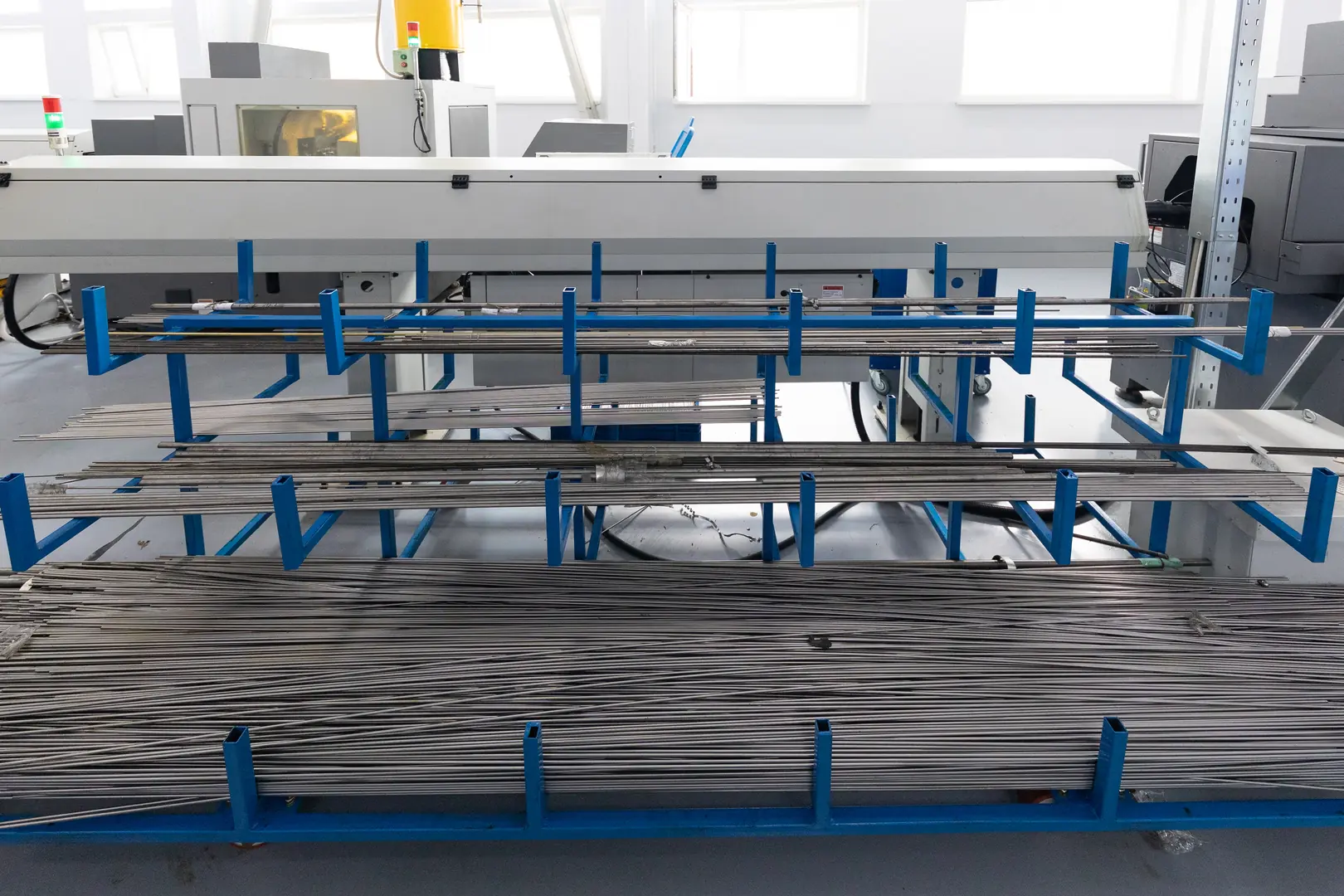
In my work with clients in the automotive and energy sectors, the conversation always turns to performance under extreme conditions. Think about an automotive exhaust system or an oil-and-gas pipeline; these are environments where pipes must handle high pressures and temperatures constantly. This is where the quality of manufacturing becomes paramount. At XZS, our adherence to ISO 9001 standards[^2] means every machine we build is designed for precision. Our reinforced heavy-duty welding-pipe machines create pipes with a tolerance of ≤ ±0.05 mm. This precision eliminates weak spots along the weld seam, which is critical for high-pressure containment. The result is a pipe that you can trust to perform reliably, ensuring the safety and efficiency of the entire system. It’s this focus on quality that meets the evolving needs of industries seeking high-performance, cost-effective solutions.
What are the best practices for installing and maintaining welded stainless steel pipes?
You want to maximize your investment's lifespan. But even the best materials can be compromised by improper handling, installation, or maintenance, leading to premature failure and negating their benefits.
Best practices include proper handling to avoid surface contamination, using correct welding procedures for connections, and performing regular visual inspections. Cleaning with non-chloride agents helps maintain the protective passive layer, ensuring maximum corrosion resistance and longevity.
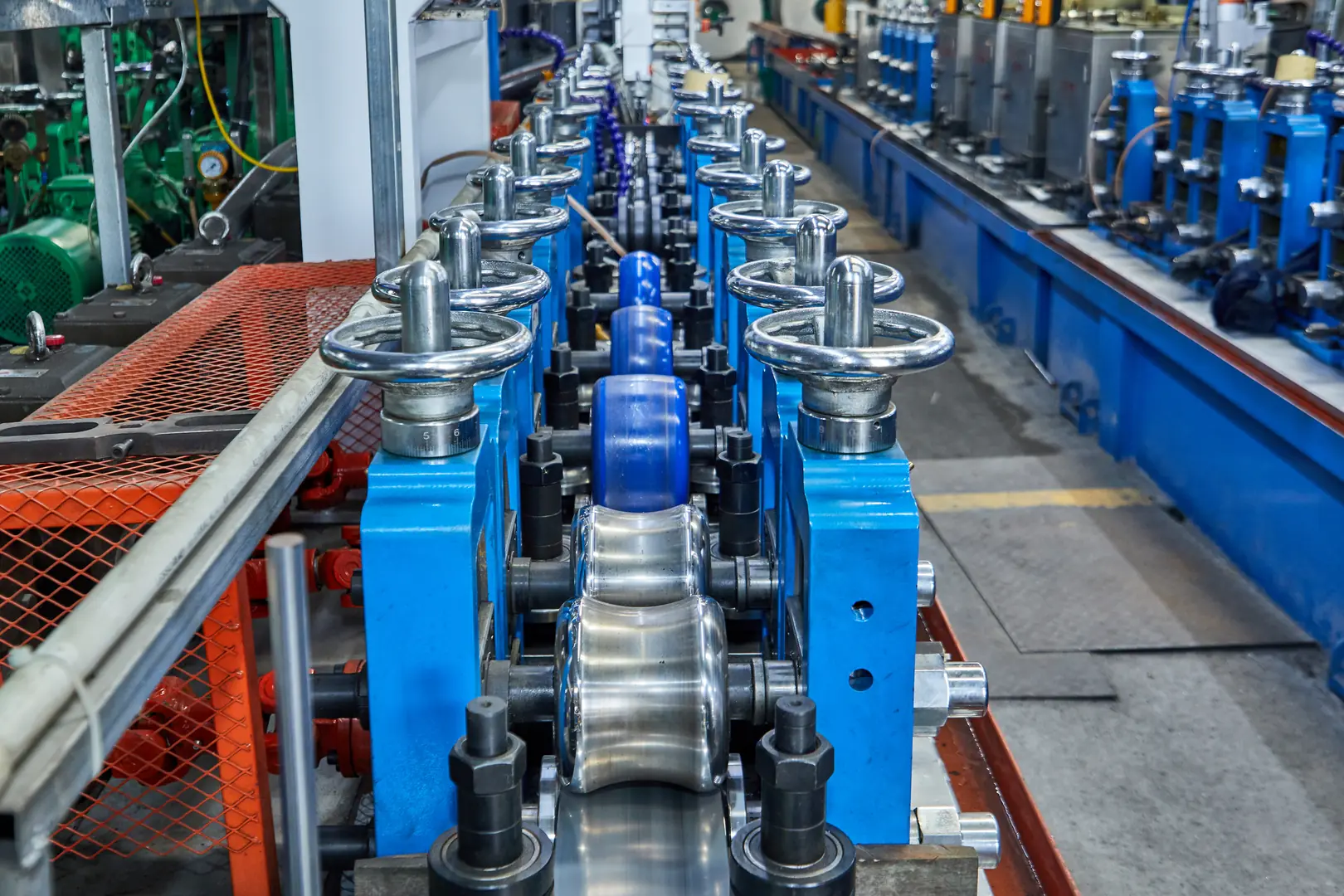
Getting the most out of your stainless steel pipes comes down to following a few simple but critical rules. I always tell my clients that the work isn't finished once the pipe is manufactured; it continues through installation and its entire service life.
Installation Tips
Always use tools dedicated to stainless steel to prevent cross-contamination from carbon steel, which can cause rusting. When welding sections together on-site, ensure the area is purged with an inert gas like argon to protect the integrity of the weld from the inside. Proper support and alignment are also crucial to avoid unnecessary stress on the system.
Maintenance Checklist
Maintenance is straightforward. Regularly inspect for any signs of discoloration or damage. Clean the surfaces periodically with soap and water or a specialized stainless steel cleaner. Avoid using steel wool or brushes made of carbon steel. By following these simple steps, you ensure the passive layer remains intact and the pipes deliver the long, trouble-free service life they were designed for.
Заключение
In summary, welded stainless steel pipes offer a powerful combination of corrosion resistance, structural strength, and long-term value. Their versatility makes them a strategic asset for any modern industrial application, delivering reliability that directly translates to a stronger bottom line and enhanced operational safety.
 Русский
  English