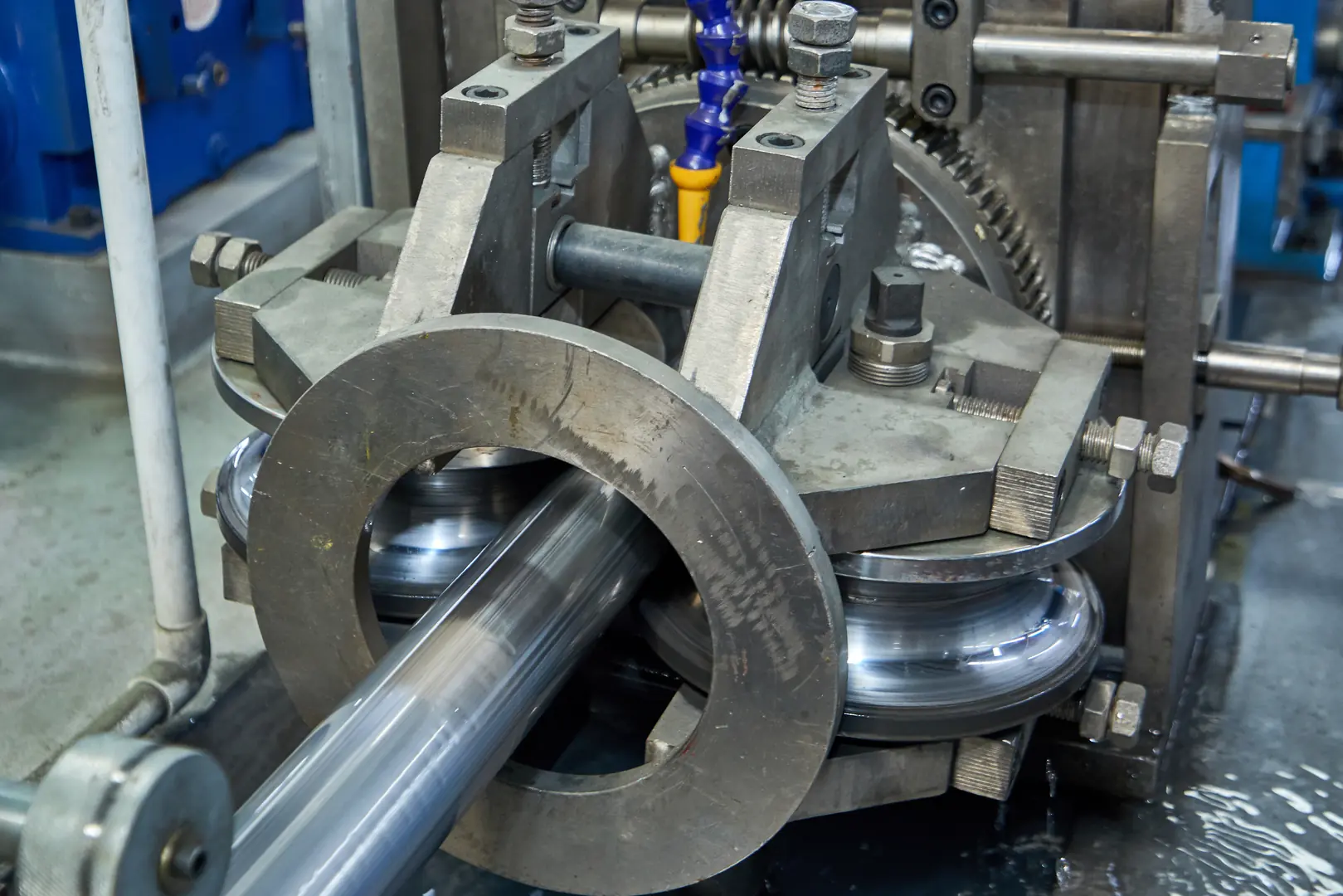
The New Tech in Tube Mill Manufacturing: Boosting Yield by 20% with XZS Intelligent Lines
Are you losing profits to material waste and inefficient tube mill lines? Rising material costs squeeze margins, making every inch of steel count. Our new intelligent lines solve this.
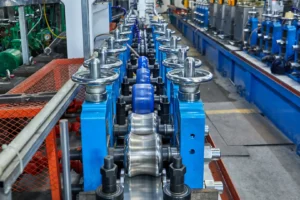
New tube mill technology, like XZS's intelligent lines, can boost yield by up to 20% by integrating high-frequency energy-saving welding, automated PLC controls, and precision CNC-machined tooling. This combination drastically reduces material waste, minimizes scrap, and optimizes the entire production process for maximum efficiency.
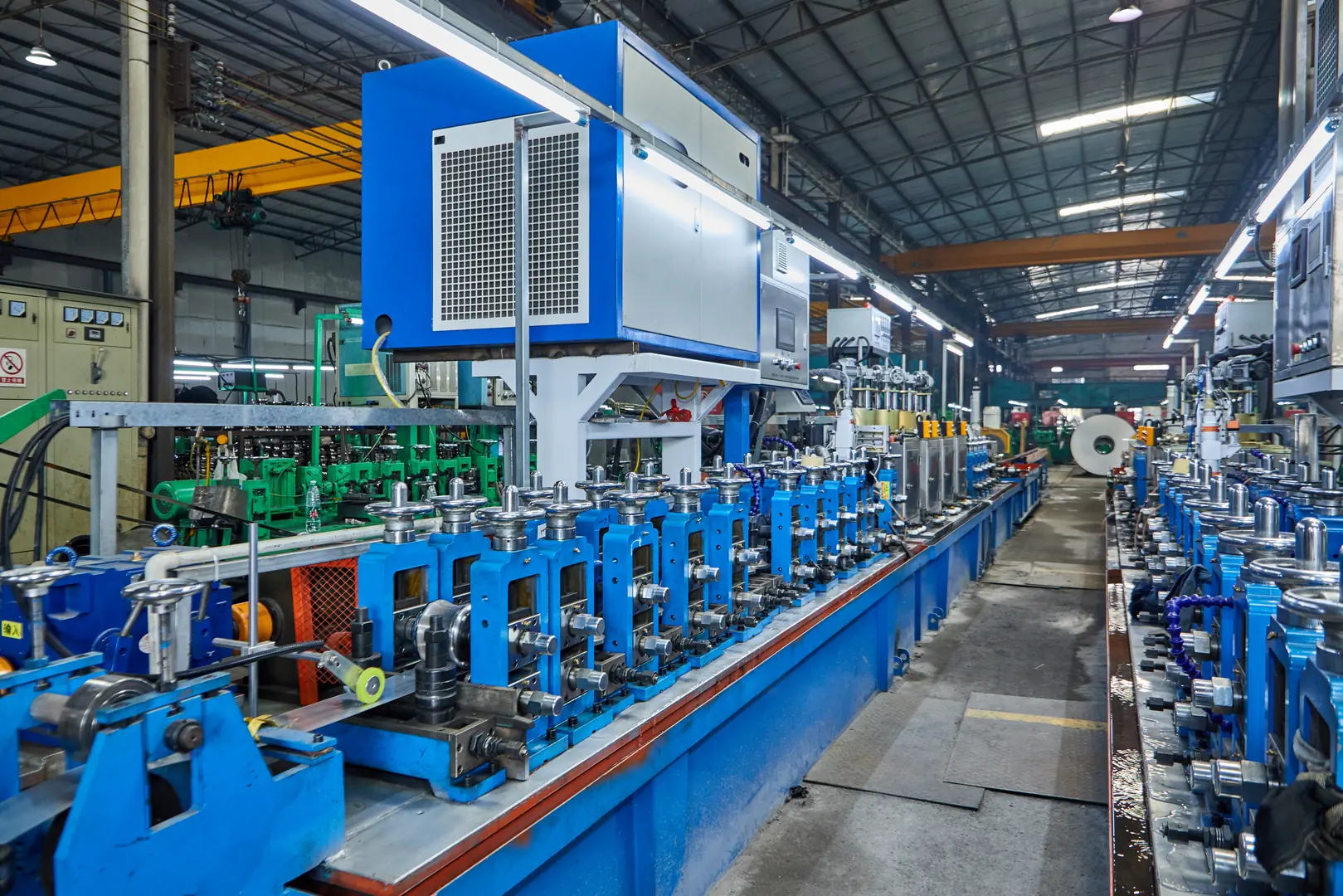
In my 15+ years in this industry, I have seen many claims. But this isn't just a number; it's a fundamental shift in how we approach tube manufacturing. As raw material costs rise and environmental rules get tighter, efficiency is no longer a goal—it's a necessity for survival. Let's break down how this technology works and what it truly means for your bottom line.
What Are the Latest Technology Trends in Tube Mill Manufacturing?
Is your equipment falling behind the curve? Outdated tech struggles to keep up with modern demands for speed and precision, costing you contracts. We are seeing a major shift.
The latest trends in tube mill manufacturing center on automation, data integration, and energy efficiency. Key technologies include fully automated PLC systems, quick-change tooling for rapid size adjustments, and advanced energy-saving high-frequency welding systems that improve both speed and quality while lowering operational costs.
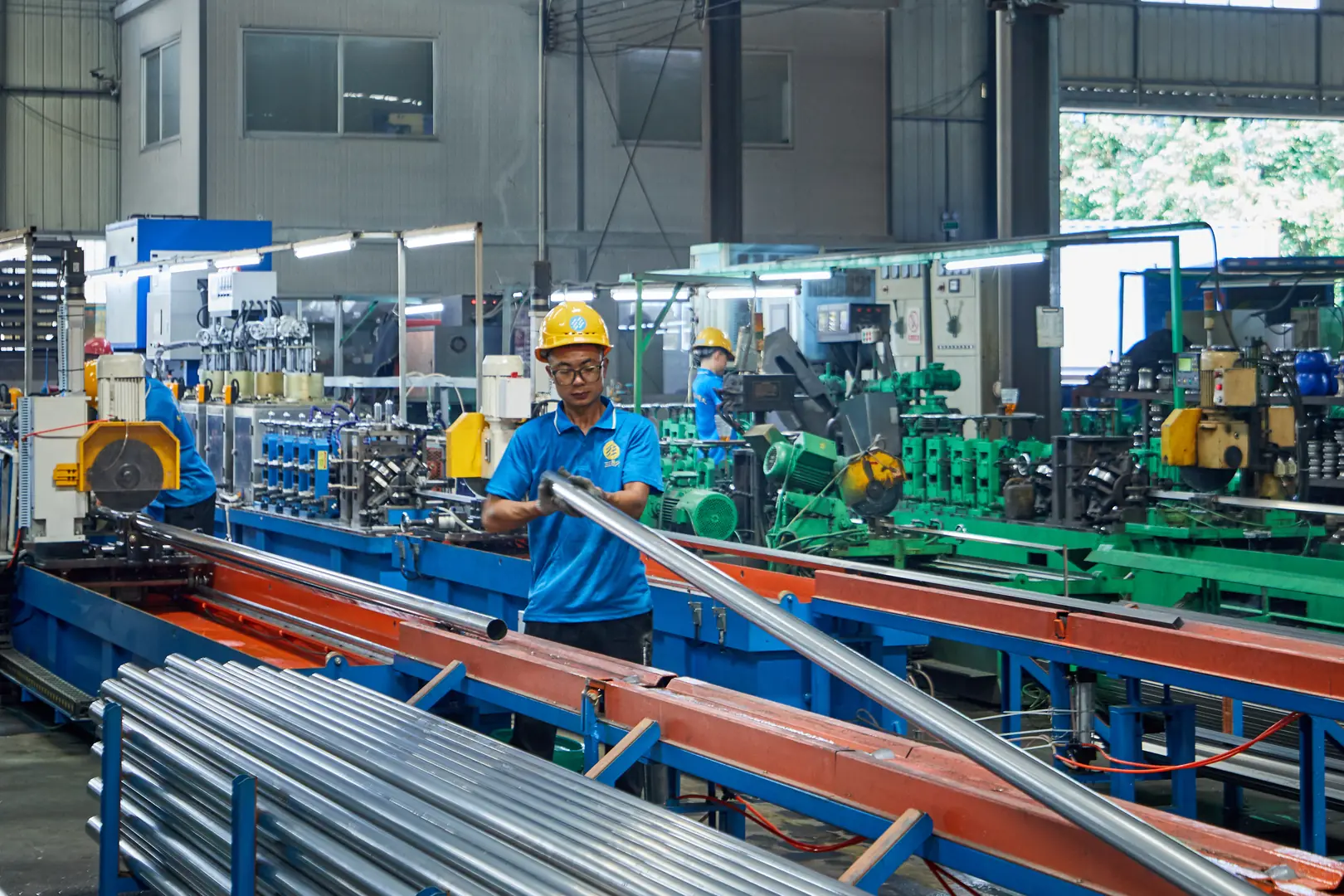
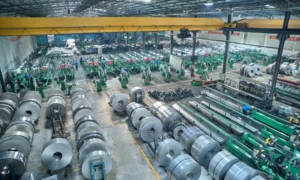
From my perspective at our 20,000 m² smart factory, the "future" of tube manufacturing is already here. The biggest trend I see is the move towards holistic, intelligent systems. It's not about one single feature anymore. It's about how all the parts work together.
The Drive for Full Automation
The goal is to reduce human error and increase consistency. Our lines use a central PLC with a touch-screen interface. The operator sets the parameters, and the machine manages the rest. This ensures every pipe is made to the same high standard, which is critical for clients in the automotive or sanitary-ware sectors.
The Mandate for Precision
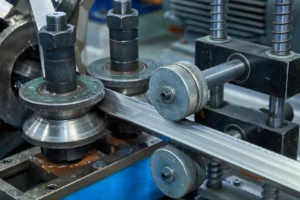
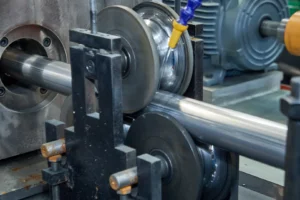
The market demands tighter tolerances than ever before. We achieve precision of ≤ ±0.05 mm because we build our machine frames and rollers using high-precision CNC machining. A robust, perfectly aligned frame is the foundation for a perfect pipe.
| Характеристика | Старая технология | XZS Intelligent Line |
|---|---|---|
| Control | Manual adjustments | ПЛК + сенсорный экран |
| Precision | Зависит от оператора | ≤ ±0.05 mm tolerance |
| Сварка | Standard frequency | Energy-saving high-frequency |
What Are the Limitations of Current Tube Mill Manufacturing?
Are you constantly fighting scrap, downtime, and inconsistent quality? Traditional machinery often hits a hard ceiling on efficiency, leaving potential profit on the factory floor. It's a frustrating reality.
Many current tube mill lines suffer from significant material waste, slow changeover times between different pipe sizes, and inconsistent welding quality. These limitations directly impact profitability by increasing scrap rates, causing production bottlenecks, and requiring extensive manual oversight and rework.
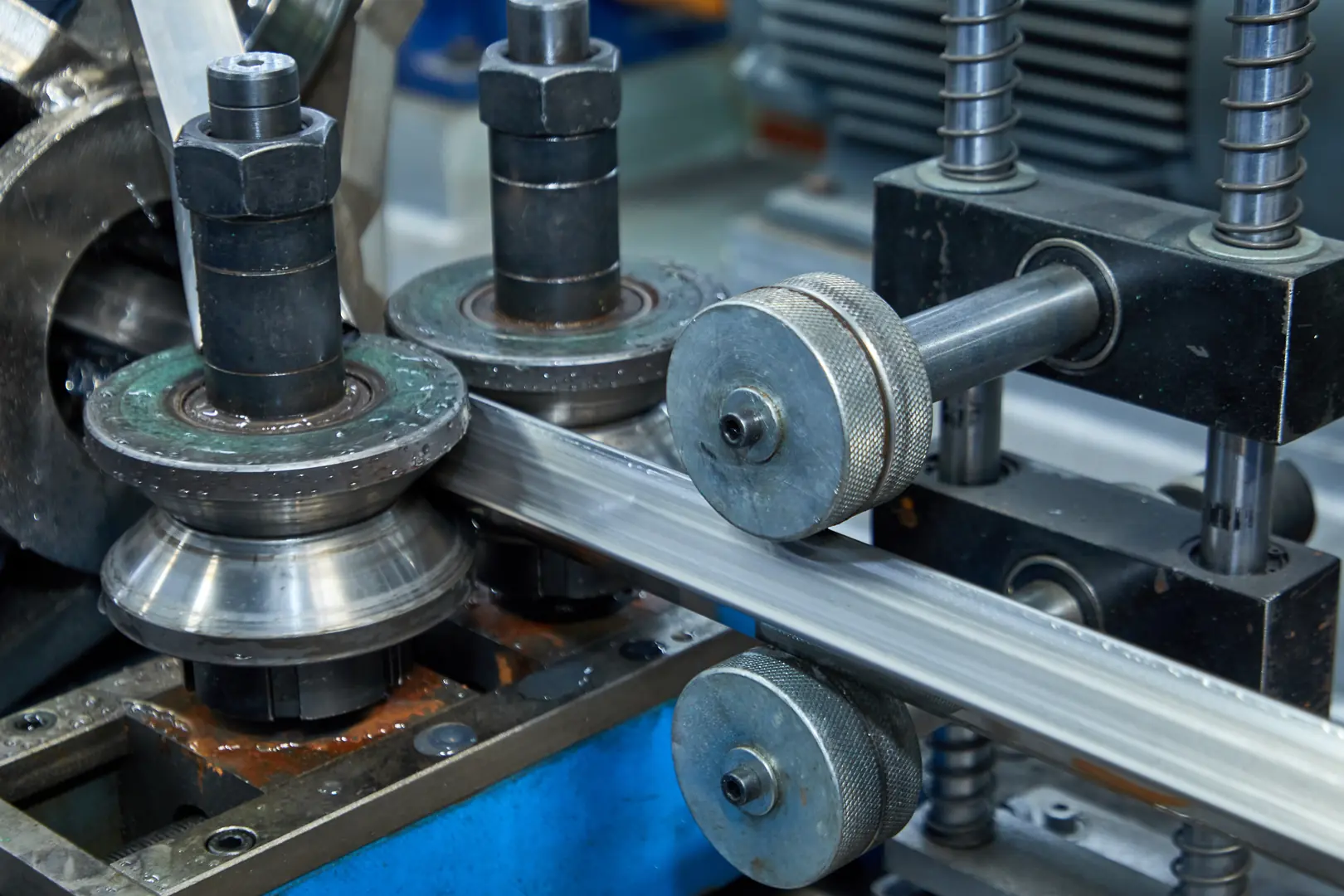
I talk to manufacturers every week, and I hear the same stories. They are stuck with machines that were good ten years ago but are now a major liability. The core problem is that these older systems are fundamentally wasteful by design.
The High Cost of Material Waste
Traditional setups often have low material utilization, sometimes below 80%. When the price of stainless steel is high, that 20% waste is pure loss. This waste comes from wide weld seams, inconsistent forming that requires trimming, and high scrap rates during machine startup.
The Bottleneck of Tooling Changes
Changing from a 2-inch round pipe to a 3-inch square pipe can take hours on an old machine. Every minute of that downtime is lost production. More importantly, the first dozen pipes after a changeover are often scrapped as the operator fine-tunes the settings manually. This is a huge source of hidden waste.
The Inconsistency of Manual Control
Older machines rely heavily on the skill of the operator. A great operator can produce good pipe, but an average one might not. This leads to inconsistent quality, customer rejections, and a stressful production environment.
What Challenges Do Manufacturers Face in Improving Yield?
Trying to squeeze more output from old machines feels impossible. You face pressure to increase yield, but your equipment is the bottleneck, creating constant production headaches and hurting your margins.
Manufacturers face challenges in improving yield due to outdated machinery incapable of handling modern thin-walled or high-strength materials effectively. Other hurdles include a lack of real-time process monitoring, high scrap rates during startup and size changes, and the difficulty in achieving consistent precision tolerances.
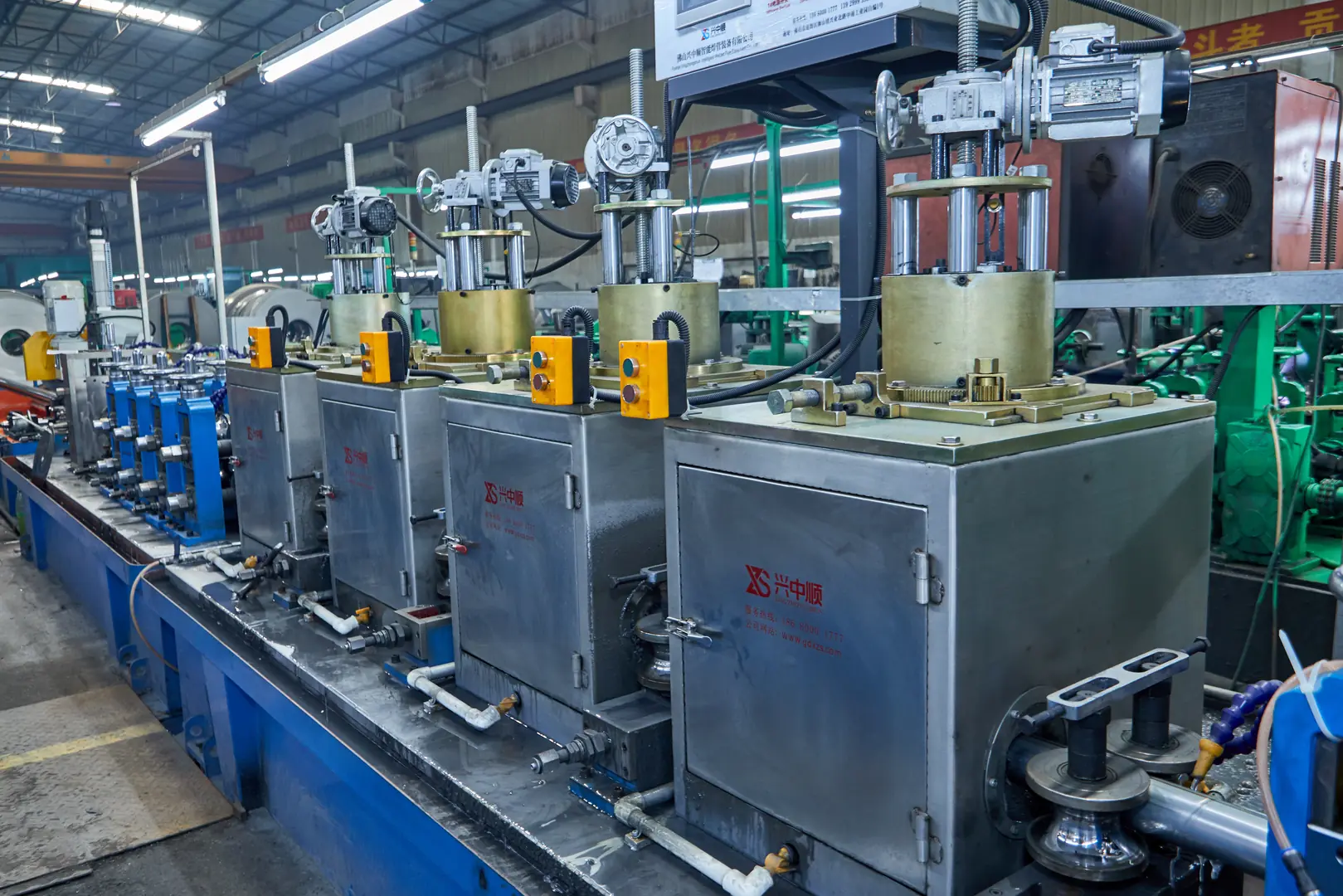
The challenges are not just about speed; they are about capability and control. The market has evolved, but many production lines have not. From my experience, the biggest challenges are rooted in the machine's inability to adapt to modern demands.
Material Complexity
Customers are requesting pipes made from new high-strength alloys or with incredibly thin walls for applications like automotive exhausts and heat exchangers. Older forming sections struggle with these materials, leading to wrinkles, cracks, and high scrap rates. The machine simply can't provide the delicate, precise control needed.
The Data Deficit
How can you improve what you can't measure? Without real-time data from an integrated PLC system, operators are "flying blind." They can't see small deviations in speed, power, or pressure until they produce a bad pipe. This reactive approach is incredibly inefficient. An intelligent line provides constant feedback, allowing for proactive adjustments that prevent scrap before it happens.
The Precision Paradox
The market demands higher precision, like our standard of ≤ ±0.05 mm. However, older machines with worn components and manual controls cannot deliver this consistently. This forces manufacturers into a tough spot: either reject a large portion of their output (lowering yield) or risk shipping out-of-spec products.
How Can You Overcome Yield Challenges with XZS Intelligent Lines?
What if you could turn your biggest yield challenges into a competitive advantage? Instead of fighting your machine, you could have one that actively maximizes material use and boosts your output.
XZS intelligent lines overcome yield challenges by using automated PLC systems and precision-engineered forming rollers to achieve up to 98% material utilization. Our quick-change tooling system minimizes downtime and material waste during size transitions, directly boosting overall output and operational efficiency.
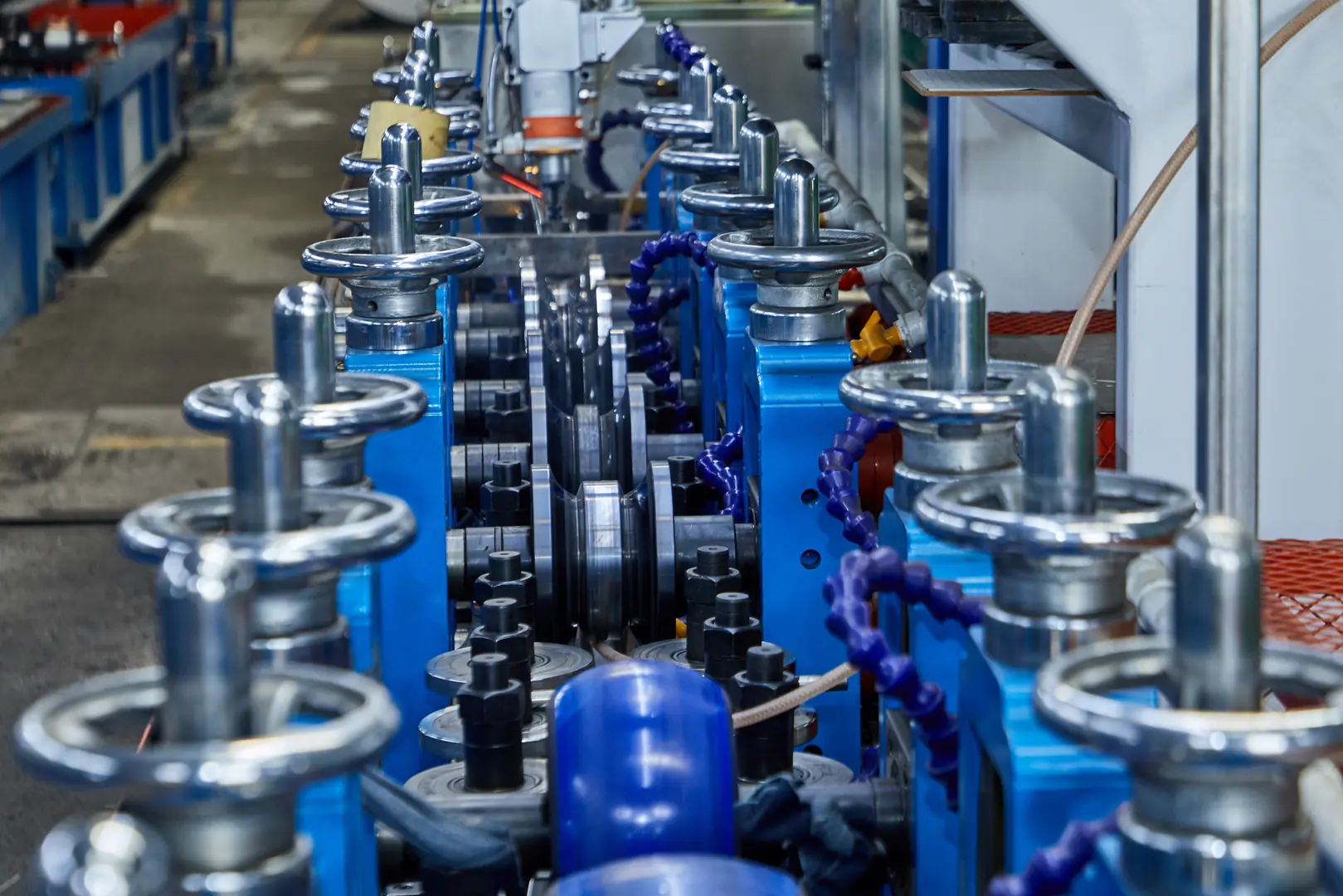
This is where our 15 years of R&D and our ISO 9001-certified processes[^1] come together. We designed our machines to directly solve the problems of waste and inefficiency. It is not just one feature, but the entire system working together that delivers the 20% boost in yield.
Maximizing Material Utilization to 98%
Our roller design and automated controls are optimized in our simulation labs before we ever cut steel. This ensures the forming process is as efficient as possible, minimizing the material needed for the weld seam and eliminating deformation. This high utilization rate provides a massive competitive edge through cost management.
Slashing Changeover Times
Our quick-change tooling system is a game-changer. What used to take hours now takes a fraction of the time. The system is designed for precision and repeatability, so the first pipe after a changeover is a good pipe. Less downtime and less startup scrap mean higher effective yield.
Achieving Unmatched Precision
The foundation of our machines is a robust, heavy-duty frame, machined by CNC for perfect alignment. This rigidity, combined with our PLC-controlled forming process, allows us to guarantee a tolerance of ≤ ±0.05 mm. When every pipe meets spec, your yield is naturally higher because you have zero rejections.
What Are the Technical Recommendations for Implementing XZS Technology Effectively?
Buying new technology is one thing; making it profitable is another. A poor implementation can erase all the potential gains, leaving you with an expensive headache and a missed opportunity.
For effective implementation, we recommend a full turnkey solution approach. This includes a thorough pre-installation site assessment, customized line configuration based on your specific products, and comprehensive on-site training for your operators and maintenance teams to ensure you maximize the machine's capabilities from day one.
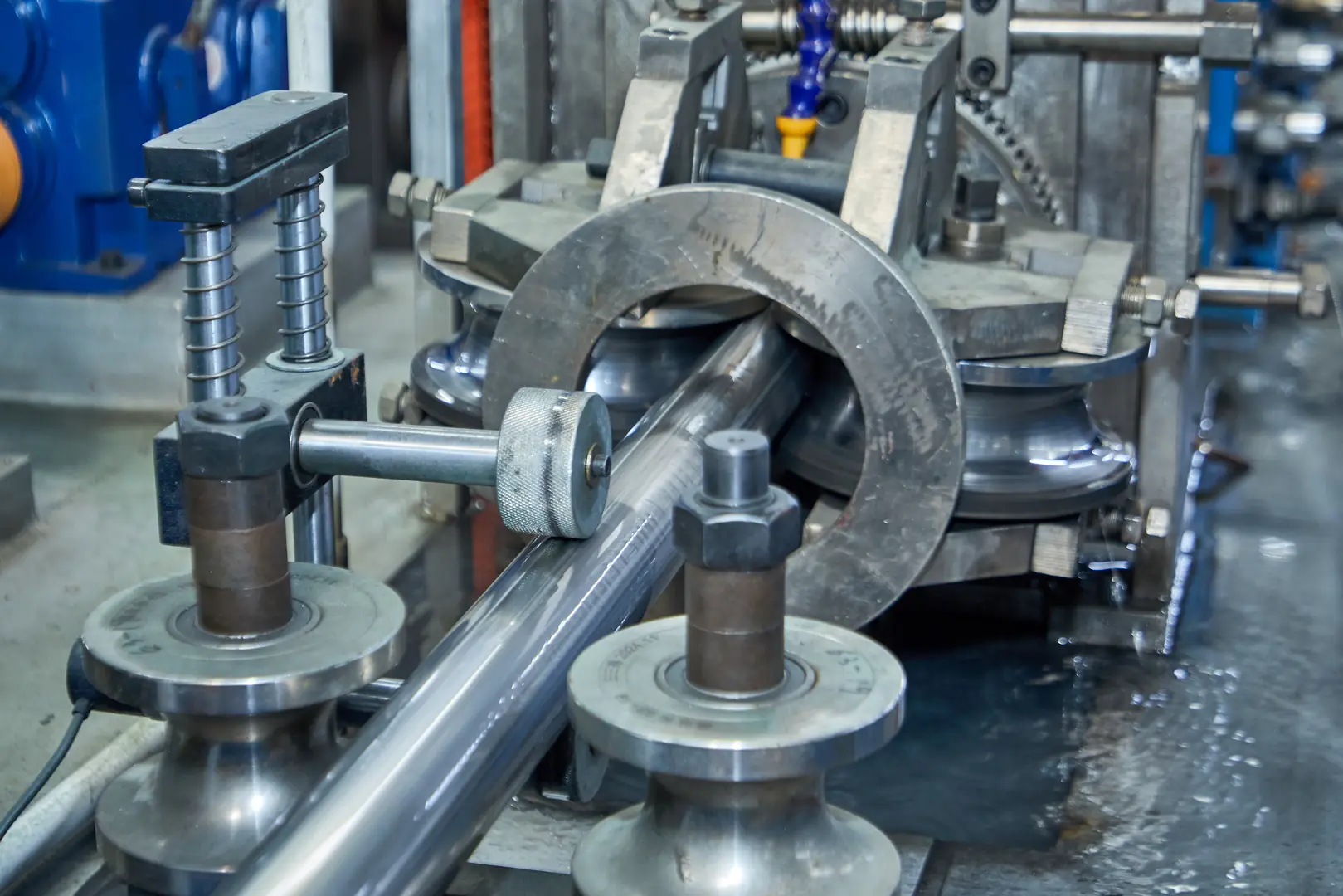
At XZS, we believe our responsibility doesn't end when the machine leaves our factory. We are partners in your success. A successful implementation is about planning, training, and support. We don't just sell machines; we deliver complete, integrated solutions.
Start with a Strategic Audit
Before we recommend a machine, our engineers work with you to understand your products, your factory layout, and your business goals. We offer full OEM/ODM customization because we know a one-size-fits-all approach doesn't work. We design a line that is a perfect fit for your specific needs.
Prioritize Operator Training
A powerful tool is useless in untrained hands. Our after-sales service includes comprehensive on-site training. We ensure your team understands not just how to operate the line, but how to optimize it for different materials and profiles. An empowered team is a productive team.
Plan for Proactive Maintenance
Our machines are built for durability with robust frames and high-quality components. But like any high-performance equipment, they benefit from a proactive maintenance schedule. We provide clear guidelines and support to ensure your line runs at peak efficiency for years to come, maximizing your return on investment.
Заключение
In summary, modern challenges in tube manufacturing demand a technological leap. XZS intelligent lines provide that leap, boosting yield by up to 20% through superior automation, precision, and efficiency. This is not just an upgrade; it is a strategic investment in your company's future profitability and competitiveness.

 Русский
  English