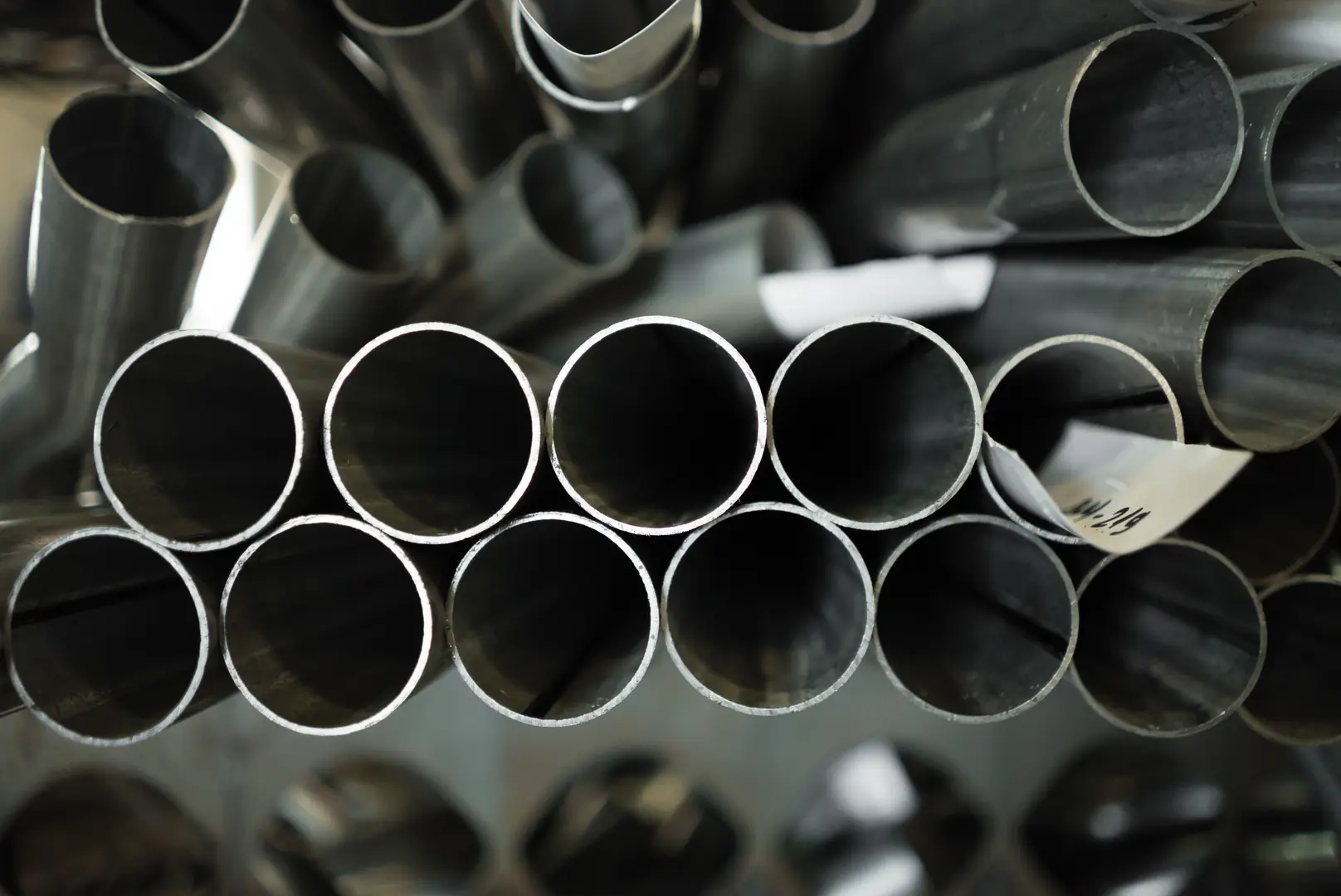
Why Does a 304 Stainless Steel Tube Crack? How XZS Solves This Problem
Your 304 stainless steel tubes are failing unexpectedly. This cracking leads to costly downtime and questions about material integrity. We believe understanding the root cause is the first step to a real solution.
Cracking in 304 stainless steel tubes is primarily caused by Stress Corrosion Cracking (SCC), which results from a combination of tensile stress and a corrosive environment, like chlorides. At XZS, we solve this with precision-engineered machinery that minimizes stress and optimizes the welding process for superior durability.
In my 15 years in this industry, I've seen how a tiny, invisible crack can bring an entire production line to a halt. It’s a frustrating problem, but it’s solvable. It requires a deep look not just at the material, but at the entire manufacturing process—from forming to welding. Let's break down why this happens and how we at XZS have engineered a definitive solution to protect your investment and ensure your product's integrity.
What causes cracks in 304 stainless steel tubes?
Cracks appear without warning, making you question your material's quality and your process. The root cause is often a combination of factors, not just one simple defect.
The primary cause of cracks in 304 stainless steel tubes is Stress Corrosion Cracking (SCC). This occurs when the material is under tensile stress in a specific corrosive environment, often involving chlorides. Manufacturing defects and mechanical fatigue can also be contributing factors.
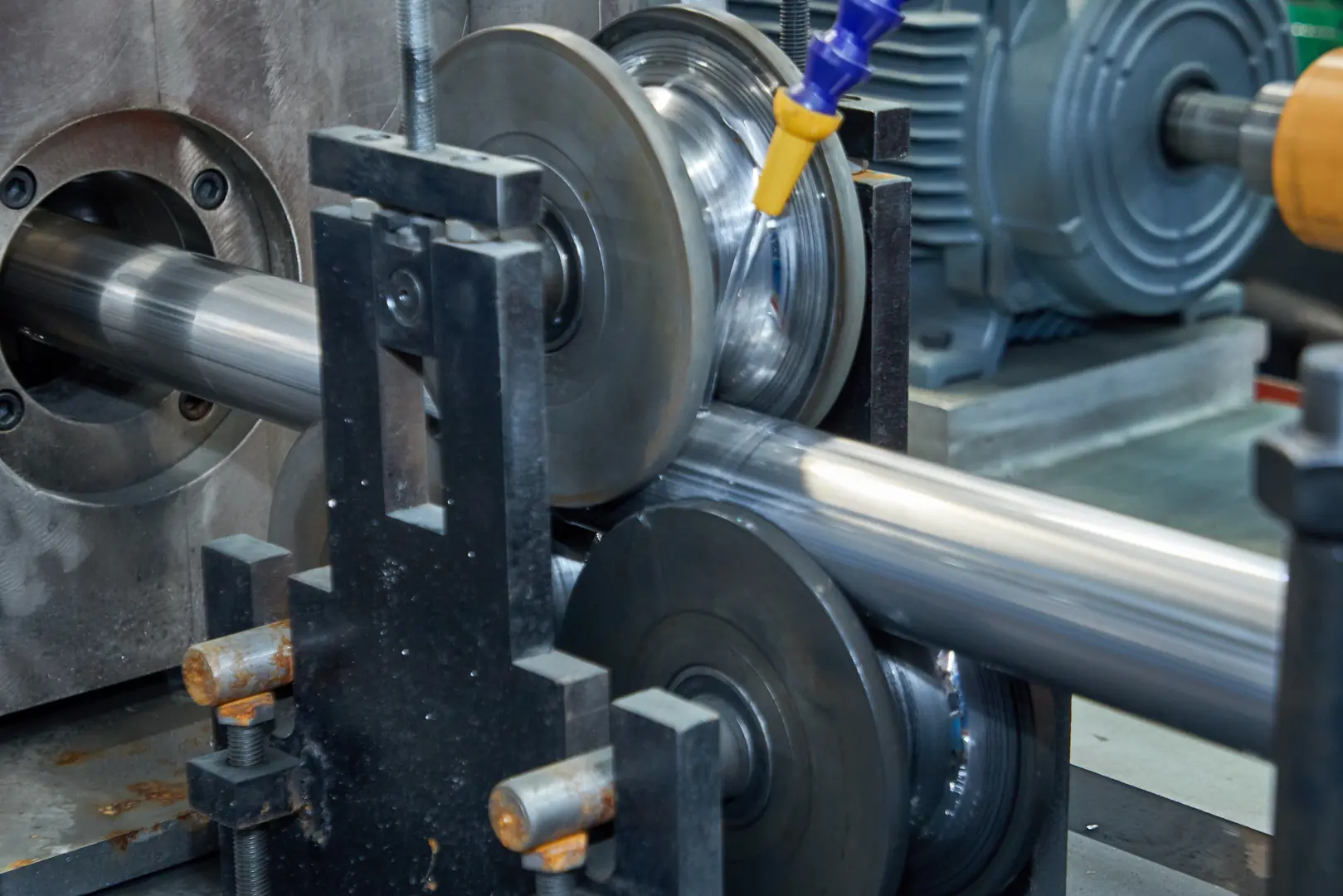
In my experience, about 80% of unexpected failures in 304 tubes trace back to Stress Corrosion Cracking. It's a silent killer for metal components. Think of it as a perfect storm: you need both stress and a specific corrosive agent to be present. The stress doesn't have to be from the application; it can be residual stress[^1] left over from the manufacturing process itself. If the tube forming and welding process isn't precise, it introduces stress points into the metal's structure. These become weak points, vulnerable to attack.
Key Causes of Cracking
| Cause | Описание |
|---|---|
| Stress Corrosion Cracking (SCC) | A combination of tensile stress and a corrosive environment. |
| Manufacturing Stress | Residual stress from improper forming, welding, or cooling. |
| Material Defects | Inclusions or impurities within the raw steel coil. |
| Mechanical Fatigue | Cracking from repeated cycles of loading and unloading. |
At XZS, we focus heavily on controlling manufacturing stress, because that’s the factor we can eliminate with superior machinery.
How do environmental factors contribute to the cracking of 304 stainless steel?
Your tubes look perfect in the factory but fail once installed in the field. The environment they operate in is a silent, aggressive attacker. We'll show you what to watch for.
Environmental factors, particularly the presence of chlorides, high temperatures, and moisture, significantly accelerate Stress Corrosion Cracking in 304 stainless steel. These elements create a corrosive cocktail that attacks the metal's structure, leading to microscopic cracks that grow over time.
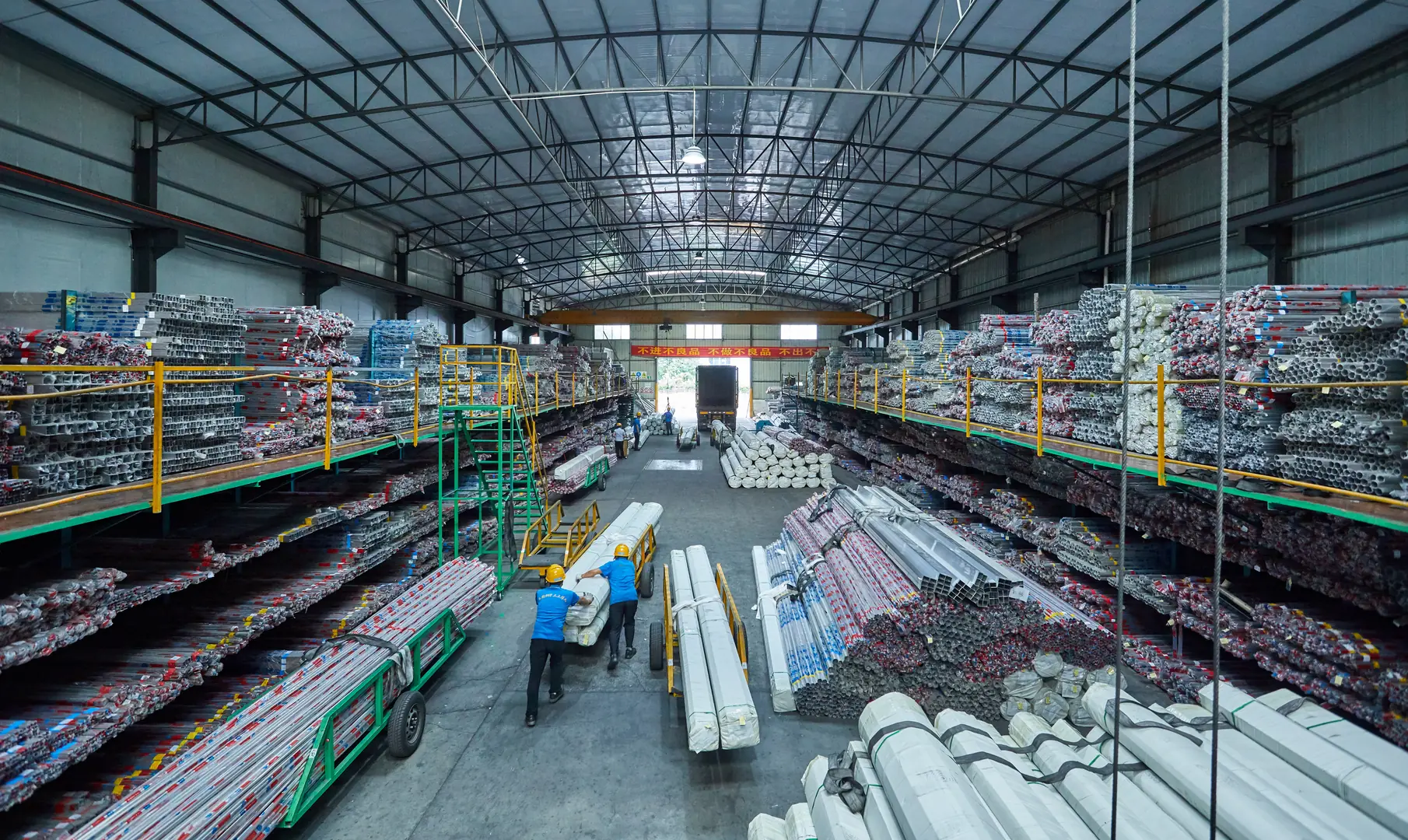
The environment is a critical piece of the puzzle. A 304 tube that would last for decades in a dry, indoor setting might fail in months in a coastal or chemical-processing environment. Based on industry studies I've followed, chloride-induced SCC[^2] can slash the service life of a component by up to 50%. Chlorides are found everywhere—in seawater, de-icing salts, and even in some industrial chemicals. When combined with temperatures above 60°C (140°F), the risk of SCC increases dramatically. This is why we see this issue so often in applications like automotive exhaust systems, heat exchangers, and HVAC systems in coastal regions. The constant exposure to heat, moisture, and potential chlorides creates the exact conditions needed for SCC to thrive. Understanding your end-user's environment is crucial for manufacturing a tube that will actually last.
What are the consequences of cracks in stainless steel tubes in industrial applications?
A tiny crack seems minor at first. But in an industrial setting, it can lead to catastrophic system failure. The consequences extend far beyond the cost of a single replacement tube.
The consequences of cracked stainless steel tubes are severe, ranging from leaks and system failures to production shutdowns and safety hazards. In industries like automotive or HVAC, a single failure can lead to costly recalls, reputational damage, and significant financial losses.
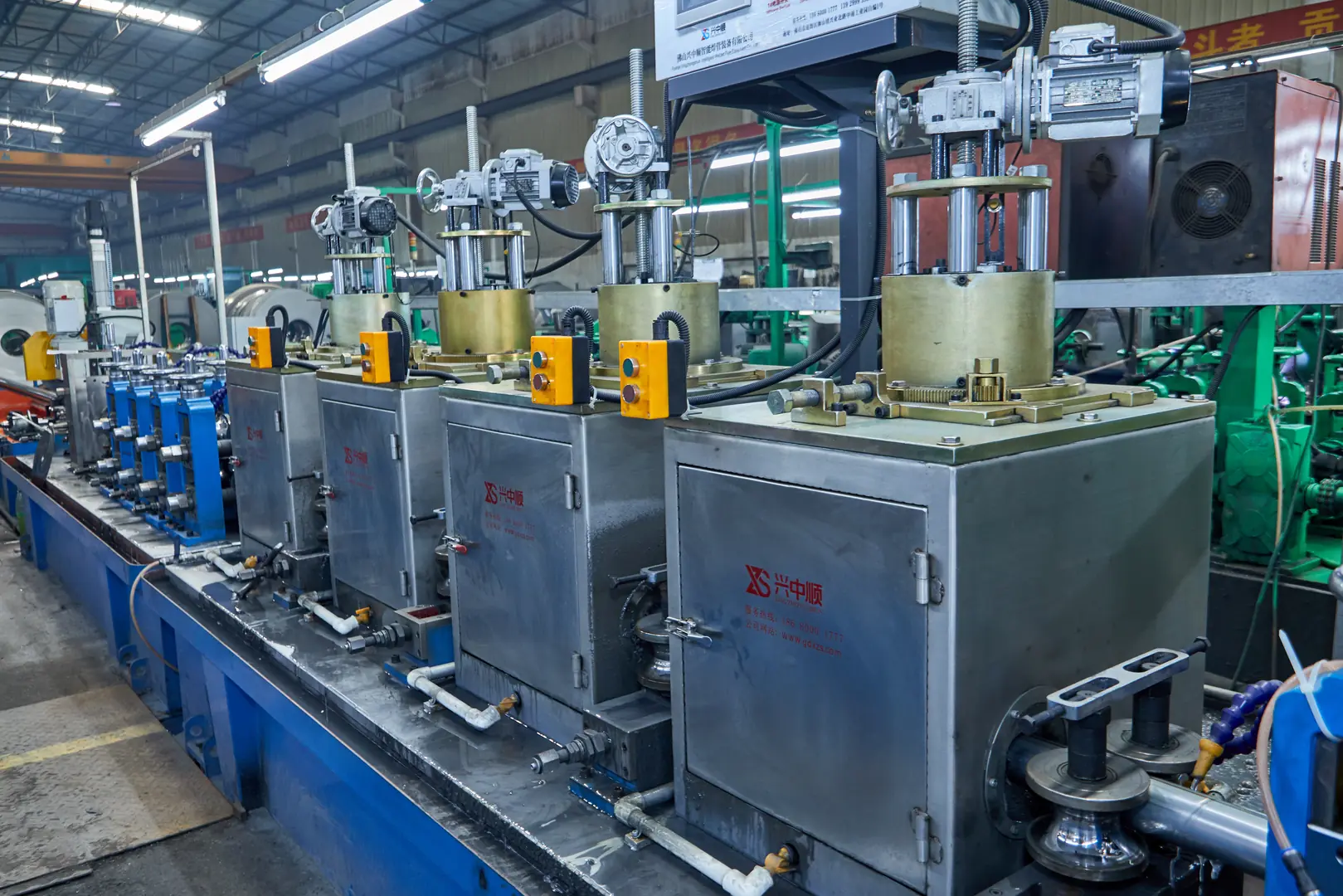
I once visited a client in the food processing industry whose entire production line was shut down for two days. The cause? A single cracked stainless steel tube in their pasteurization system led to a leak, contaminating a huge batch of product. The financial loss was immense. This story illustrates the cascading effects of what seems like a small problem.
The True Cost of a Crack
- Operational Consequences: Unplanned downtime is the most immediate cost. Every minute your line isn't running, you're losing money. It also leads to production delays and can strain relationships with your customers.
- Financial Consequences: Beyond downtime, there are costs for repair, replacement, and potentially product recalls. If a failure leads to property damage or personal injury, the liability can be devastating.
- Safety Consequences: In high-pressure applications like oil and gas or chemical transport, a cracked pipe isn't just a leak—it's a serious safety hazard that can lead to explosions or exposure to toxic materials. A brand's reputation for safety and reliability is on the line.
How does XZS address the issue of cracks in 304 stainless steel tubes?
You know the problem, but finding a reliable solution is hard. Many promise quality, but few deliver. Our approach is built on 15 years of precision engineering experience.
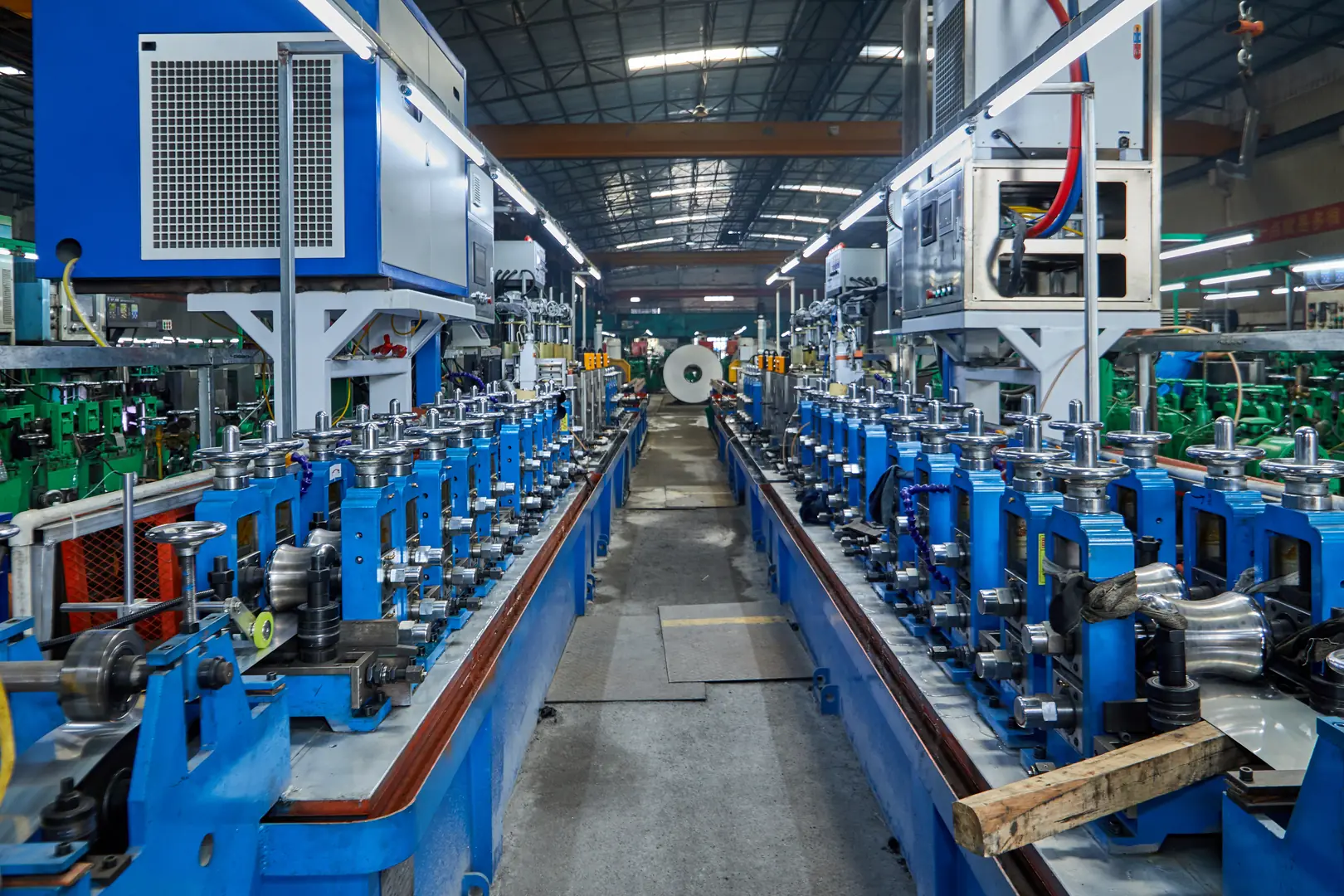
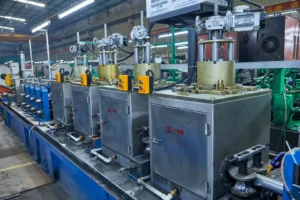
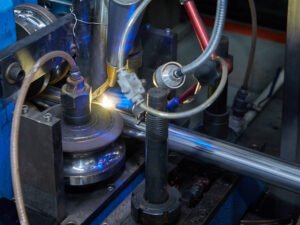
XZS addresses tube cracking through superior machine design. Our tube mill lines use high-frequency welding and robust CNC-machined frames to minimize residual stress. Our fully automated PLC systems ensure consistent quality, producing tubes with superior structural integrity and resistance to SCC.
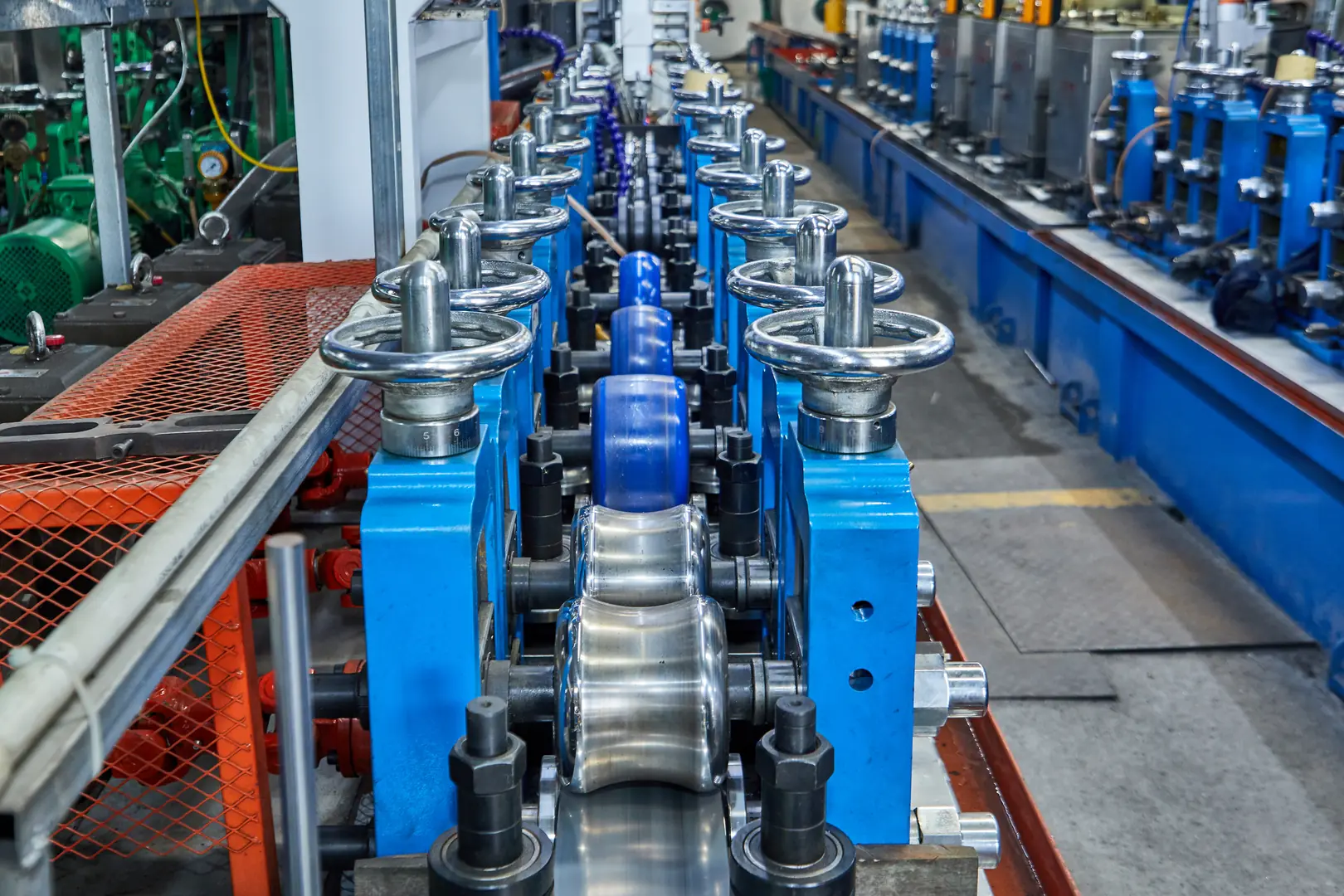
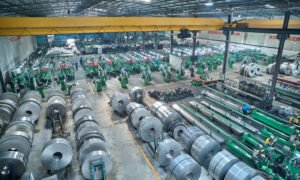
We don't just sell machines; we provide an engineered solution to a critical industry problem. Our entire philosophy is built around creating the most stable and precise manufacturing process possible, because that is the key to eliminating the residual stress that causes cracking. Our 20,000 m² smart factory and advanced simulation labs allow us to perfect every component of our tube mills. We've focused on several key technologies that directly combat the root causes of SCC.
| XZS Feature | How It Prevents Cracks |
|---|---|
| High-Frequency Welding | Creates a strong, uniform weld with a minimal heat-affected zone, which drastically reduces stress points. |
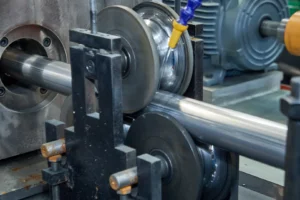
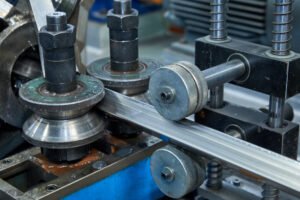
| CNC-Machined Frames | Our robust frames guarantee perfect alignment and stability, minimizing mechanical stress during the forming process. |
| Automated PLC Control | Ensures every parameter is consistent, tube after tube, eliminating human error and producing uniformly strong products. |
| Precision Quick-Change Tooling | Our tooling ensures a smooth forming process, preventing the surface defects that can become crack initiation sites. |
By controlling these factors, we produce tubes with up to 98% material utilization and precision tolerance of ≤ ±0.05 mm, ensuring every tube is built for durability.
What are the best practices for preventing cracks in stainless steel tubes?
Solving the problem isn't just about the machine; it's about the entire process. Are you following best practices? We'll share our expert recommendations to ensure longevity.
Best practices for preventing cracks include selecting the right steel grade for the application, precisely controlling the manufacturing process to minimize residual stress, and proper handling and installation. Regular inspection and maintenance are also crucial for early detection.
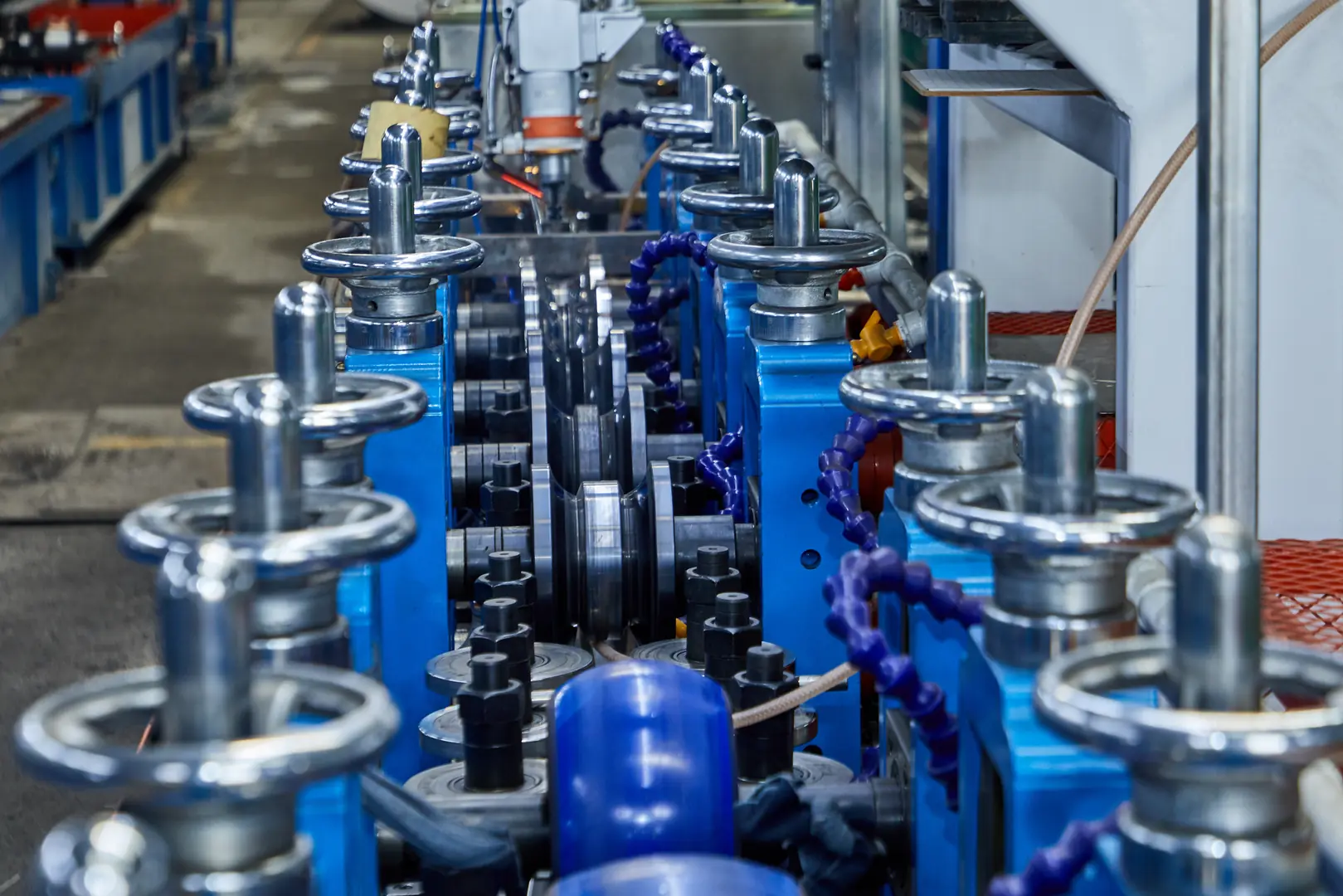
A world-class tube mill is the foundation, but a holistic approach ensures the best results. At XZS, we advise our partners to think about the entire lifecycle of their products. Here are some of the best practices we have developed over the years.
Material Selection
It starts with the raw material. While 304 is a great general-purpose steel, for highly corrosive environments (like marine applications), you might consider a grade with higher molybdenum content, like 316, which has better chloride resistance. Always match the material to the end-use environment.
Управление процессом
This is where our machinery shines. Your goal should be to create the smoothest, most stable forming and welding process possible. Monitor your welding parameters, cooling rates, and roller alignment closely. A stable process, like the one our automated PLC systems provide, is the single best way to minimize the residual stress that leads to SCC.
Post-Manufacturing Care
Even a perfectly made tube can be damaged. Ensure proper handling, storage, and installation procedures to avoid introducing surface scratches or mechanical stress that could become future failure points.
Заключение
Cracking in 304 stainless steel tubes is a complex problem, primarily driven by Stress Corrosion Cracking. It requires a focus on both environmental factors and, most critically, the manufacturing process. XZS machinery is engineered to minimize residual stress, producing durable, crack-resistant tubes that ensure operational reliability and a strong ROI.

 Русский
  English