Understanding a Tube Mill's Function: From Raw Steel to High-Profit Pipes
Struggling to see how raw steel becomes valuable pipe? The process seems complex, but it's a direct path to profit when you understand the key stages of transformation.
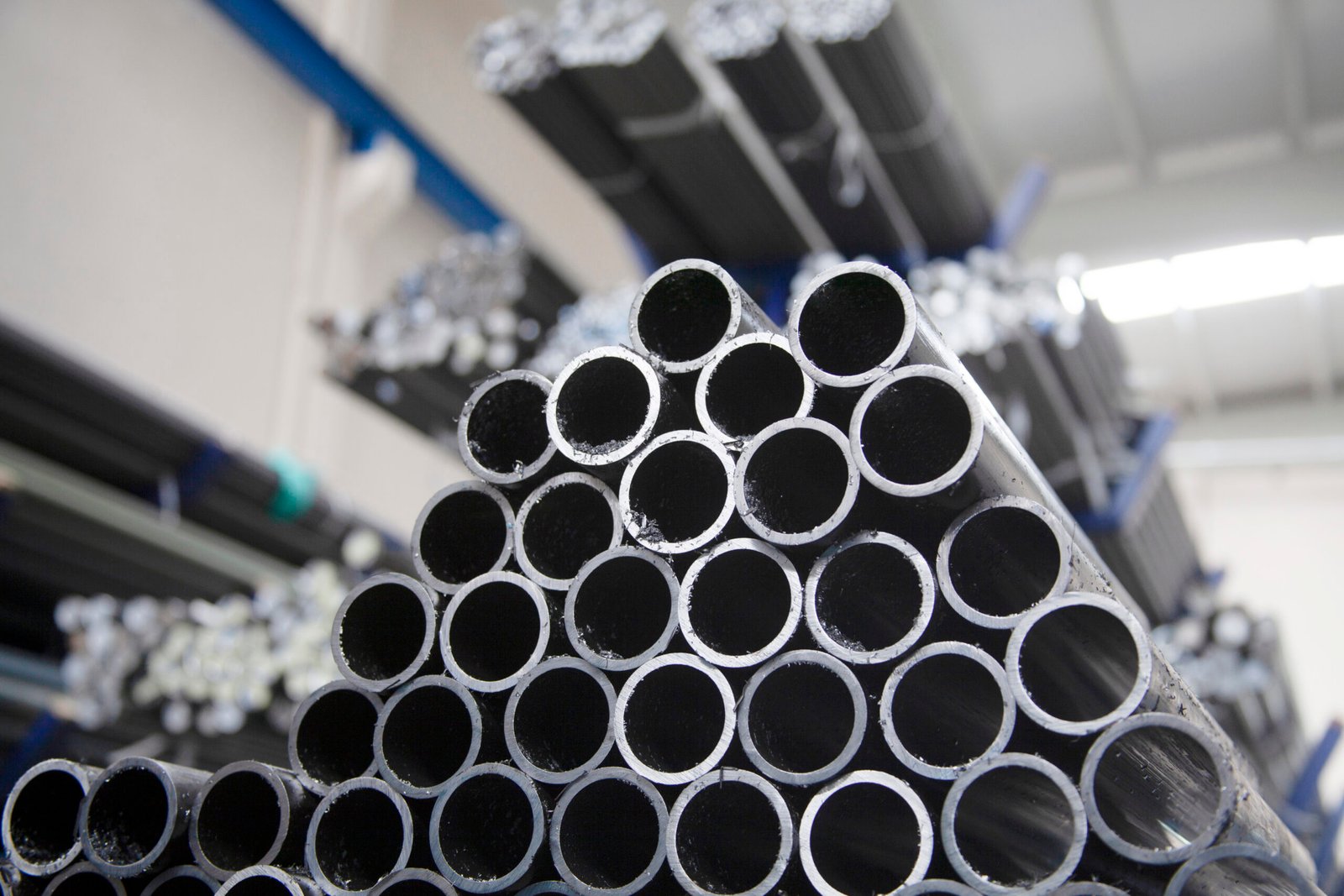
A tube mill functions by systematically transforming a flat steel coil into a finished pipe. It uncoils, forms, welds, sizes, cuts, and finishes the steel in a continuous, automated process, converting a low-cost raw material into a high-value, precision-engineered product ready for market.
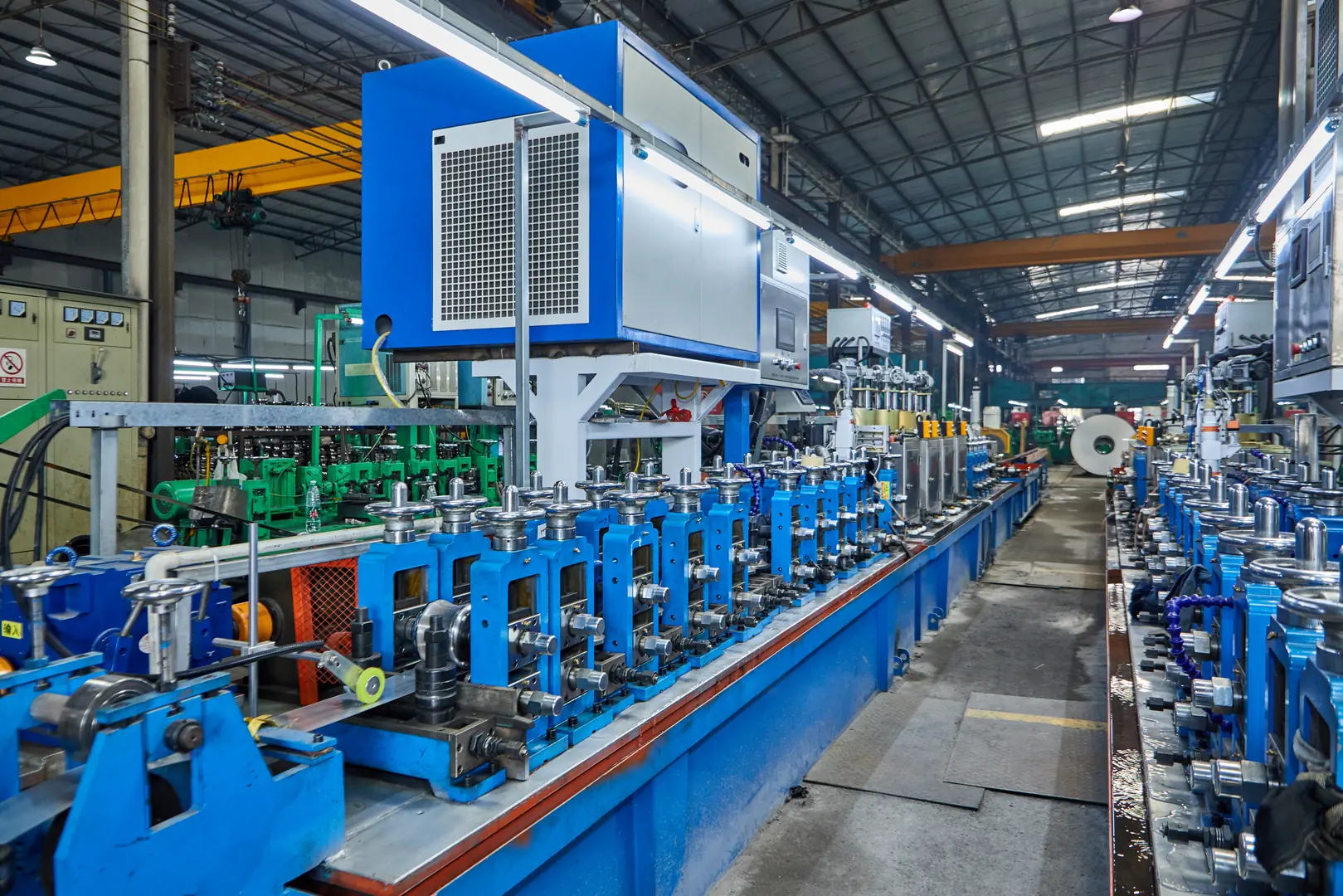
In my 15 years at XZS, I've seen this transformation firsthand. It's not magic; it's a sequence of precise engineering steps. This process is pivotal for industries from automotive to construction, where demand for precision pipes is projected to grow by 5% annually. Let's break down exactly how our machines achieve this, step by step, to maximize your profitability.
What is the First Step in Preparing Raw Steel for a Tube Mill?
Starting with a poor-quality coil? This guarantees scrap and lost profits. Proper preparation is the non-negotiable foundation for a high-quality final product and efficient production runs.
The first step is uncoiling and preparing the raw steel strip. This involves loading a steel coil onto an uncoiler, feeding it into a shear and end welder to create a continuous strip, and storing it in an accumulator to ensure uninterrupted production.
Everything starts with a solid foundation. In tube manufacturing, that foundation is a perfectly prepared, continuous steel strip. This initial stage is all about preventing interruptions that cause costly downtime and material waste.
The Uncoiler and Accumulator
First, we load a heavy steel coil onto a double-head uncoiler. While one side is feeding the line, my team can be loading the next coil on the other side. When a coil runs out, we don't stop the machine. A shear and end welder quickly joins the end of the old coil to the start of the new one. This new, continuous strip feeds into a horizontal accumulator, which acts as a buffer. It stores enough steel strip to keep the forming and welding sections running at full speed while the welding of the new coil takes place. This seamless process is the first step toward achieving the high material utilization, up to 98%, that our XZS lines are known for.
How is the Steel Formed and Welded into a Tube?
An improper weld seam can ruin an entire batch. The forming and welding stage is where the pipe takes its shape and gains its strength; precision here is absolutely critical.
The flat steel strip is progressively shaped into a round profile by a series of forming rollers. It then passes through a high-frequency induction welder, which heats the edges and forges them together to create a strong, seamless weld without filler material.
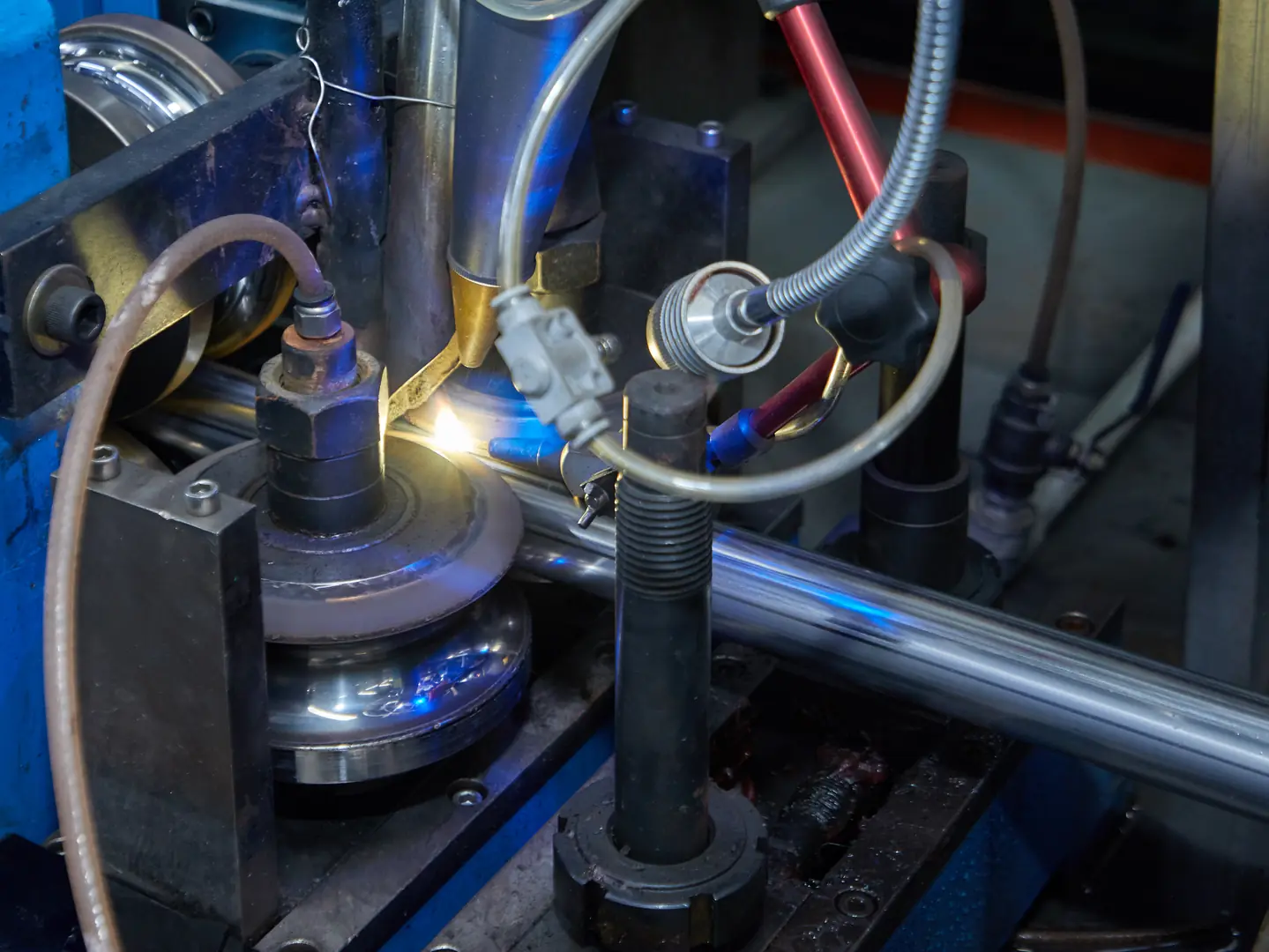
This is where the real transformation happens. The flat, unassuming strip of steel begins to take the shape of a high-value product. From my experience, the quality of this stage dictates the final strength and integrity of the entire pipe.
From Flat to Round
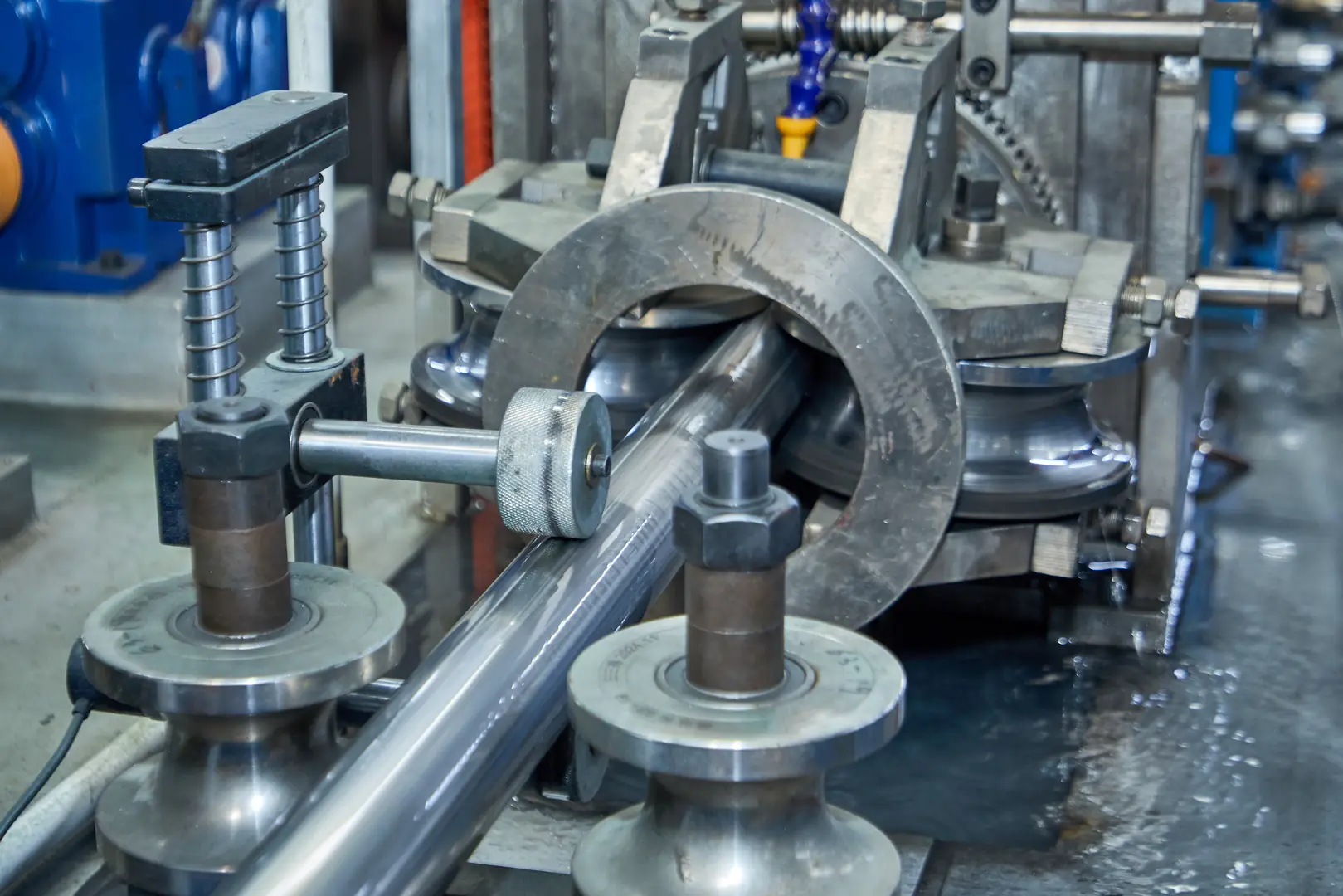
The steel strip first enters the forming section of the mill. Here, a series of meticulously designed horizontal and vertical rollers gradually bend the strip's edges upwards. Each roller station makes a small change, slowly curling the steel until it forms an open-seam tube. This gradual process prevents stress on the material.
The Power of High-Frequency Welding
Next, the open-seam tube enters the welding station. We use an energy-saving high-frequency (HF) solid-state welder. This technology is efficient and precise. It generates an electric current that travels along the edges of the seam, heating them to a forging temperature in milliseconds. Squeeze rollers then press the molten edges together, creating a powerful, clean weld. This is a true forge weld—stronger than the parent material itself.
Why is Sizing and Shaping Necessary After Welding?
A welded tube isn't a finished product. Without precise sizing, it won't meet client specifications, leading to costly rejections and damaging your reputation in the market.
Sizing and shaping are critical for achieving the exact final dimensions and profile (round, square, or rectangular) required by the customer. A series of sizing rollers refines the tube's diameter and straightness to meet tight tolerances, ensuring product quality and consistency.
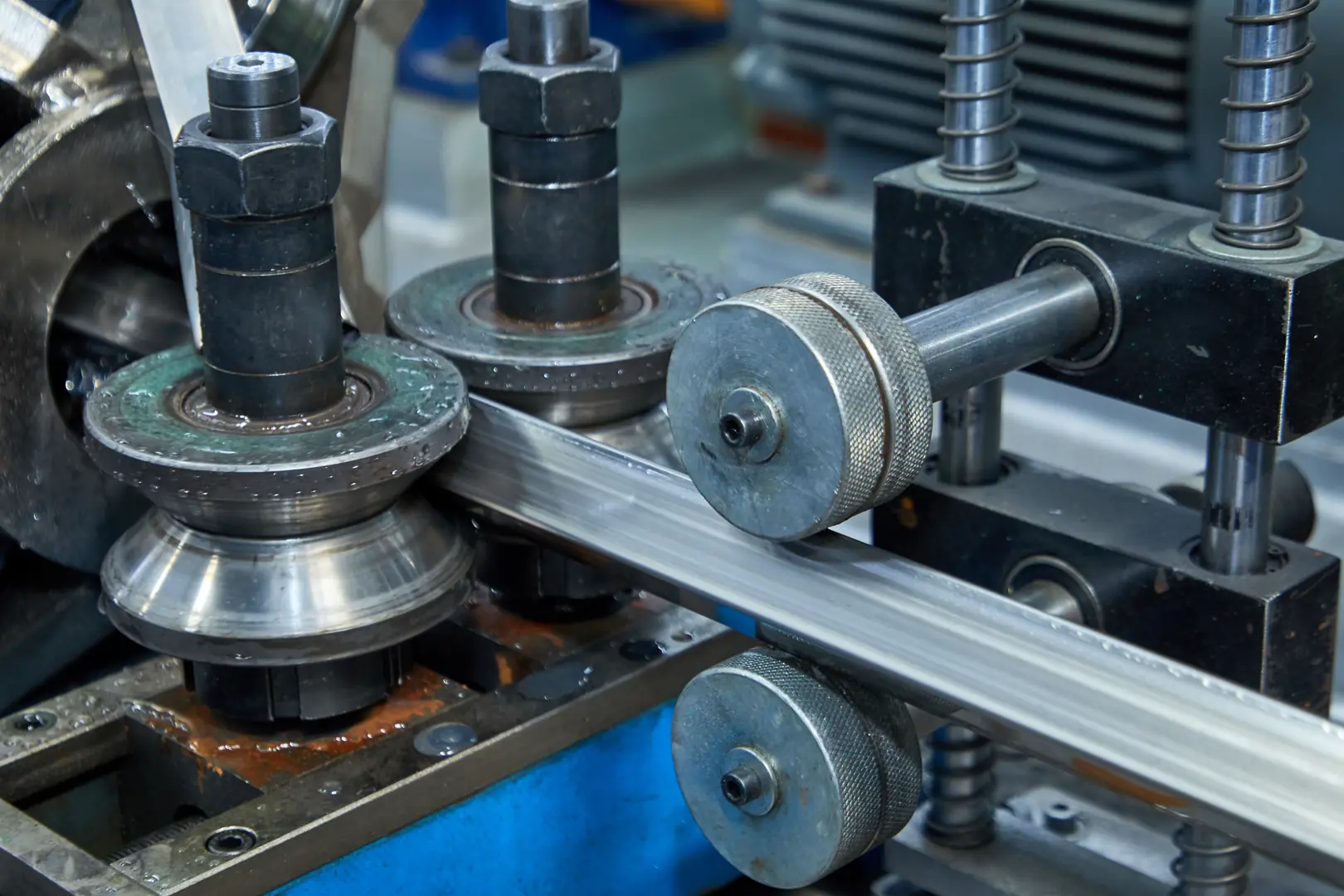
After welding, the tube is close to its final shape, but "close" isn't good enough for our clients in the automotive or sanitary-ware industries. This is where we deliver on the promise of precision. The sizing section is what allows us to guarantee performance and fit.
Achieving Precision Tolerances
The tube, still hot from welding, passes through a cooling trough before entering the sizing mill. Similar to the forming section, a series of rollers makes final, minute adjustments to the tube's profile. This is how we achieve our industry-leading precision tolerance of ≤ ±0.05 mm. This level of accuracy is non-negotiable for high-performance applications. To meet diverse market demands, our XZS lines feature quick-change tooling. This allows our clients to switch between different pipe sizes and shapes (like square or rectangular) quickly, maximizing their production flexibility and profitability.
| Характеристика | Standard Mill | XZS Precision Mill |
|---|---|---|
| Толерантность | ±0.1 mm | ≤ ±0,05 мм |
| Переналадка инструмента | 4-6 Hours | 1-2 Hours |
| Profile Options | Limited | Round, Square, Rectangular |
What Happens During the Polishing and Finishing Stage?
Your pipe is strong, but is it sellable? A rough surface can be a deal-breaker for many applications. Finishing is what gives your product its final market appeal and value.
Polishing and finishing involves removing the external weld bead, smoothing the surface with grinding or polishing heads, and cutting the continuous tube to specific lengths. This stage ensures the pipe has the required surface quality and dimensions for its intended application.
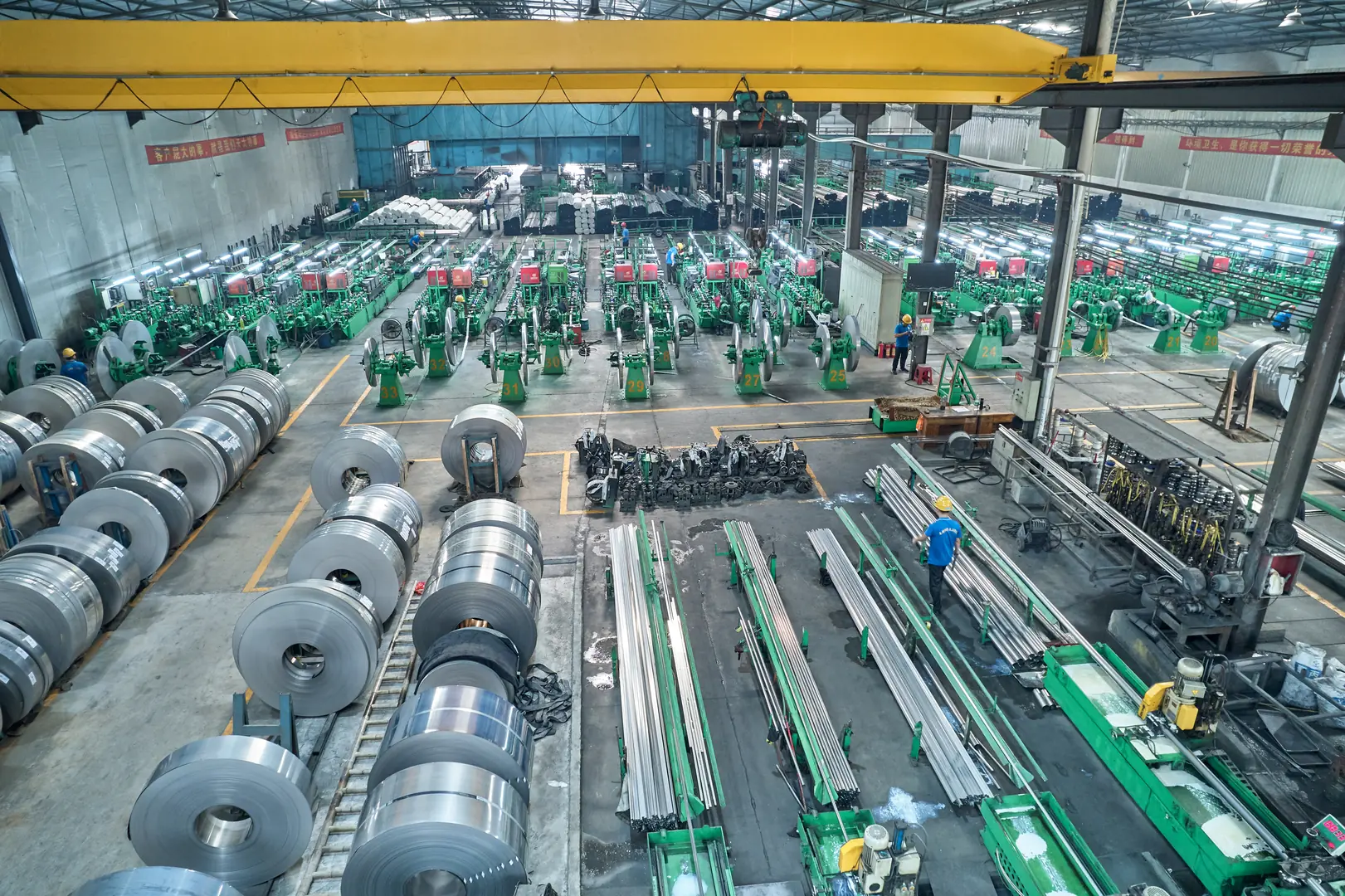
The final touches make all the difference. A perfectly engineered tube can be rejected if the finish isn't right. This is especially true for our clients in the furniture and decorative-tube markets, where appearance is just as important as structural integrity. At XZS, we provide complete turnkey solutions, which include robust finishing equipment. After the weld bead is scarfed off, the tube can be sent to one of our automatic polishing machines. These machines use a series of abrasive belts or buffing wheels to create a smooth, clean, or even mirror-like surface, depending on the client's needs. Finally, a computer-controlled flying cutoff saw cuts the continuous tube into precise, pre-programmed lengths without ever stopping the production line. This final step ensures every pipe that leaves the factory is not just strong and precise, but also ready for immediate use or sale.
How Do You Ensure Quality Control and Maximize Profit Margins?
Producing pipe is one thing; producing profitable pipe is another. Without strict quality control, material waste and defects will erode your margins and undermine your entire operation.
Quality control involves continuous monitoring throughout the production line, from material input to final dimensions. Profit margins are maximized by using efficient, automated machinery that ensures high material utilization (up to 98%), minimizes scrap, and produces consistently high-quality pipes.
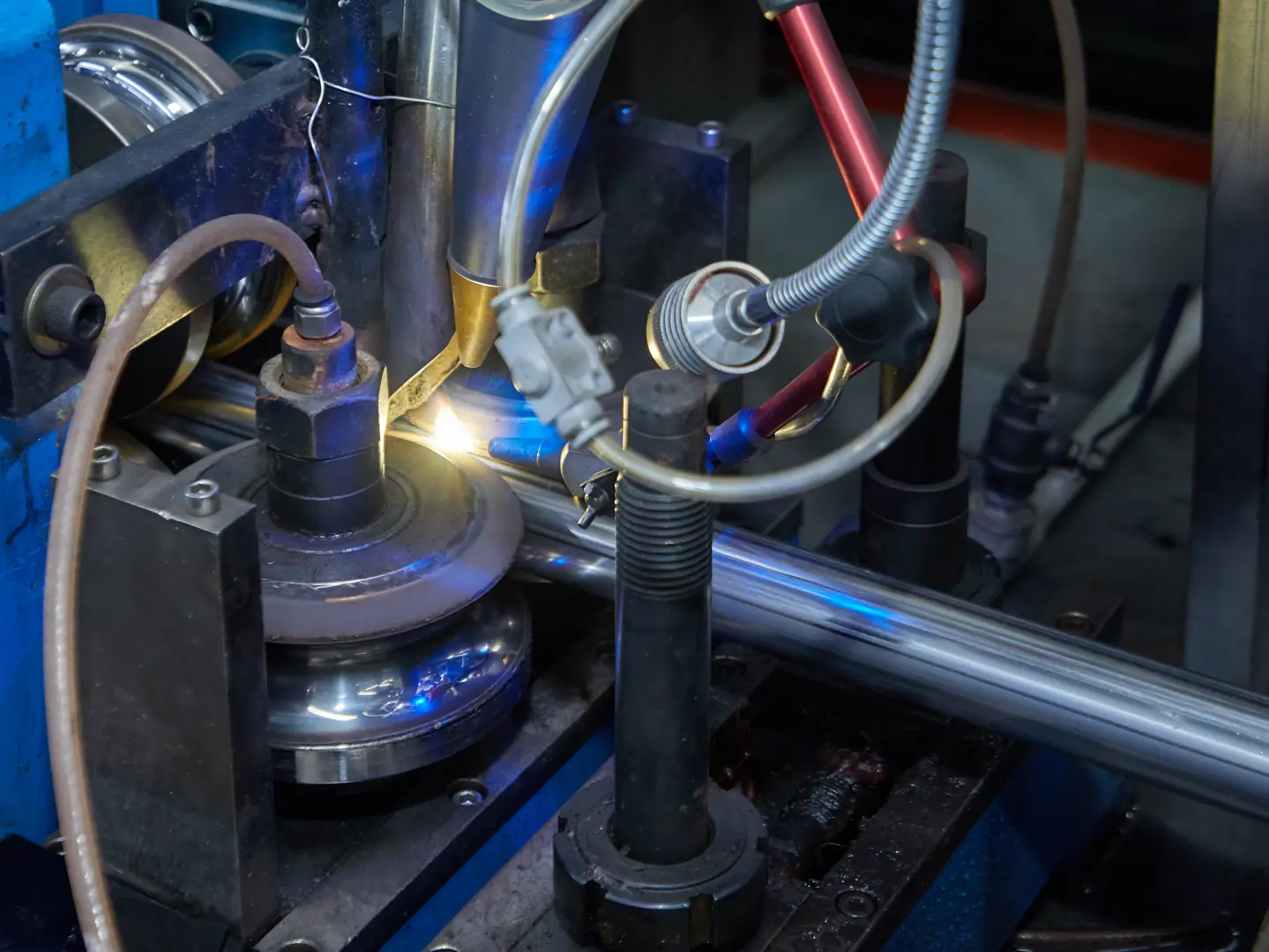
In my view, profit is a direct result of quality and efficiency. Every decision we make at our 20,000 m² smart factory is guided by our strict adherence to [ISO 9001](#placeholder_2)[^4][^1] quality management. This philosophy is built into every machine we design. Our production lines are equipped with fully automated PLC and touch-screen control systems[^2]. This allows a single operator to monitor the entire process, making real-time adjustments to ensure every meter of pipe meets our exacting standards. This automation, combined with the durability of our CNC-machined frames, reduces labor costs and minimizes errors. By optimizing every step—from saving energy with HF welding to maximizing material use with continuous operation—we turn the process of manufacturing into a highly profitable venture. Investing in a reliable, efficient production line is the most direct way to secure your competitive advantage and capitalize on growing market demand.
Заключение
A tube mill transforms raw steel into a high-profit product through a five-step process: preparation, forming/welding, sizing, finishing, and quality control. Investing in precise, automated machinery is the key to maximizing efficiency, quality, and your return on investment in a growing market.



 Русский
  English