Welded Roll Forming System vs. Tube Mills: Which is Better for Your Application?
Struggling to choose between a welded roll forming system[^1] and a tube mill[^2]? Making the wrong choice can cripple your efficiency, precision, and ultimately, your bottom line.
The best choice depends on your specific needs. Welded roll forming systems excel at high-volume production of standard profiles, prioritizing speed and cost-efficiency. In contrast, tube mills offer superior precision and versatility for complex shapes and applications where tight tolerances are non-negotiable.
In my 15+ years in this industry, I've seen companies invest heavily in the wrong machinery, and it's a costly mistake. The key is to look past the machine names and focus on what they actually do and how that aligns with your production goals. Let's dive deeper into the critical differences to ensure you make a smart, profitable investment for your business.
What are the key differences between welded roll forming systems and tube mills?
The terms sound similar, causing confusion. But mistaking one for the other can lead you to buy equipment that is completely wrong for your product line and quality standards.
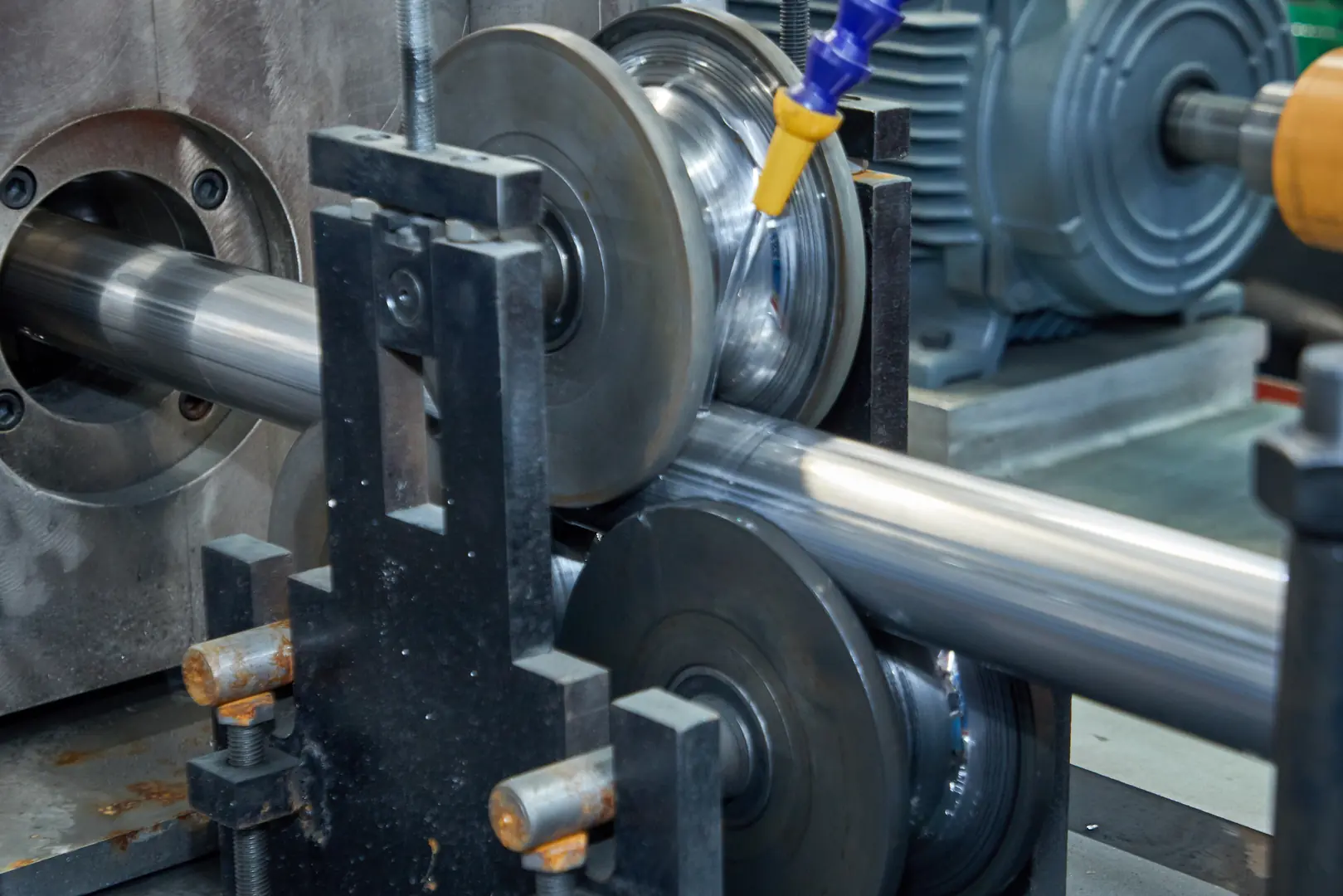
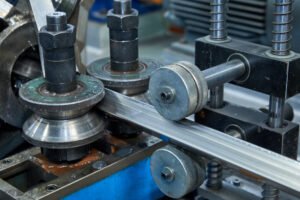
The fundamental difference lies in the process and specialization. A tube mill is a complete, integrated line designed specifically to form, weld, and size closed-section tubes. A roll forming system progressively bends metal strip into a profile, which may or may not be welded.
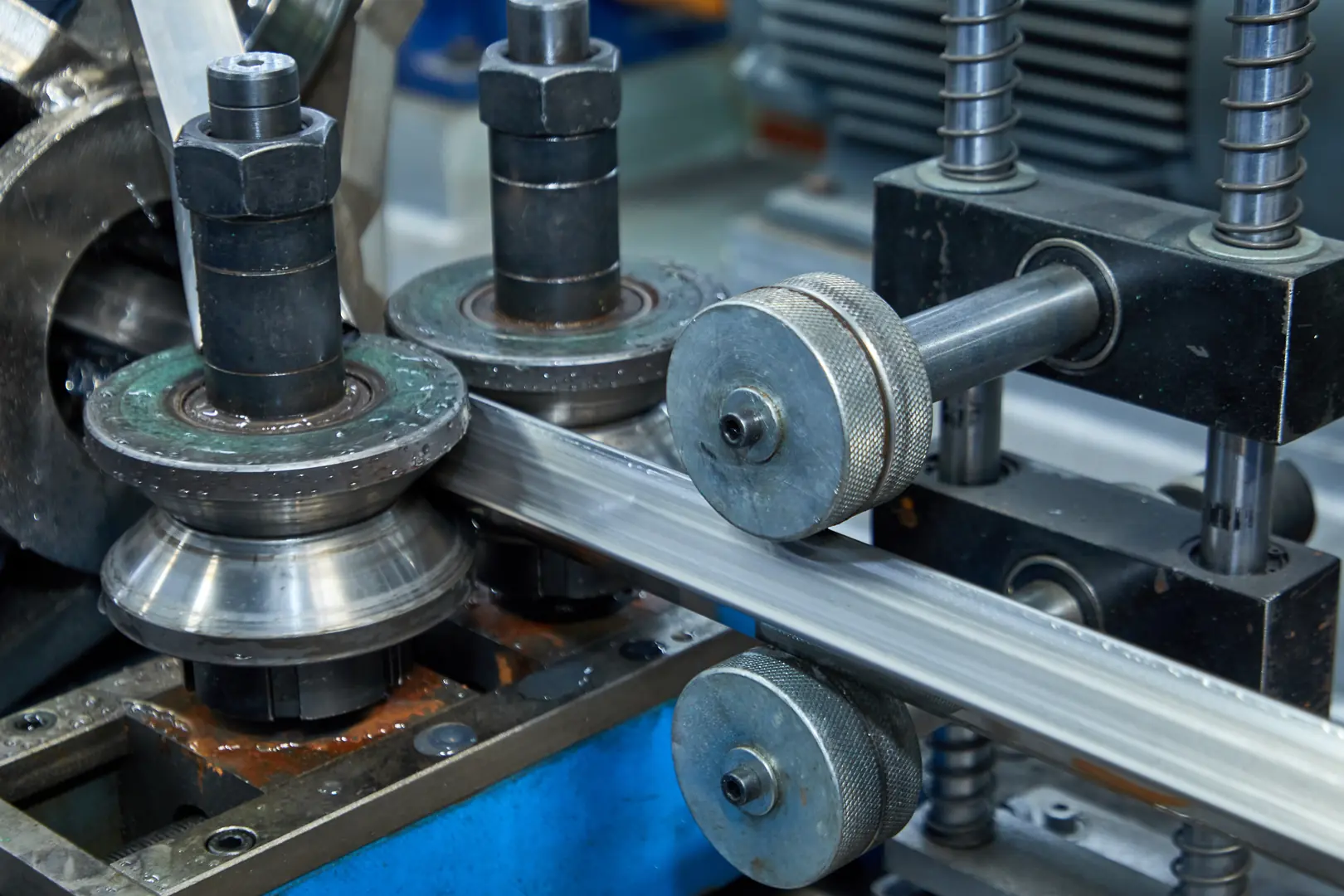
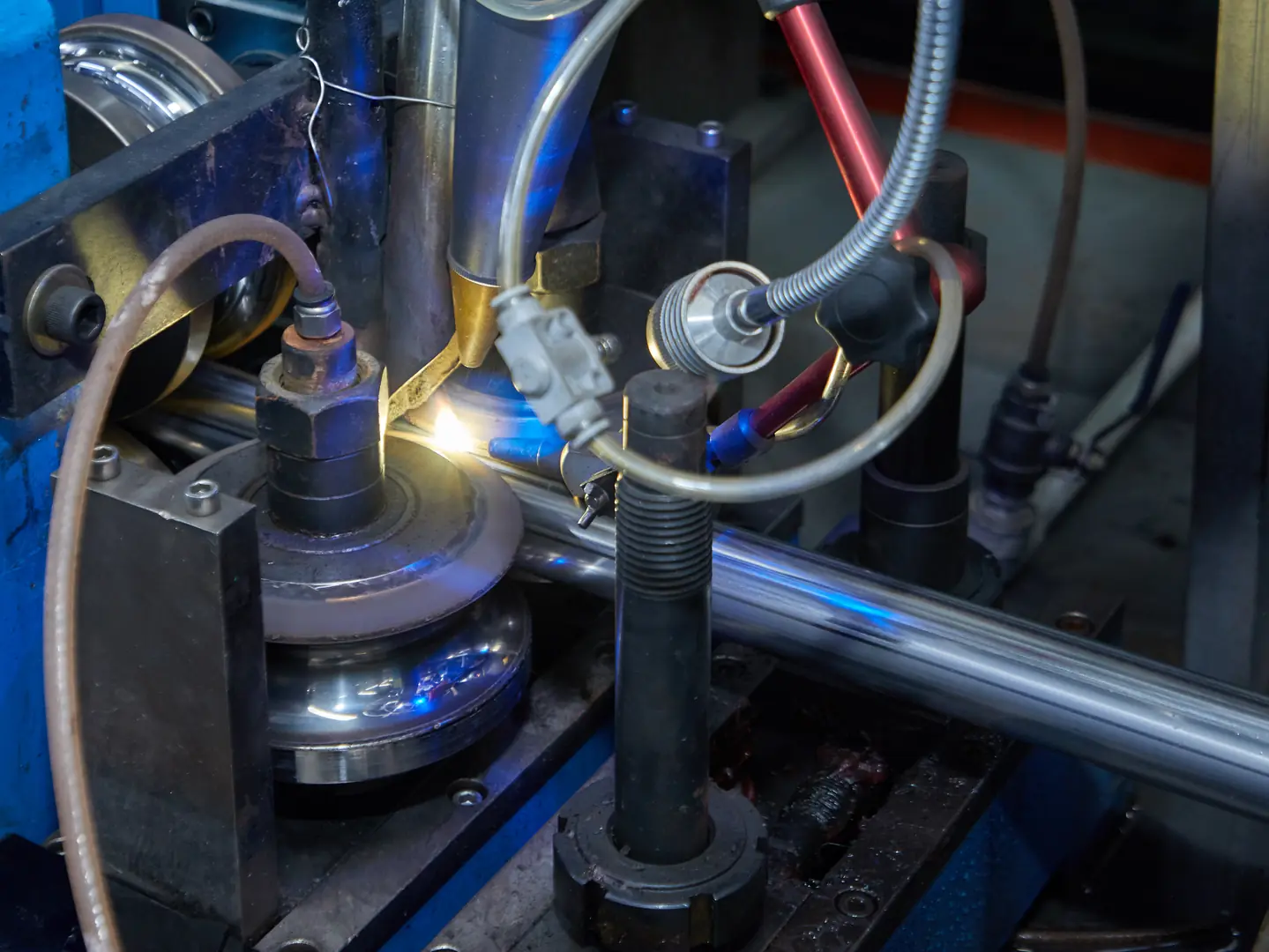
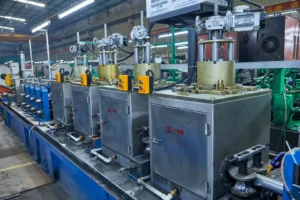
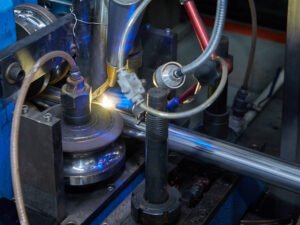
A tube mill is a specialist, and a roll former is more of a generalist. At XZS, our tube mills are engineered as a single, cohesive system. The process starts with a steel coil, which is progressively formed into a round shape by a series of rollers. It's then welded longitudinally, cooled, and passed through sizing and shaping stands to achieve the final precise dimension and profile, whether round, square, or rectangular. Roll forming, on the other hand, is a broader category of metal forming. While it can be used to make welded pipe, it's also used for countless open profiles, like channels, angles, and complex custom shapes that don't get welded. The welding station in a "welded roll forming system" is often just one component in a more modular line.
Core Process Distinctions
| Характеристика | Tube Mill (e.g., XZS Line) | Welded Roll Forming System |
|---|---|---|
| Primary Goal | Produce high-precision, welded, closed-section tubes. | Form a continuous metal profile from a coil. |
| Технологический поток | Integrated: Forming -> Welding -> Sizing -> Straightening -> Cutting. | Often modular: Forming -> (Optional Welding) -> Cutting. |
| Output | Specifically round, square, or rectangular tubes. | Can be open profiles (angles, channels) or closed tubes. |
| Specialization | Highly specialized for tubular products. | More versatile for a wider range of profile shapes. |
How do production capabilities of welded roll forming systems compare to tube mills?
You have production targets to hit. Choosing a machine that can't deliver the required speed or, more importantly, the required quality, means lost contracts and a damaged reputation.
Generally, welded roll forming systems offer higher linear speeds for simple, standardized profiles. However, modern tube mills, like our XZS lines, provide unmatched precision with tolerances ≤ ±0.05 mm and greater flexibility for quick size changes, maximizing ROI for high-value manufacturing.
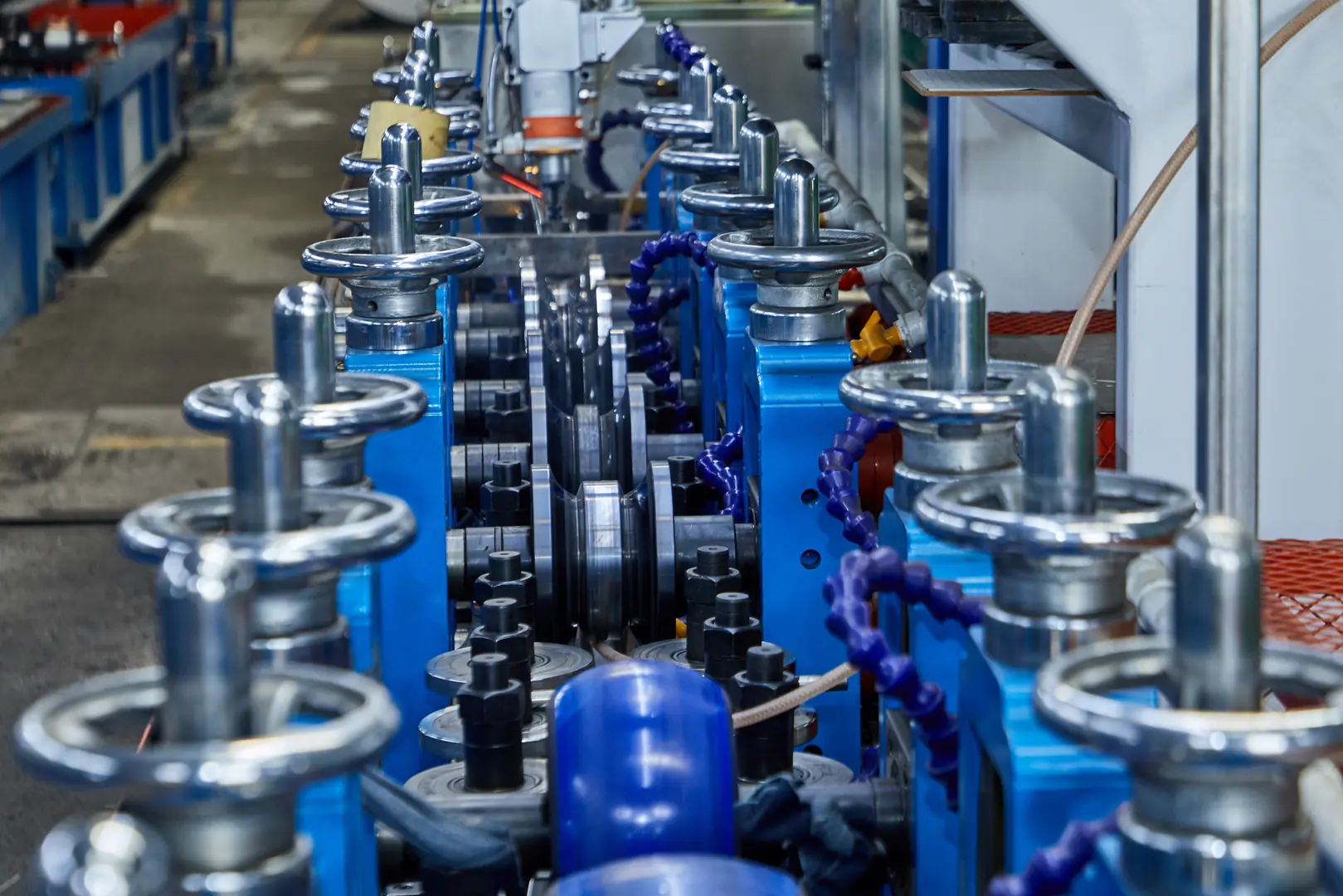
When clients ask me about speed, I always turn the conversation to "effective output." A roll former might run faster, but what's the value if the final product doesn't meet spec? This is where a dedicated tube mill shines. Our systems are built on robust, CNC-machined frames that ensure stability and repeatability, which is how we consistently achieve tolerances as tight as ≤ ±0.05 mm. This level of precision is non-negotiable in industries like automotive and aerospace. Furthermore, our tube mills are designed for efficiency beyond just speed. We integrate Системы быстросменной оснастки[^3], allowing operators to switch between different tube diameters and shapes rapidly. This dramatically reduces downtime and makes smaller, customized production runs profitable. We also focus on material efficiency, with our designs achieving up to 98% material utilization, which directly translates to lower scrap and higher profit margins.
What are the cost implications of using welded roll forming systems versus tube mills?
Your budget is a critical decision-making factor. But focusing only on the initial sticker price can blind you to the total cost of ownership, which includes tooling, maintenance, and operational expenses.
Welded roll forming systems typically have a lower initial investment for basic setups. However, tube mills often provide a better long-term Return on Investment (ROI) due to their flexibility, lower operational costs per unit, and ability to produce higher-value, precision products.
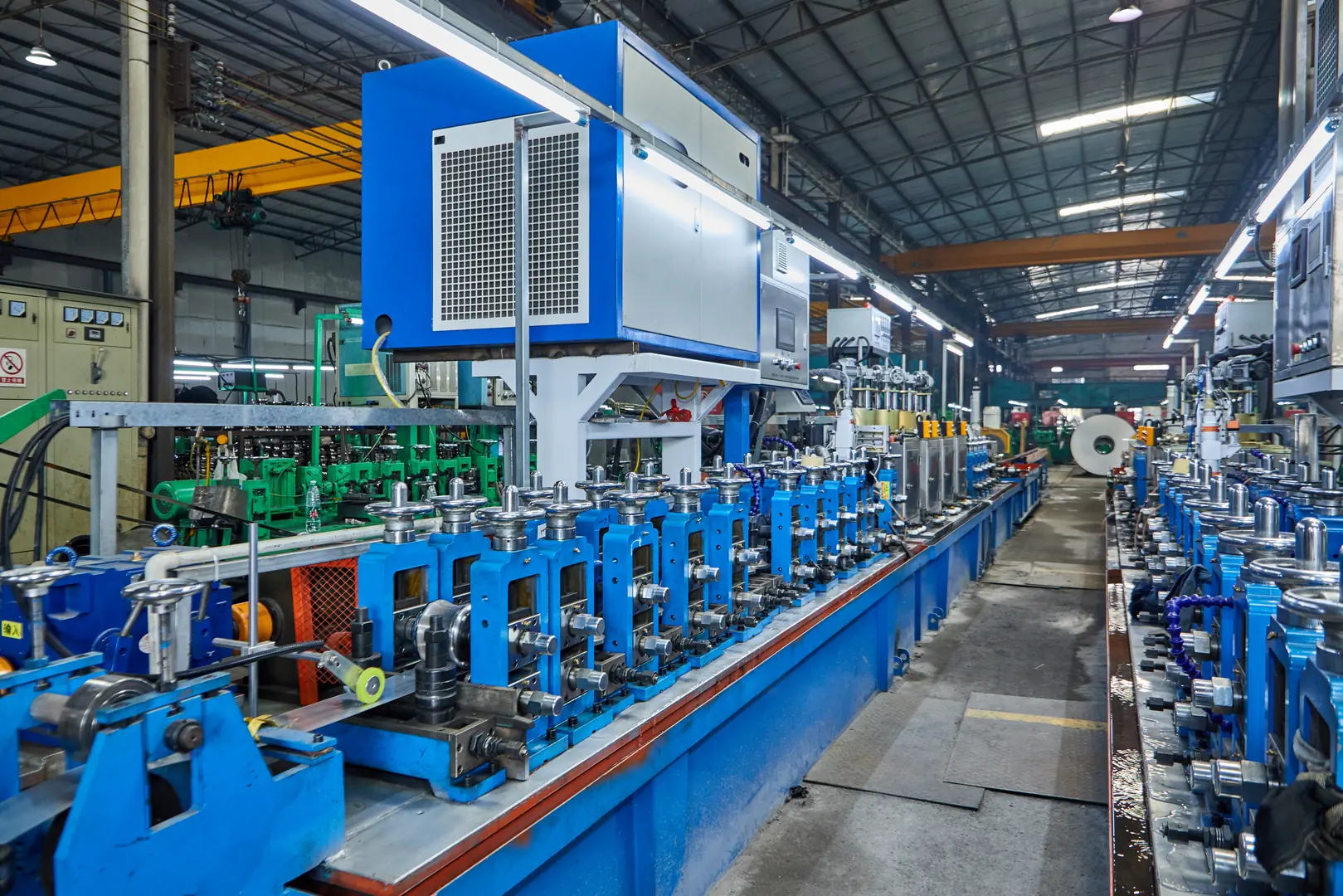
Let's break down the costs. A simple roll forming line might seem cheaper upfront (CapEx). But the tooling for each unique profile can be very expensive, and if you need to produce many different shapes, those costs add up quickly. A tube mill, while potentially a larger initial investment, is designed for flexibility. With one set of rollers, you can often produce a range of sizes, and our quick-change systems make the switch efficient. More importantly, we need to look at Operational Costs (OpEx). At XZS, we build our tube mills with energy-saving high-frequency welders and designs that maximize material utilization. This 20% higher output from the same amount of raw material, combined with lower energy bills, significantly reduces the cost per meter of tube produced. So, while the initial price is a factor, the true cost is revealed over years of operation. For manufacturers aiming for high-quality markets, the tube mill's ROI is almost always superior.
Which industries benefit more from welded roll forming systems compared to tube mills?
You need a machine that is proven to perform in your specific industry. A generic machine may not be able to handle the unique standards, materials, and finishes your customers demand.
Welded roll forming systems are a strong fit for the construction and general fabrication industries. In contrast, tube mills are indispensable for high-specification sectors like automotive, aerospace, medical, and sanitary-ware, where precision, strength, and finish are paramount.
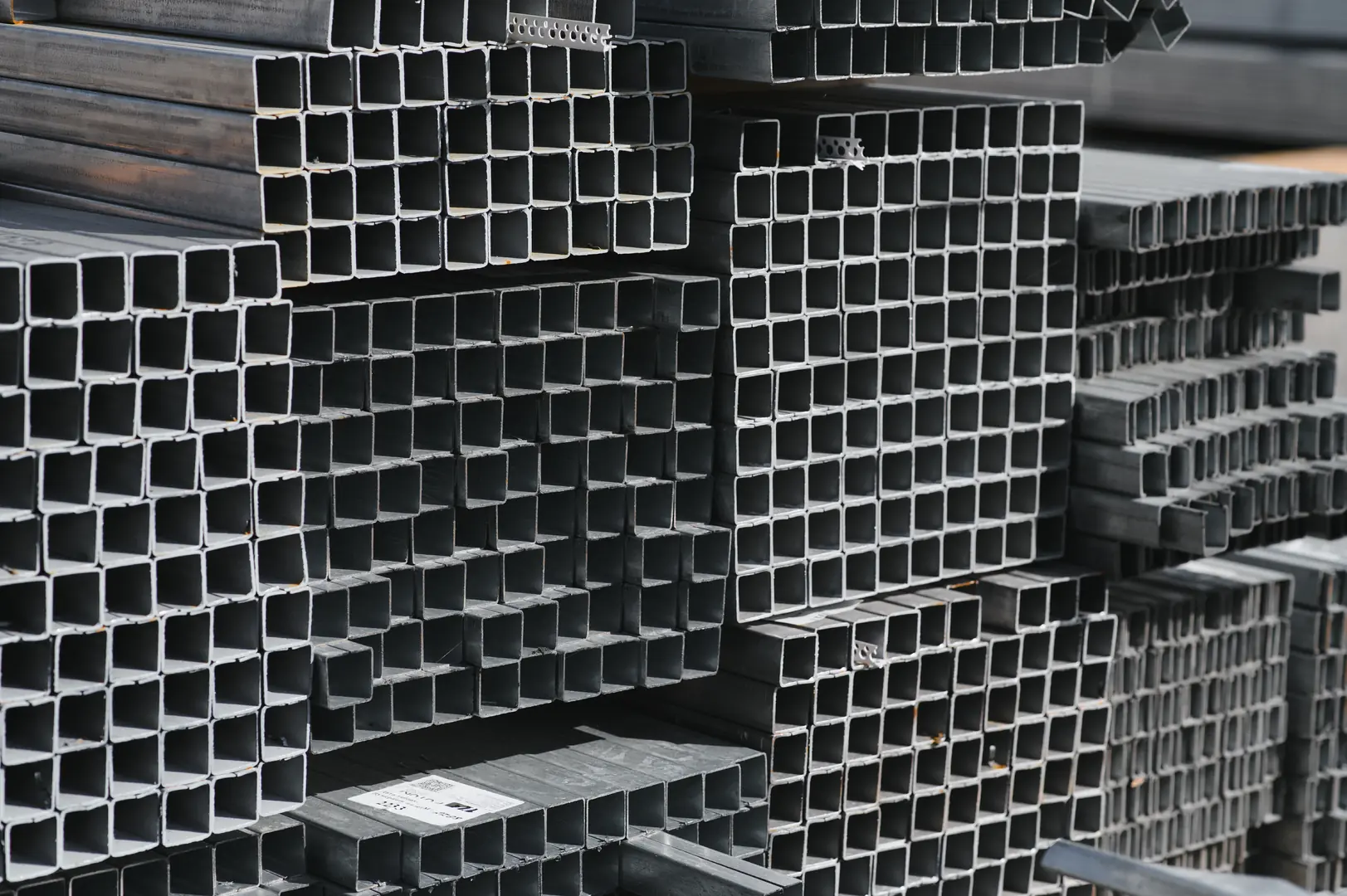
From my experience working with clients globally, the application dictates the technology. Each machine has its place where it provides the most value.
Prime Industries for Tube Mills
Our XZS tube mills are the backbone of factories in demanding sectors. For example, automotive manufacturers rely on our machines for exhaust systems and structural components that require exact dimensions (that ≤ ±0.05 mm tolerance) for robotic assembly and safety. In the sanitary-ware and high-end furniture markets, the perfect, smooth weld seam and flawless surface finish our machines produce are essential for aesthetic appeal.
Prime Industries for Roll Forming
Roll forming systems are the workhorses for high-volume, standardized products. The construction industry uses them to produce millions of feet of metal studs, tracks, and channels where high speed and low cost per foot are the main drivers. Similarly, for HVAC ductwork or basic shelving components, the efficiency of a dedicated roll forming line is hard to beat. The precision requirements are lower, and the shapes are consistent.
What factors should be considered when choosing between welded roll forming systems and tube mills?
You're nearing a decision but want to be sure you haven't missed anything. Overlooking a single critical factor now can lead to years of operational headaches and buyer's remorse.
The most critical factors are your required production volume, precision tolerance, profile complexity, and need for future flexibility. A thorough analysis of these elements, weighed against your budget, will clearly point to the correct machine for your long-term business goals.
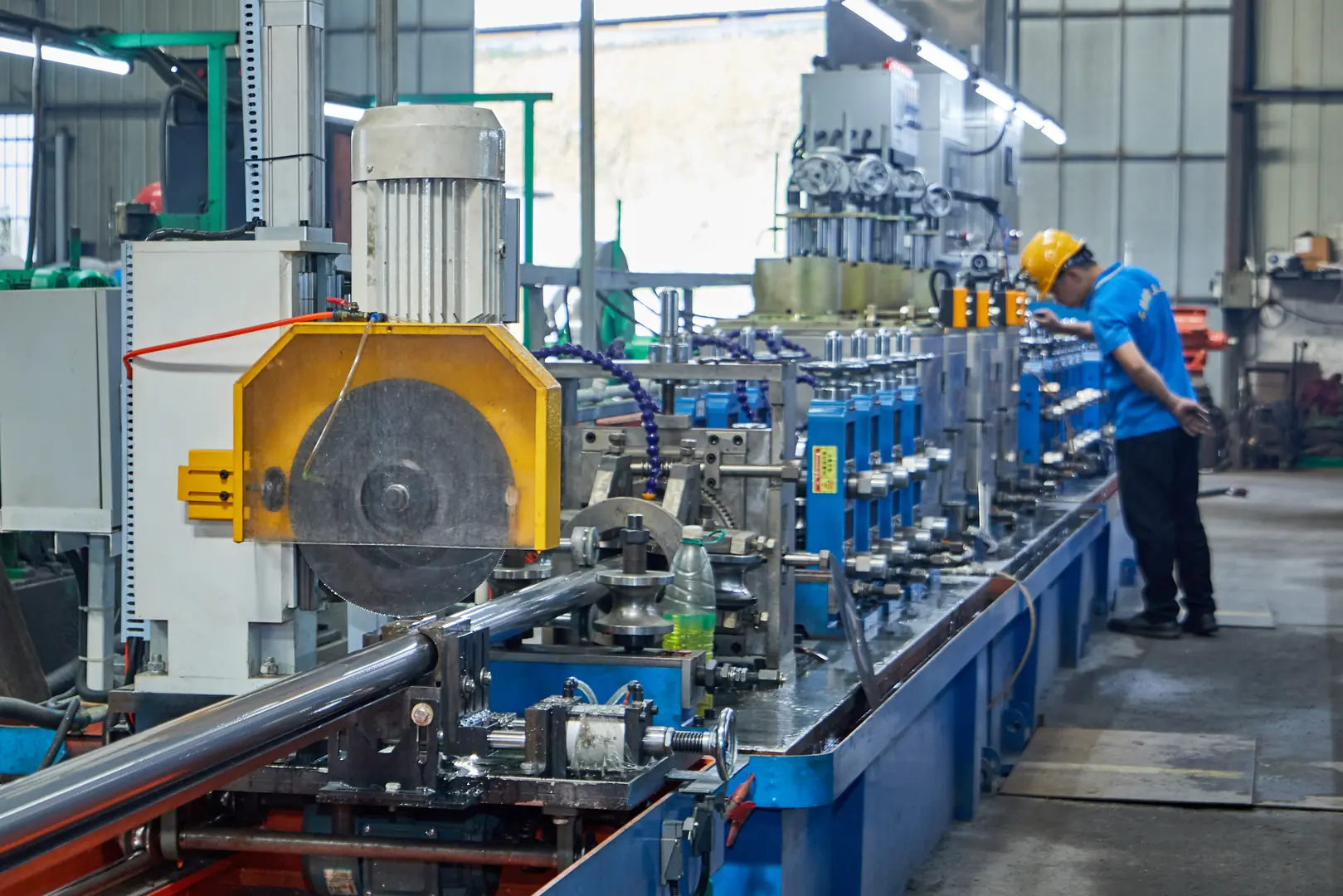
To make this simple, I've created a checklist. I walk every potential XZS client through these questions. Answering them honestly is the most important step in the entire purchasing process. It ensures you invest in a solution, not just a machine.
| Factor | Key Questions to Ask Yourself | Why It Matters |
|---|---|---|
| Production Volume | Do I need millions of meters of one profile, or smaller runs of many? | High volume of one shape favors roll forming. Varied runs favor a flexible tube mill. |
| Допуски точности | Is a tolerance of ±0.05 mm critical, or is there more leeway? | If precision is non-negotiable, a high-quality tube mill is the only answer. |
| Profile Complexity | Am I only making simple round/square tubes, or complex, custom shapes? | Tube mills excel at standard closed sections. Complex open profiles are roll former territory. |
| Flexibility & Changeover | How often will I need to change sizes? How fast must it be? | If you serve diverse clients, a tube mill with quick-change tooling is essential. |
| Material & Finish | What material am I using? Is the weld seam's appearance critical? | Stainless steel for decorative use demands the superior welding and finishing of a tube mill. |
| Budget & ROI | Am I focused on the lowest initial price or the best long-term value? | Consider OpEx (energy, material use) and market access to calculate true ROI. |
Заключение
The choice between a welded roll forming system and a tube mill isn't about which is "better," but which is right for your application. Roll forming offers speed for standard profiles, while tube mills deliver the precision, quality, and flexibility required for high-value manufacturing.

 Русский
  English