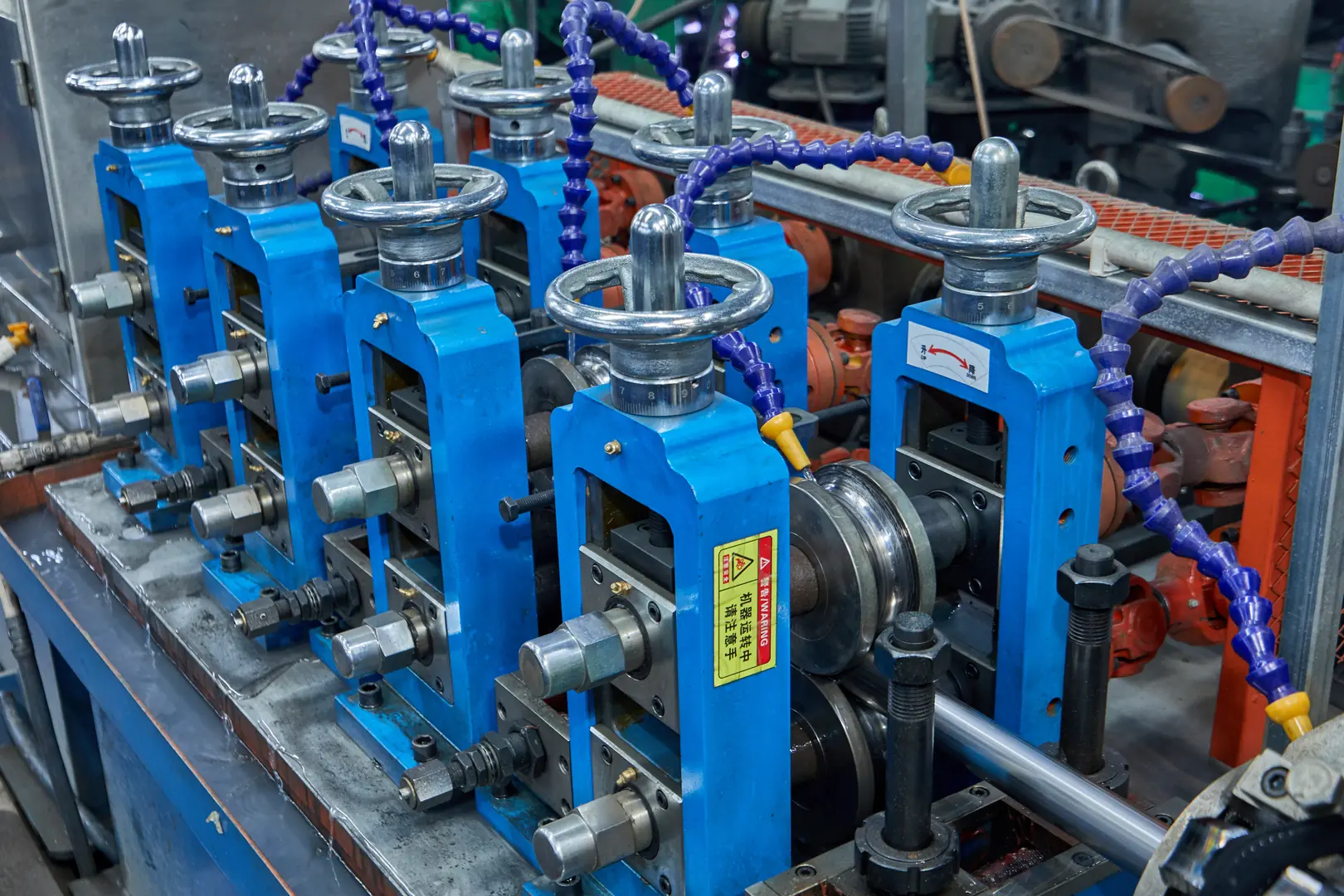
How Modern Stainless Steel Pipes are Manufactured: A Look Inside an XZS Smart Factory
Struggling with inconsistent pipe quality or inefficient production lines? Many manufacturers face these hurdles, leading to wasted materials and lost profits. It's a problem that can severely impact your bottom line and reputation.
At XZS, we've perfected the art and science of stainless steel pipe manufacturing through advanced technology and rigorous processes, ensuring every pipe meets the highest standards of precision and durability, solving common industry challenges with unparalleled efficiency.
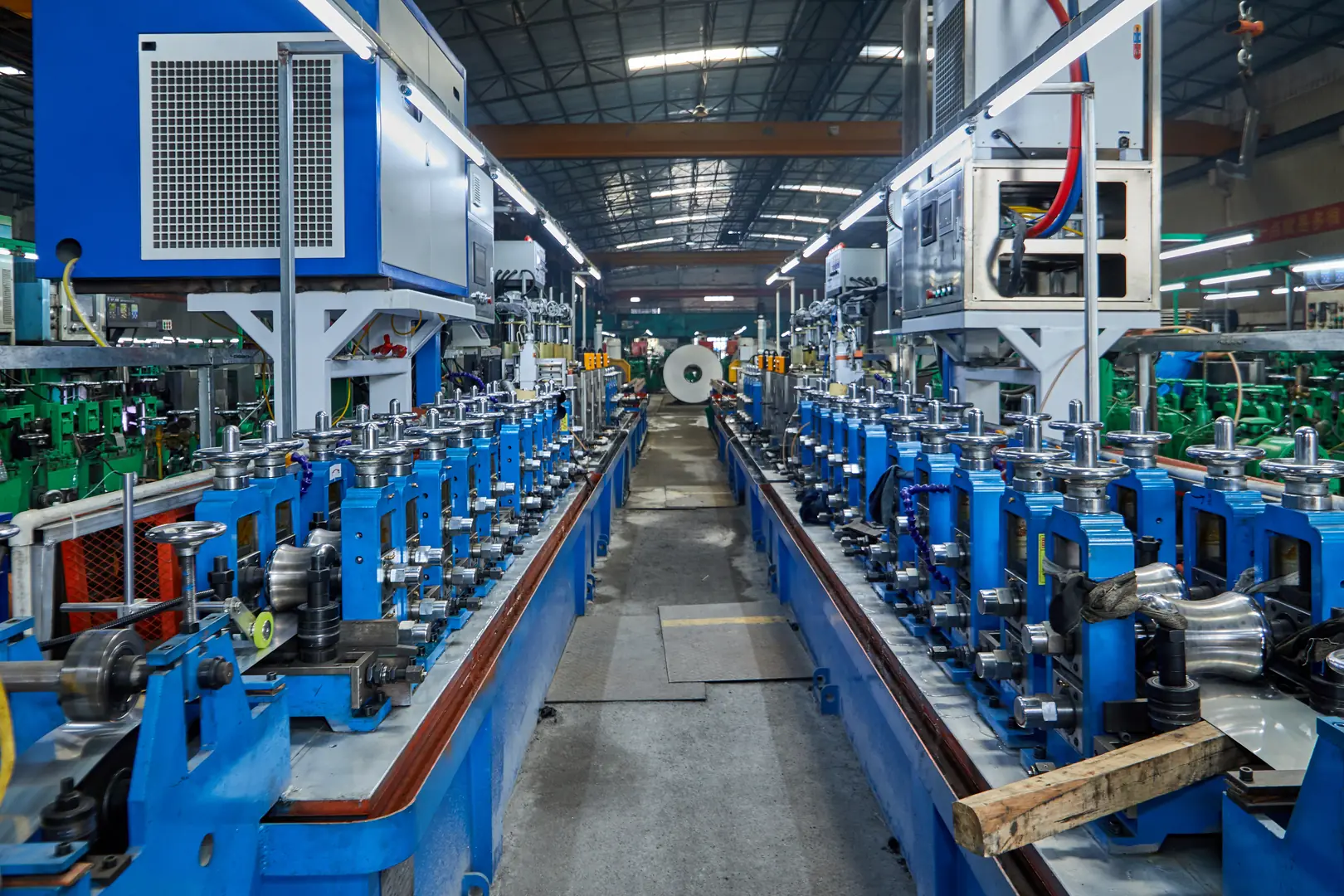
As Victor Zeng from XZS, I've seen firsthand how modern innovation has transformed our industry. Today, I want to take you inside our smart factory to reveal the meticulous steps and cutting-edge technologies that go into producing the high-quality stainless steel pipes our global clients depend on. Let's dive in.
What is the Initial Preparation of Raw Materials for Stainless Steel Pipe Manufacturing?
Are you concerned about the consistency and quality of your raw materials? Inconsistent starting materials can lead to defects and costly reworks down the line, a common headache for many producers.
At XZS, our initial raw material preparation is a critical first step, involving rigorous selection and precision slitting of stainless steel coils to exact specifications, ensuring optimal material quality and dimensions for subsequent manufacturing processes.
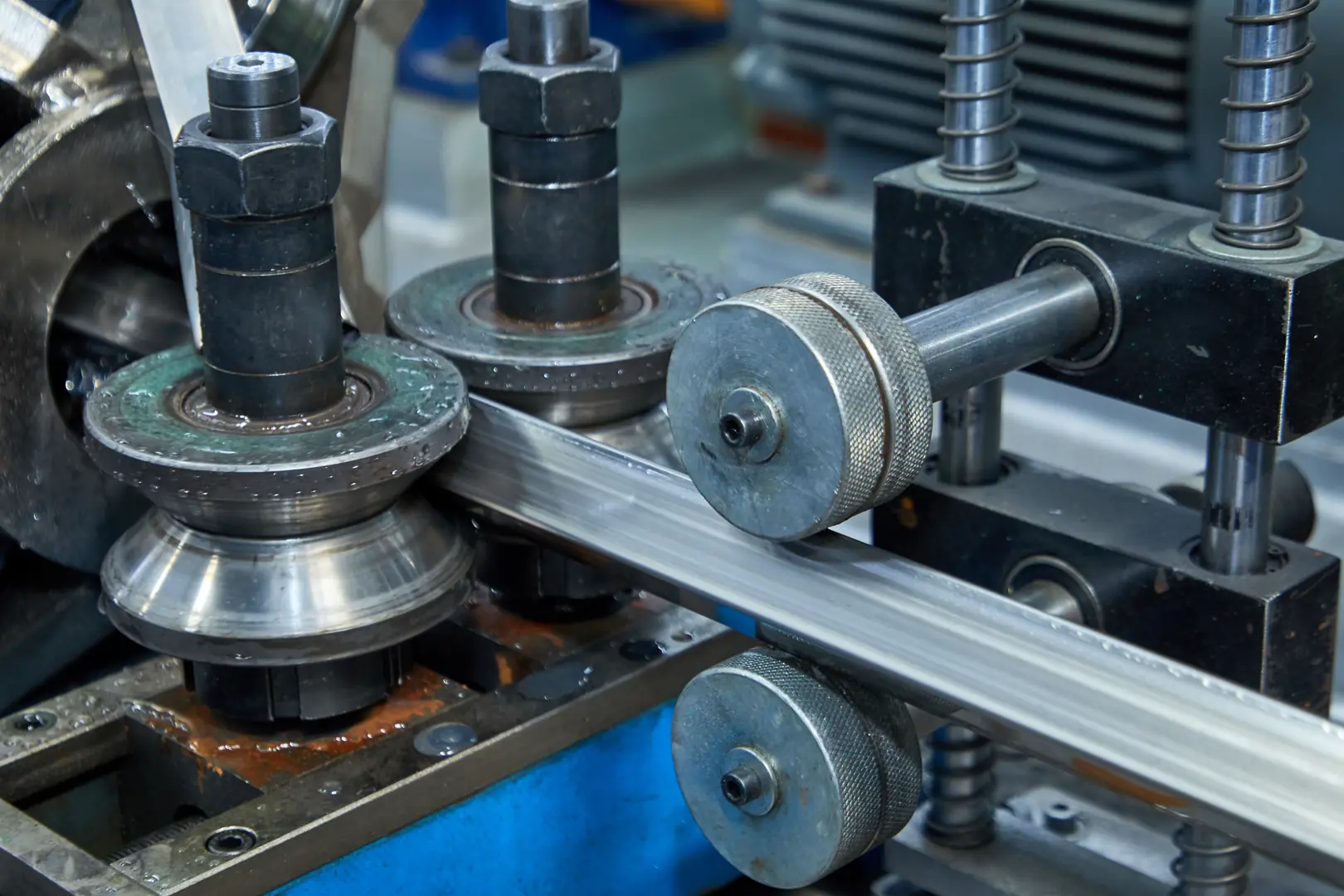
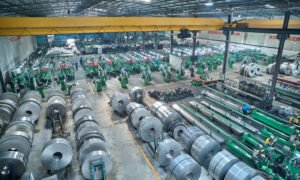
From my experience, the journey to a perfect pipe begins long before any welding takes place. We start with carefully selected stainless steel coils, sourced from trusted suppliers who meet our strict quality criteria. These coils are then brought into our facility, where they undergo a series of precise operations. This initial stage is crucial for maintaining the precision tolerance of ≤ ±0.05 mm[^1] we guarantee in our final products. We utilize advanced slitting lines that cut the wide coils into strips of the exact width required for the specific pipe diameter being produced. This precision slitting minimizes material waste, contributing directly to our impressive material utilization rate of up to 98% – a figure that represents a 20% higher output compared to traditional methods. This efficiency is not just about saving costs; it's about sustainable manufacturing, a core value at XZS.
Key Raw Material Preparation Steps
- Material Selection: Only high-grade stainless steel coils.
- Precision Slitting: Advanced machinery cuts coils to exact strip widths.
- Edge Preparation: Edges are meticulously prepared for optimal welding.
What is the Step-by-Step Breakdown of the Welding Process in an XZS Smart Factory?
Curious about how seamless, strong pipe welds are achieved? Many fear weak points or inconsistencies in welded pipes, compromising structural integrity and performance.
In an XZS smart factory, our welding process for stainless steel pipes involves a highly automated, multi-stage sequence, utilizing energy-saving high-frequency welding technology and precise seam forming, all meticulously controlled by PLC systems to ensure superior weld quality and consistency.
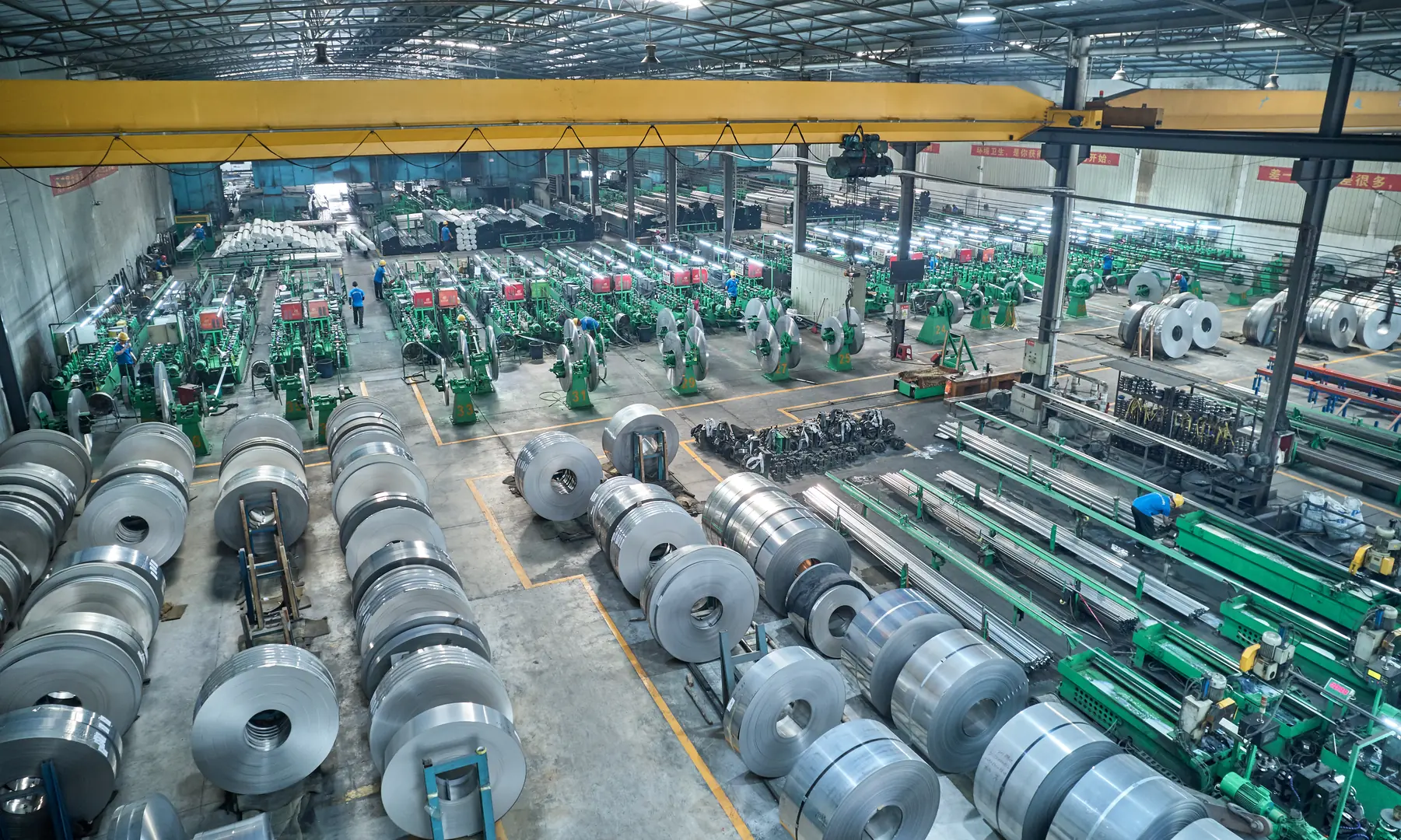
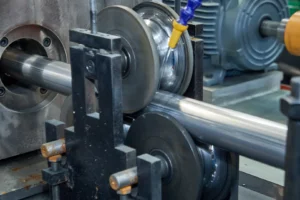
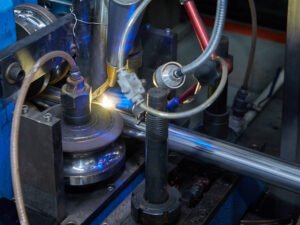
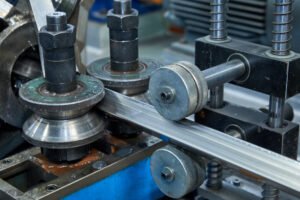
The welding process is where the magic truly happens, transforming flat strips into robust pipes. At XZS, we've invested heavily in intelligent precision welding-pipe production lines, which are the backbone of our operations. Once the meticulously prepared strips enter the forming section, they are gradually shaped into a cylindrical form. This is followed by the high-frequency welding stage, a technology I particularly champion for its efficiency and strength. Unlike traditional methods, high-frequency welding heats the edges of the strip rapidly and precisely, fusing them together without the need for filler material. This creates an incredibly strong and clean weld seam. Our fully automated PLC + touch-screen control systems monitor and adjust parameters in real-time, ensuring consistent weld quality, optimal penetration, and minimal heat-affected zones. This level of automation not only reduces the potential for human error but also allows for continuous, high-speed production, meeting the demands of our diverse client base, from automotive to oil-and-gas sectors.
Welding Process Stages
| Stage | Описание |
|---|---|
| Формирование | Stainless steel strip is gradually shaped into a tube. |
| Сварка | High-frequency current heats edges; pressure forms a strong, seamless weld. |
| Seam Smoothing | External and internal weld beads are removed for a smooth finish. |
| Cooling | Controlled cooling to prevent material stress. |
How Does XZS Ensure High Precision and Quality in Pipe Manufacturing?
Are you constantly battling with pipes that don't meet exact specifications? In a world demanding exactness, slight deviations in pipe dimensions can lead to costly assembly issues and product failures.
XZS ensures high precision and quality through a combination of advanced CNC machining, quick-change tooling, and robust, durable machine frames, all contributing to our guaranteed precision tolerance of ≤ ±0.05 mm and superior product consistency.
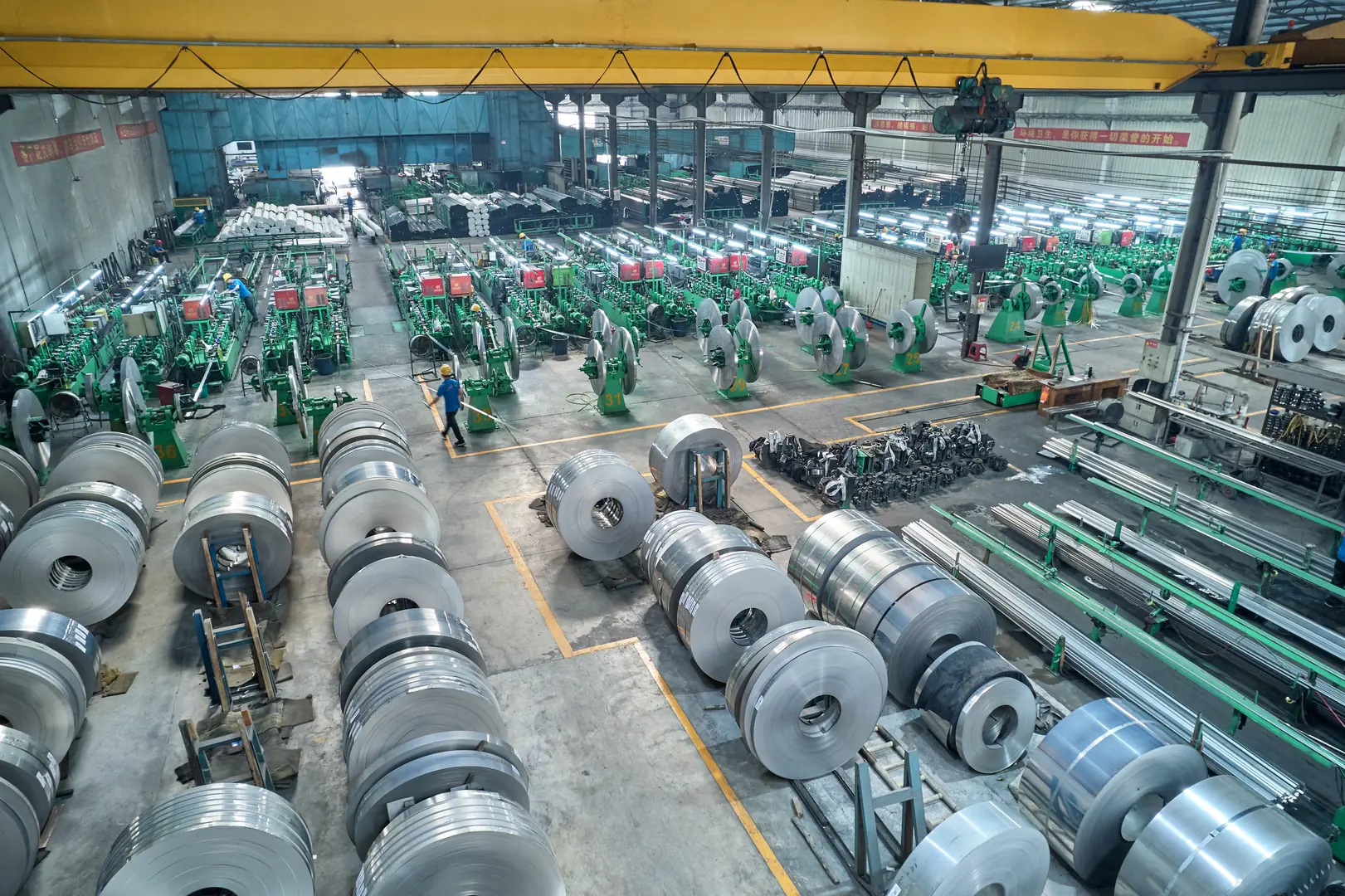
Achieving precision tolerance of ≤ ±0.05 mm isn't just a claim; it's a fundamental aspect of our manufacturing philosophy at XZS. I've always believed that true quality starts with the foundational elements of the machinery itself. Our 20,000 m² smart factory houses state-of-the-art precision CNC machining capabilities, which we use to fabricate our robust and durable machine frames. These frames provide the stability necessary for our production lines to operate with such high accuracy, minimizing vibrations and ensuring consistent alignment. Furthermore, our intelligent precision welding-pipe production lines are equipped with quick-change tooling. This innovative feature allows for rapid and flexible sizing adjustments, ensuring that every pipe, regardless of its diameter or shape (round or square), is produced to the exact dimensions specified by our clients. This adaptability, combined with our rigorous adherence to ISO 9001 quality management, is why our products are trusted by demanding industries like sanitary-ware and heat-exchanger manufacturers.
XZS Precision Pillars
- CNC Machining: For critical machine components.
- Quick-Change Tooling: Enables fast and accurate size adjustments.
- Robust Machine Frames: Provides stability for consistent precision.
What Role Do Automation and Digital Systems Play in the Manufacturing Process?
Worried about human error and slow production speeds impacting your bottom line? Manual processes can be bottlenecks, leading to inefficiencies and inconsistent output.
At XZS, automation and digital systems, particularly fully automated PLC + touch-screen controls, are central to our manufacturing process, optimizing operations, ensuring consistent quality, and enabling real-time data analysis for maximum efficiency and minimal human intervention.
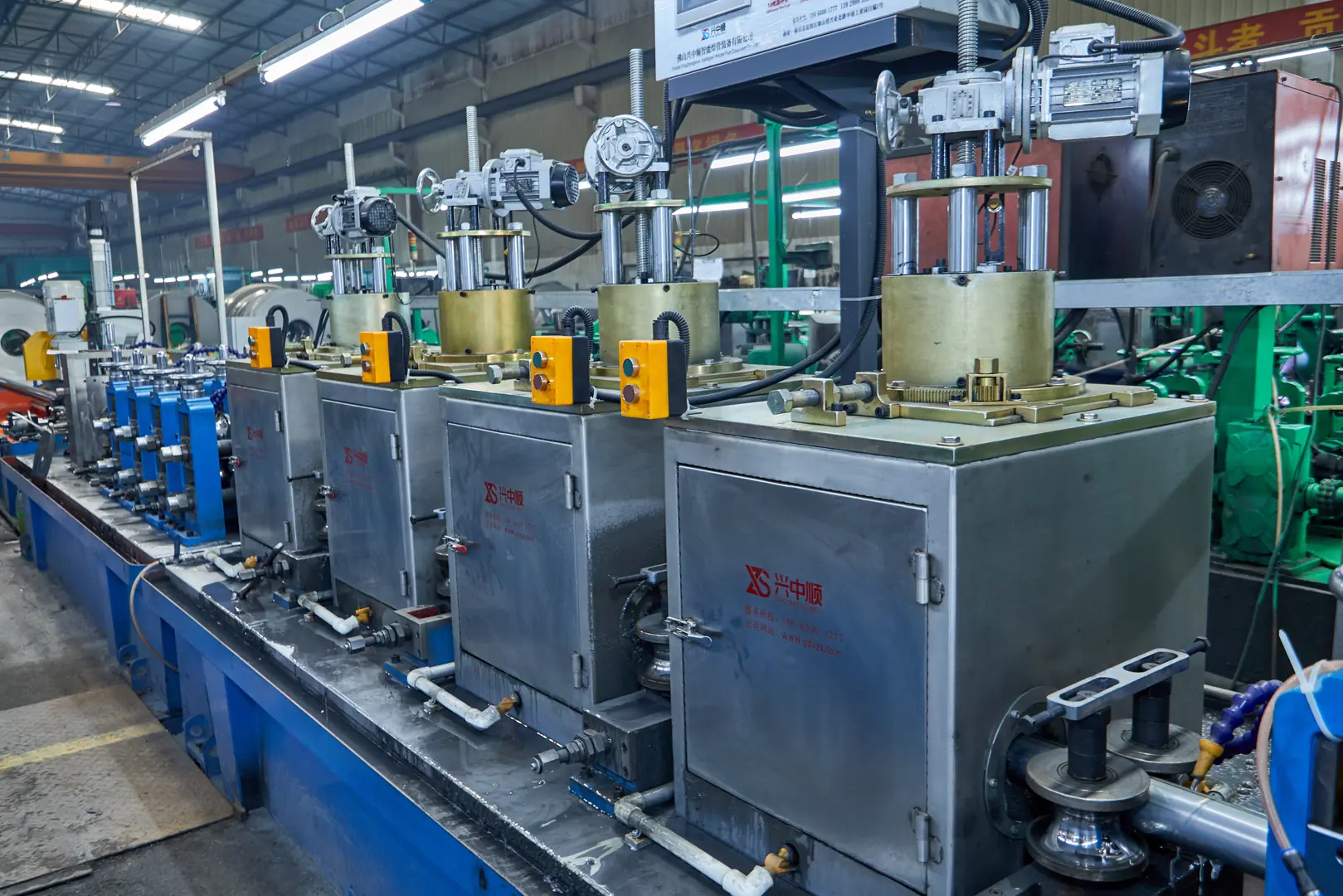
The integration of automation and digital systems has been a game-changer for XZS, allowing us to maintain our competitive edge. From my perspective, these technologies are not just about speeding things up; they're about achieving an unparalleled level of control and consistency. Our production lines are governed by fully automated PLC (Programmable Logic Controller) systems, seamlessly integrated with user-friendly touch-screen interfaces. This digital backbone orchestrates every stage of the manufacturing process, from raw material feeding to final cutting. These systems continuously monitor critical parameters such as welding current, speed, and temperature, making instantaneous adjustments to ensure optimal performance. This real-time data feedback loop is invaluable; it allows us to identify and address potential issues before they become problems, significantly reducing downtime and scrap rates. For our clients, this means faster lead times, more reliable products, and ultimately, a better return on their investment. It's how we achieve material utilization up to 98% and deliver consistent quality day in and day out.
Automation Benefits
| Характеристика | Impact on Manufacturing |
|---|---|
| PLC Control | Precise, automated control over entire production line. |
| Touch-Screen HMI | Intuitive interface for operators, real-time data display. |
| Data Analytics | Continuous monitoring and optimization of process parameters. |
| Reduced Human Error | Minimizes inconsistencies and defects associated with manual operations. |
What Are the Quality Control and Final Inspection Processes in an XZS Smart Factory?
How do you guarantee that every single pipe leaving your factory meets the highest standards? Without rigorous quality control, even the best manufacturing can fall short, leading to customer dissatisfaction.
At XZS, our quality control and final inspection processes are comprehensive, involving non-destructive testing, dimensional checks, and visual inspections, all underpinned by our ISO 9001 certification, ensuring every pipe adheres strictly to specifications and performance requirements.
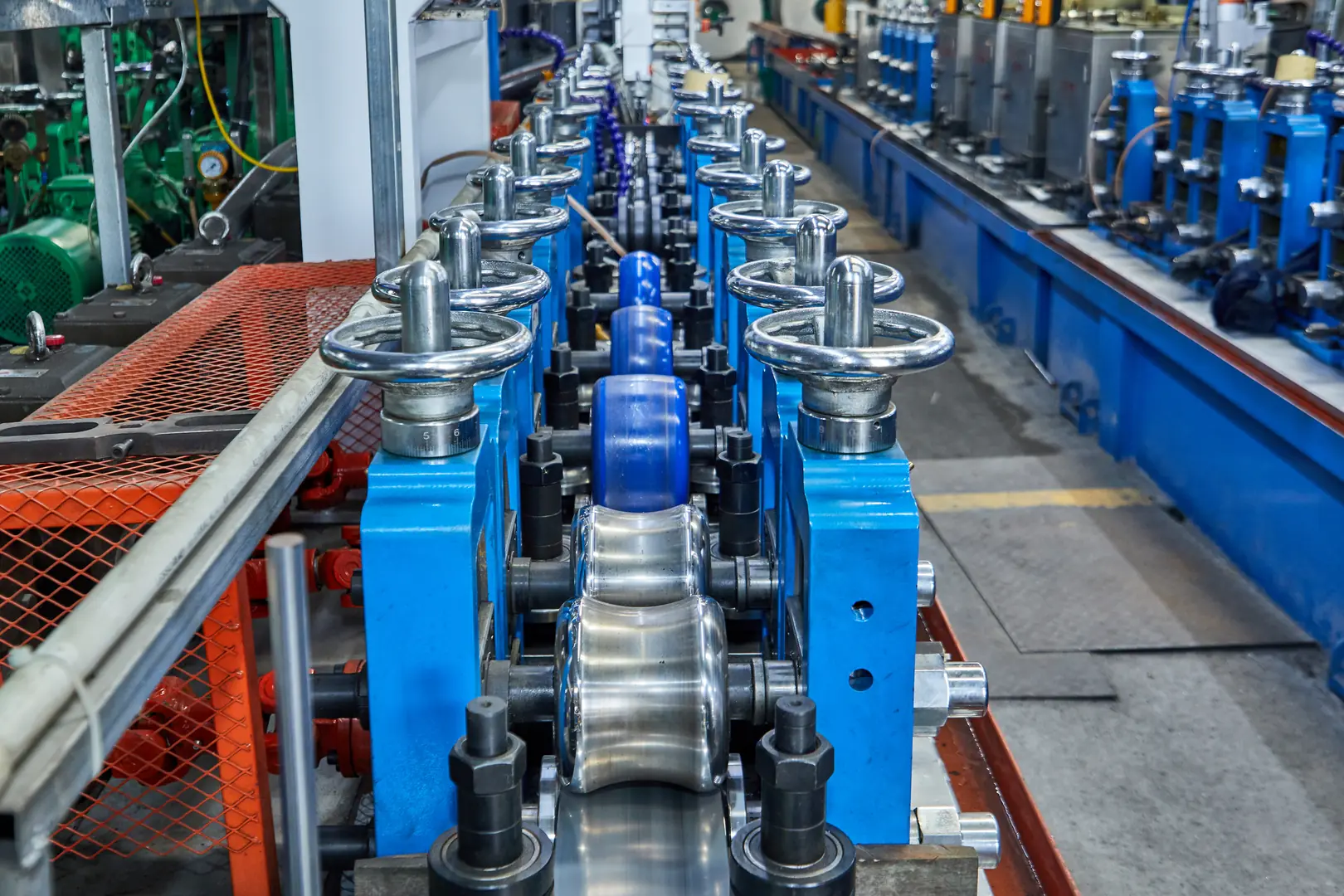
For over 15 years, our commitment to quality has been unwavering, and it culminates in our meticulous quality control and final inspection processes. As Victor Zeng, I can attest that this stage is not merely a formality but a critical defense against any potential imperfections. After the pipes are formed, welded, and sized, they undergo a series of stringent tests. This includes non-destructive testing (NDT) methods to check for any internal weld defects or material flaws that aren't visible to the naked eye. We also perform precise dimensional checks, using advanced measuring equipment to verify that the pipe's diameter, wall thickness, and straightness are all within the tight tolerances we promise. Visual inspections are conducted by our experienced technicians, who look for surface imperfections, finish quality, and overall aesthetic adherence. This multi-layered approach, combined with our ISO 9001–certified quality management system, ensures that every single pipe leaving our smart factory is ready for the most demanding applications, from furniture to automotive exhaust systems.
Key Quality Control Steps
- Non-Destructive Testing (NDT): Ultrasonic or eddy current testing for weld integrity.
- Dimensional Verification: Precise measurement of diameter, wall thickness, and length.
- Visual Inspection: Checking for surface finish, defects, and overall appearance.
- Material Testing: Chemical composition and mechanical property verification (batch-wise).
Заключение
At XZS, our approach to modern stainless steel pipe manufacturing integrates advanced technology, precision engineering, and rigorous quality control. We ensure superior products with unparalleled efficiency and consistency, meeting the evolving demands of global industries. This commitment to excellence drives our innovation and solidifies our position as a trusted partner.

 Русский
  English