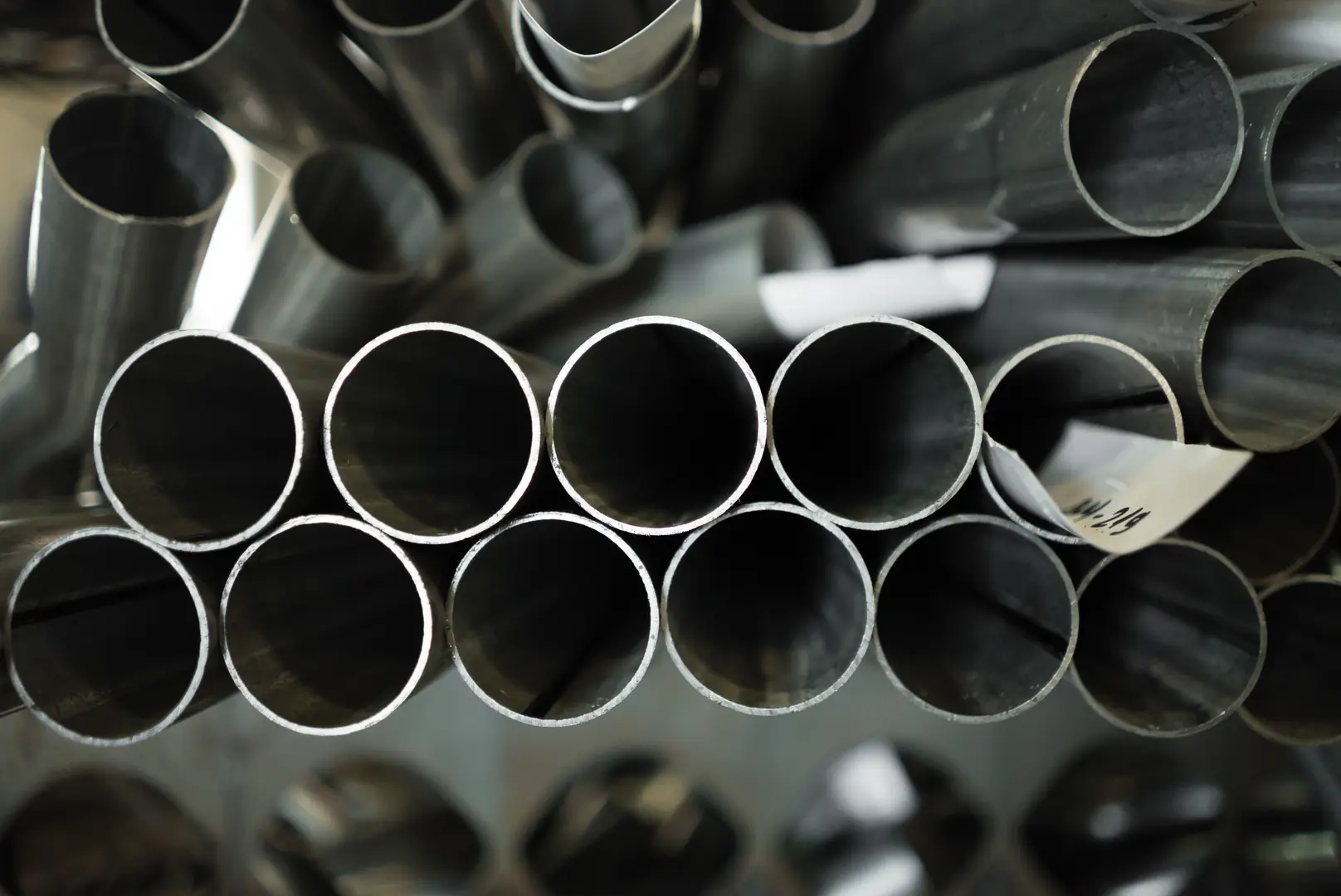
XZS Smart Precision Stainless Steel Pipe Making Machine (≤±0.05mm)
Struggling to meet the extreme precision demands of modern industries? Inaccurate pipe manufacturing leads to material waste and lost contracts, hurting your bottom line. Our machine is the solution.
The XZS Smart Precision Stainless Steel Pipe Making Machine is an advanced production line engineered to consistently deliver a tolerance of ≤±0.05mm. It integrates a robust mechanical structure with smart PLC controls to meet the exacting standards of the automotive, aerospace, and high-tech sectors.
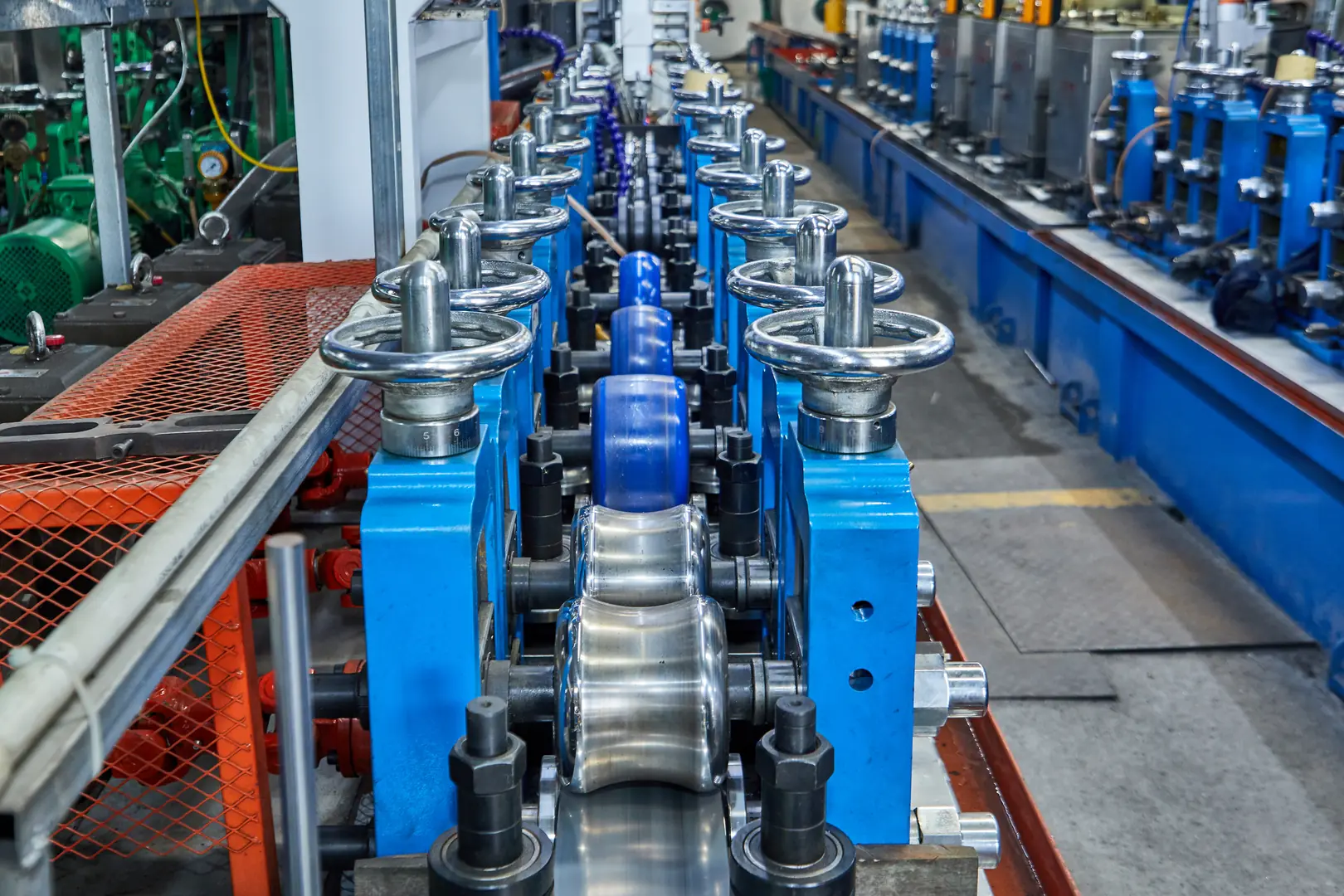
In my 15 years in this industry, I've seen the market shift dramatically. It's no longer enough to just produce pipes; you must produce them with near-perfect accuracy. This is why we at XZS focused on creating a machine that doesn't just meet but anticipates these demands. This article isn't just a manual; it's my personal guide to helping you master this equipment and leverage its precision to dominate your market. Let's walk through how to unlock its full potential, from setup to daily operation.
How do you set up the XZS smart precision stainless steel pipe making machine?
An improper setup can cripple even the best machine from day one. This leads to immediate production flaws and costly downtime. Our streamlined installation process ensures perfect alignment and peak performance.
Setting up the XZS machine involves four key stages: preparing a solid foundation, mechanically aligning all forming and sizing sections, connecting all electrical and cooling systems, and performing initial calibration using the PLC touch-screen interface. Following our guide ensures a flawless start.
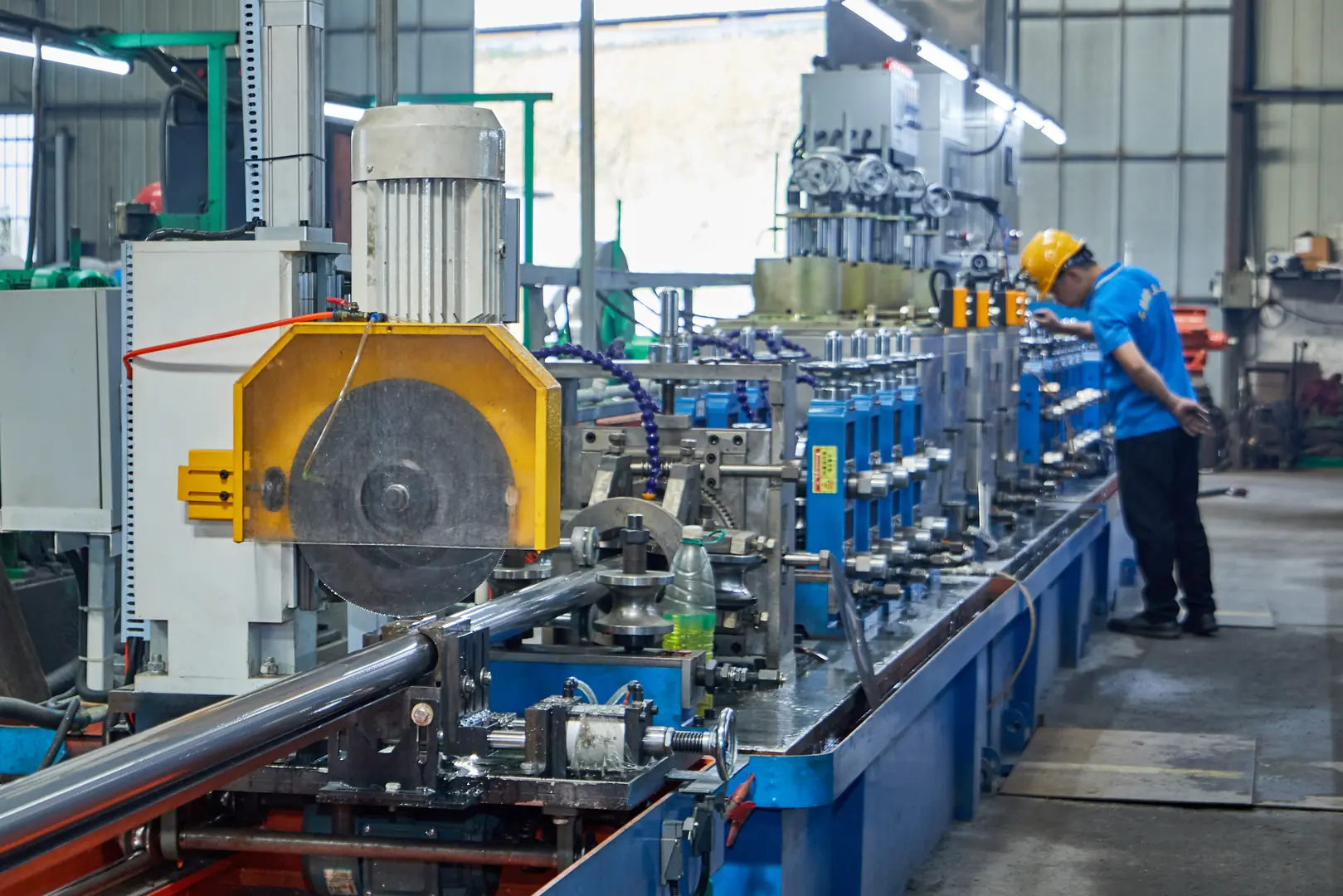
To dive deeper, the setup process is where precision begins. It's a task we've simplified, but every step is critical. My team and I always emphasize that you cannot compromise on the foundation.
Foundation and Leveling
First, the machine requires a solid, level concrete foundation. This isn't just about holding the weight; it's about damping vibrations. Even microscopic vibrations can affect the final pipe tolerance. We provide detailed foundation drawings, and I recommend using a laser level to ensure the base is perfectly flat before placing the machine.
Component Alignment and Tooling
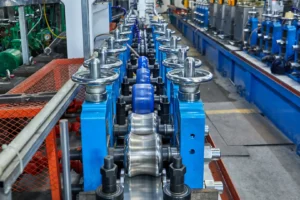
Once the machine is in place, the next step is aligning each section, from the uncoiler to the cutting saw. Our machines are designed with machined reference points to make this easier. Then, you install the forming and sizing rollers. Our quick-change tooling system[^1] is precision-machined at our own CNC facility, ensuring a perfect fit. This step is crucial, as roller alignment directly dictates the roundness and straightness of the final product.
What are the key steps in operating the XZS pipe making machine for optimal performance?
Simply turning the machine on isn't enough for peak performance. Sub-optimal operation wastes valuable stainless steel and reduces your output, directly impacting your profitability. Follow our proven steps for maximum efficiency.
For optimal performance, follow these steps: conduct pre-operation checks, load the steel coil correctly, input precise parameters via the PLC, actively monitor the forming and welding stages, and perform consistent real-time quality control checks. This ensures both quality and high output.
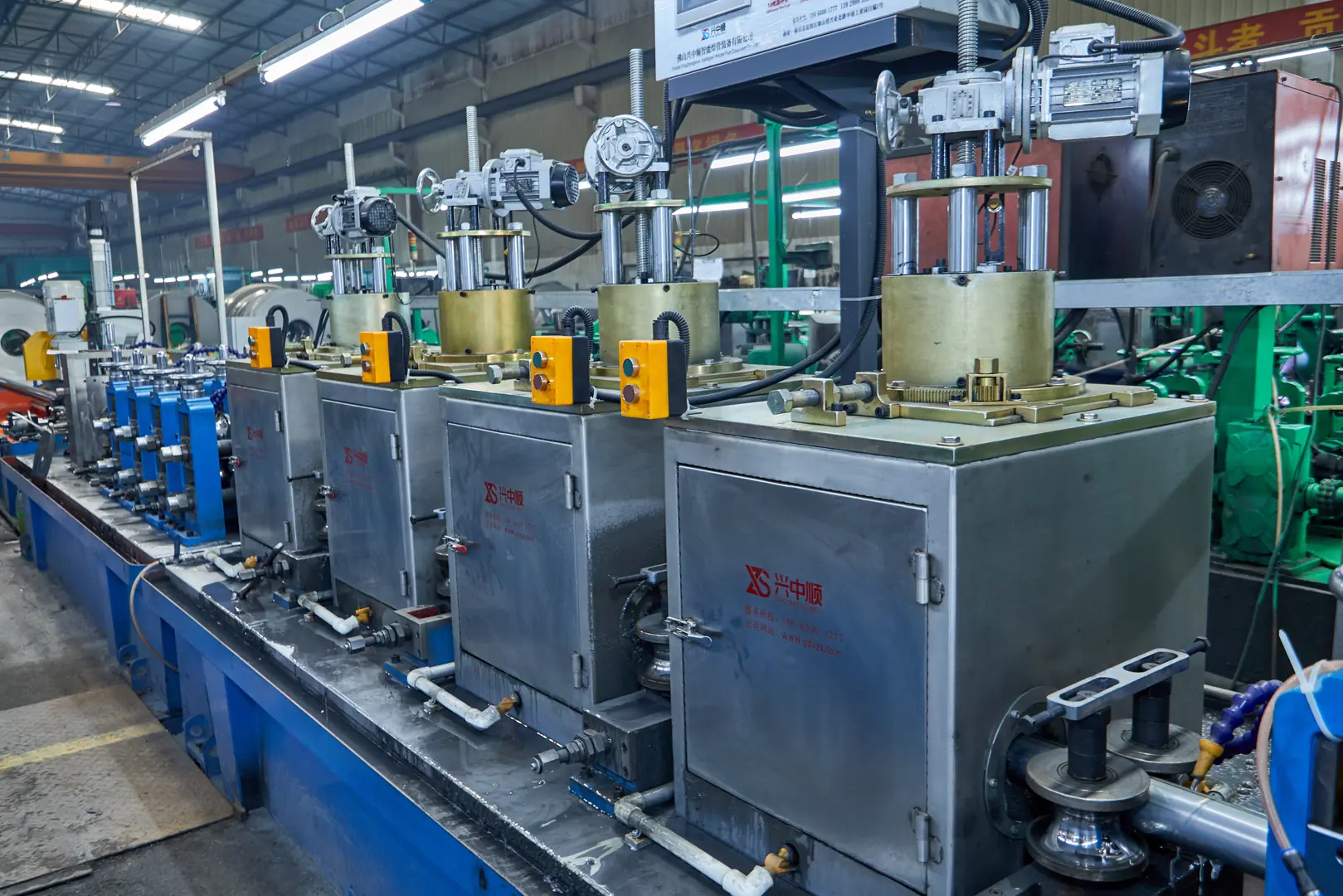
In my experience, consistency in operation is what separates good producers from great ones. Our smart machine helps enforce this consistency, but the operator is still the key. We've designed the workflow to be logical and user-friendly, turning complex adjustments into simple inputs on a screen. Here is a breakdown of the daily operational flow I recommend to all our clients for achieving that high material utilization rate of 98% we promise.
| Step | Key Action | My Note (The XZS Advantage) |
|---|---|---|
| 1. Pre-Operation Check | Verify roller sets, coolant flow, and power. | Our integrated PLC system runs a diagnostic check at startup and will flag any potential issues on the screen before you even begin. |
| 2. Parameter Input | Use the touch-screen to input material thickness, pipe diameter, and desired speed. | Our "smart" system includes a library of presets. It can suggest optimal welding current and line speed based on your inputs, reducing setup time. |
| 3. Live Monitoring | Visually inspect the weld seam and pipe shape as it exits the sizing section. | The stability of our machine frame and precision of our rollers mean that once set, the process requires minimal intervention. |
| 4. Quality Control | Use digital calipers to perform spot checks on the pipe's outer diameter and wall thickness. | Because our machine holds a tolerance of ≤±0.05mm, you will find variations are minimal, increasing confidence and reducing the frequency of checks. |
How do you ensure precision and accuracy (≤±0.05mm) during the pipe making process?
Maintaining sub-millimeter precision is the ultimate challenge in tube production. A tiny deviation can cause an entire batch to be rejected, a disaster for high-stakes orders in aerospace or automotive.
Precision is guaranteed by the core engineering of the XZS machine: a heavy-duty, CNC-machined frame minimizes vibration, precision-ground rollers ensure consistent forming, and a stable, high-frequency welder controlled by an advanced PLC system maintains exact parameters throughout the entire production run.
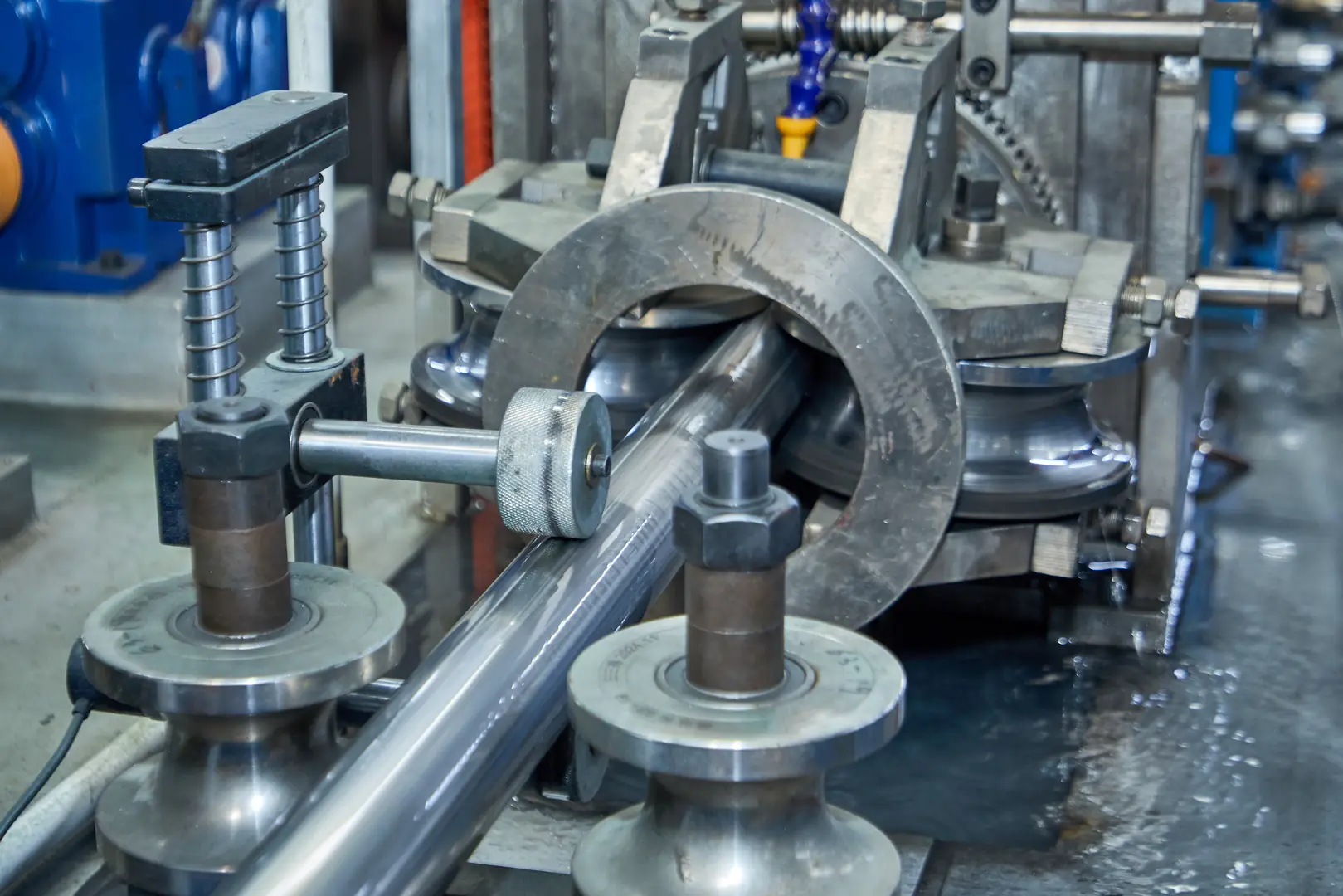
When clients ask me how we achieve this level of accuracy, I tell them it’s not one single feature, but a total system approach. The market's demand for tight-tolerance components is relentless, and we built our machine from the ground up to meet this reality. It starts with the very foundation of the machine.
The Bedrock of Accuracy: A Robust Frame
Our machine frames are not just welded; they are milled from solid steel blocks on high-precision CNC machines. This creates an incredibly rigid and stable structure that absorbs vibrations. In pipe making, vibration is the enemy of precision. By eliminating it at the source, we provide a stable platform for every other component to do its job perfectly.
The Role of Precision Tooling
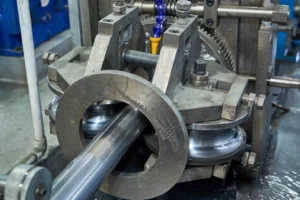
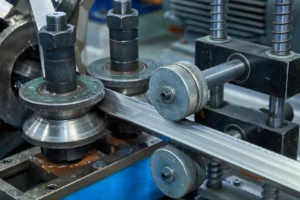
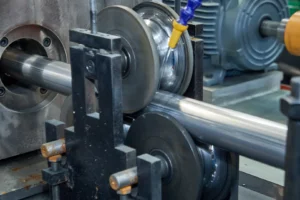
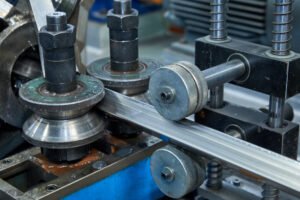
Next are the rollers. We use high-grade tool steel, and every roller is ground to a mirror finish with exacting profiles. This ensures the steel strip is formed smoothly and gradually, without stress or imperfections. This meticulous process is what allows us to form a perfectly round and dimensionally accurate pipe before it even reaches the welder.
What maintenance practices are essential for the XZS pipe making machine?
Ignoring regular maintenance is a short-sighted and costly mistake. It inevitably leads to unexpected breakdowns, production stoppages, and expensive repairs that could have been easily avoided. A simple schedule protects your investment.
Essential maintenance includes daily cleaning of rollers and guides, weekly lubrication of all moving parts like gears and bearings, monthly inspection of the weld box and cutting blades, and an annual service of the PLC and electrical systems. This preserves precision and ensures longevity.
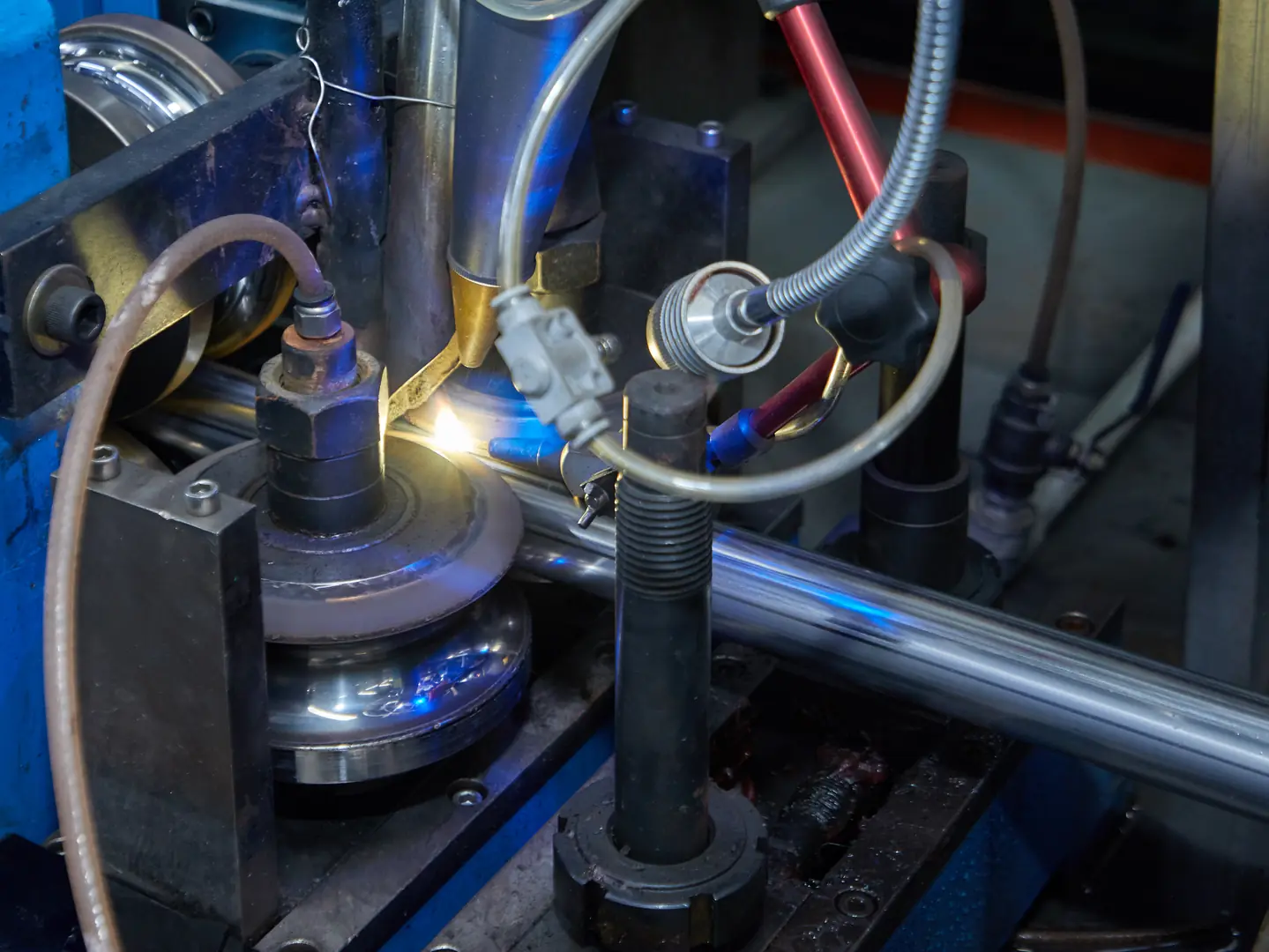
I always tell my customers to think of maintenance not as a cost, but as an investment in uptime and quality. A machine that is well taken care of will continue to produce pipes with that ≤±0.05mm precision for years, even decades. We've designed our machines to make maintenance straightforward. Here’s a simple schedule that I've seen work best for our clients running high-volume production.
Daily and Weekly Routines
At the end of every shift, the operator should clean any metal shavings and coolant residue from the roller sets and guide plates. This prevents surface scratches on the pipes. Weekly, a designated technician should follow a lubrication schedule. We provide a chart that maps out every grease point. This simple task is the single most effective way to prevent premature wear on bearings and gears, which are critical for maintaining alignment and precision.
Monthly and Annual Inspections
Once a month, it's wise to perform a more thorough inspection. Check the forming rollers for any signs of wear or damage. Inspect the high-frequency welder's inductor coil for integrity. Finally, an annual check-up by a certified technician to inspect the PLC, servo motors, and electrical cabinets will ensure the "brain" of your operation is healthy.
How do you troubleshoot common issues with the XZS pipe making machine?
Even the most reliable machine can encounter issues. When production stops, every minute of downtime costs money, and trying to diagnose the problem under pressure is stressful. Our smart system helps.
To troubleshoot, first consult the PLC screen for any specific error codes, as it often pinpoints the problem. Common issues like a poor weld seam usually trace back to power settings, while dimensional inaccuracies often point to roller wear or misalignment.
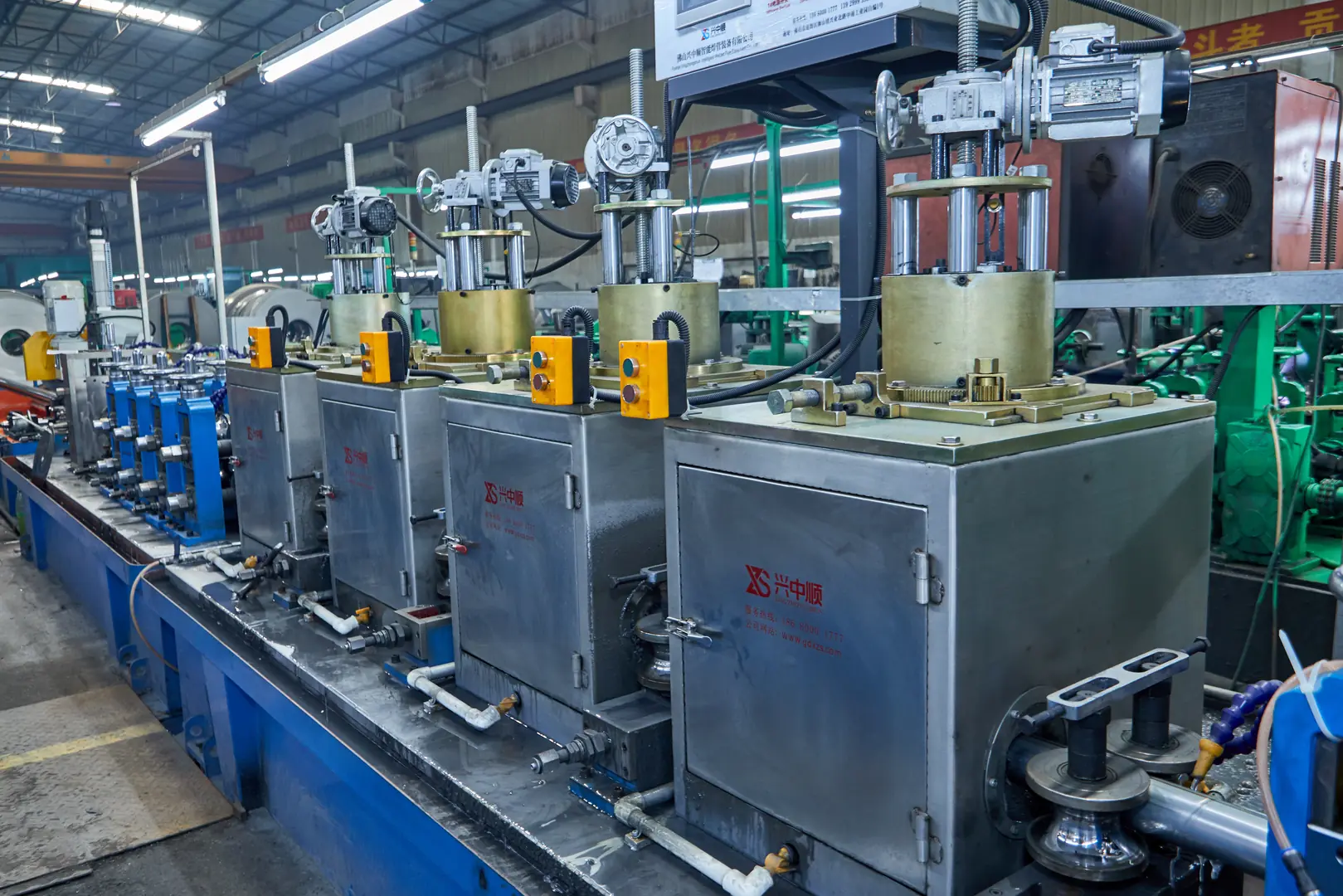
Over the years, I've found that 90% of issues fall into a few common categories. The good news is that our machine's smart PLC diagnostics can often guide you directly to the source of the problem, saving you hours of guesswork. Instead of just showing a generic fault, it will often suggest the specific component or parameter to check. This is a key part of what makes our machine "smart." Here’s a quick troubleshooting guide based on the most frequent questions I receive from clients.
| Common Issue | Most Likely Cause(s) | My Recommended Solution |
|---|---|---|
| Poor or Inconsistent Weld Seam | 1. Incorrect welding power/frequency. 2. Worn or damaged inductor coil. 3. Impeller coolant flow is low. |
1. Adjust parameters on the PLC. 2. Inspect the coil and replace if you see arcing or damage. 3. Check the coolant pump and filters. |
| Pipe Diameter is Out of Tolerance | 1. Incorrect roller pressure. 2. Worn sizing rollers. |
1. Make fine adjustments to the sizing stands. 2. Measure rollers and replace the set if they are worn beyond tolerance. |
| Scratches on Pipe Surface | 1. Metal debris on rollers. 2. Misaligned guide plates. |
1. Stop the line and thoroughly clean all rollers. 2. Check and realign any guides that are making hard contact with the pipe. |
Conclusion
The XZS Smart Precision Pipe Making Machine is more than just hardware; it's a comprehensive solution for modern manufacturing. By mastering its setup, operation, and maintenance, you can consistently achieve the ≤±0.05mm precision that today's high-tech industries demand, ensuring your business remains competitive and profitable.
 English
  Русский